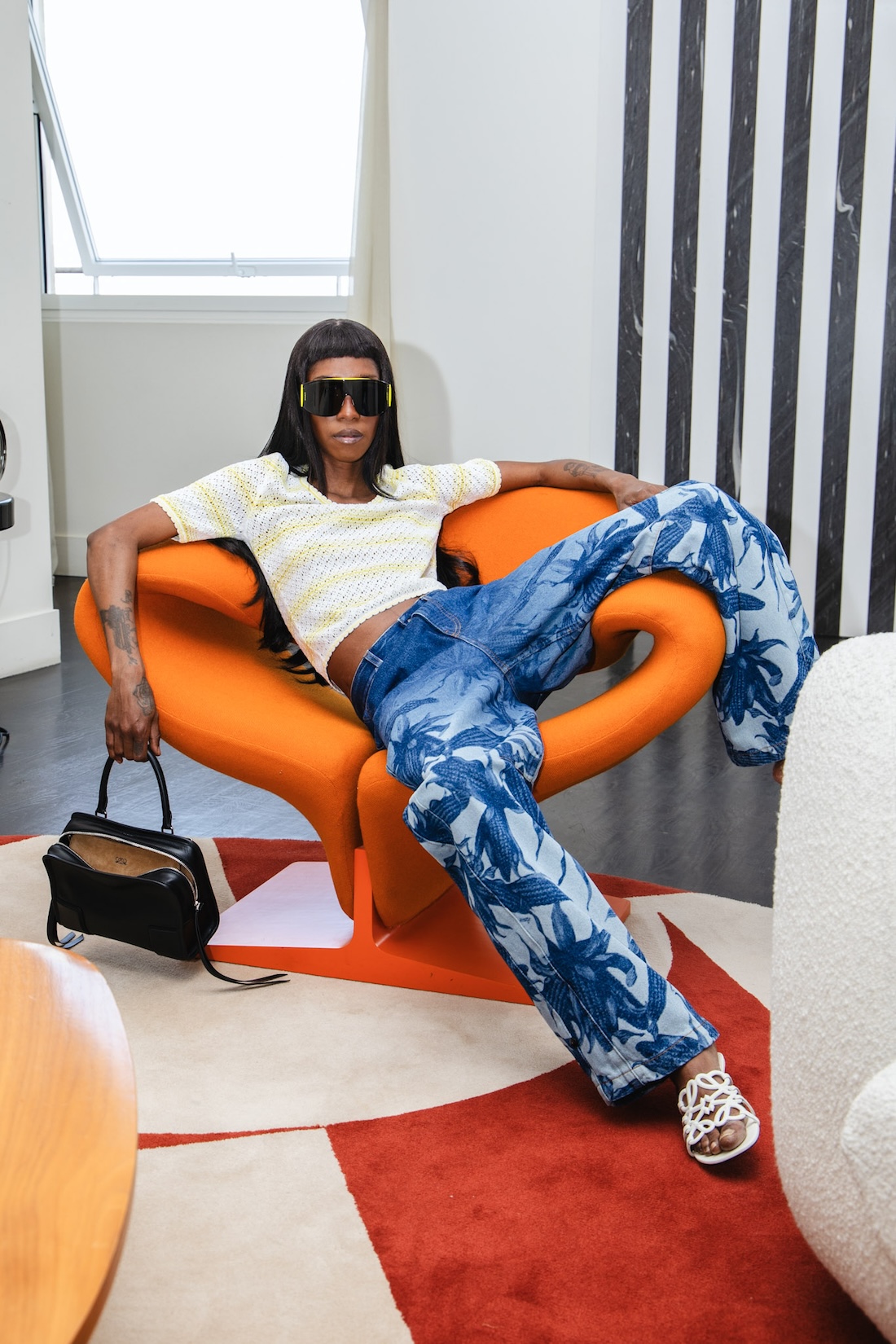
For decades, modelling has been associated with specific measurements, a particular height and strict physical standards. Today, however, the industry is facing a shift in the way beauty is represented.
A greater diversity of body shapes, distinctive facial features and individual personalities are gradually gaining visibility in an industry historically known for its demanding requirements. But are these changes enough to constitute a genuine revolution? Can models still access the runway if they do not fit the criteria traditionally favoured by agencies and fashion houses?
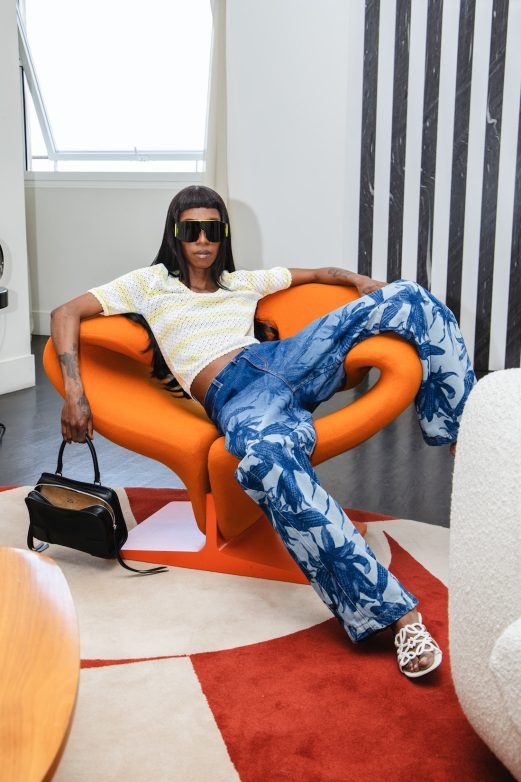
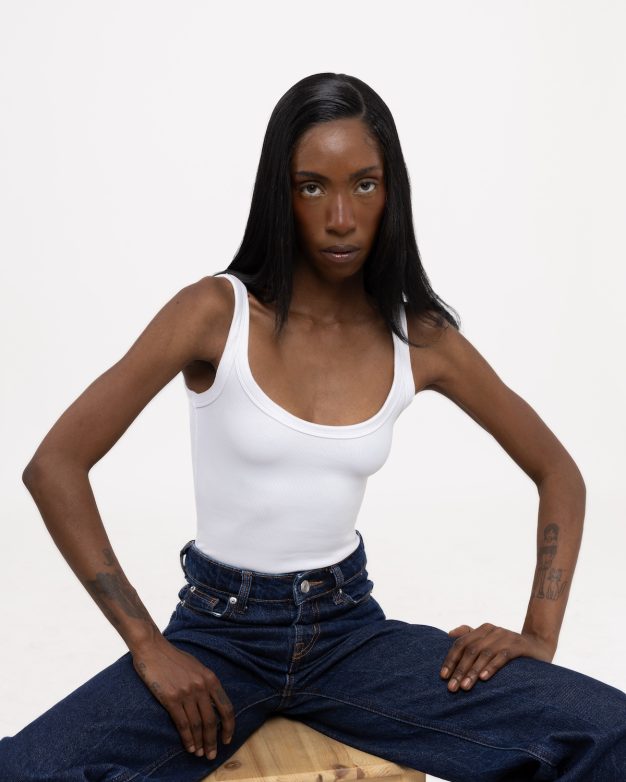
In this new episode of Inside Kodd, we speak to Keysha, a model known on social media as Simple Keysha. Standing at 1.71 metres tall, she shares her perspective on an evolving industry and the reality of a journey shaped by rejection, but also by perseverance.
Modelling and its traditional standards
For decades, the fashion modelling industry has favoured slender silhouettes, specific proportions and relatively uniform physical characteristics. In high fashion, height has been an important selection criterion, contributing to greater visibility for certain profiles over others.
However, expectations vary across different sectors. Editorial modelling, runway shows, commercial advertising and ready to wear do not necessarily recruit models according to the same criteria.
Body diversity and the representation of different profiles have become more visible, but recruitment practices are not evolving at the same pace. Traditional standards continue to influence certain professional opportunities, even as the industry increasingly embraces inclusivity in its public messaging.
The question is therefore not simply whether the criteria have changed, but also who can genuinely access the opportunities that these changes are supposed to create.
Standing at 1.71 metres and finding a place in the industry
At 1.71 metres tall, Keysha raises an important question about the requirements of the modelling industry. When certain runway shows favour models who meet specific criteria, every application can become a test of patience and self confidence.
Since beginning her career, she has faced several rejections. This experience raises an essential question: how do you continue to believe in your potential when doors repeatedly close in front of you?
In an industry where selection depends on numerous factors, rejection does not necessarily represent a definitive judgement on a model’s beauty, talent or ability. It may also reflect a collection’s creative vision, the specific requirements of a casting or the choices made by a creative director.
Learning to distinguish between these factors makes it possible to pursue a career without allowing professional decisions to determine one’s sense of worth.
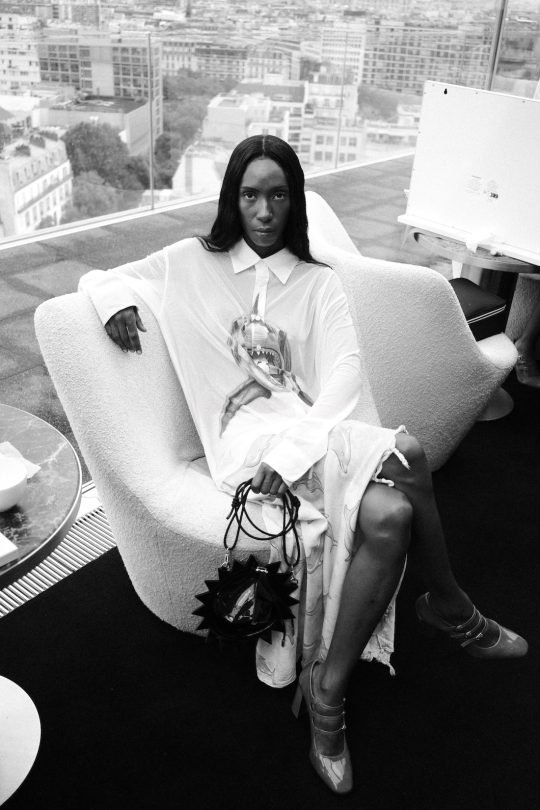
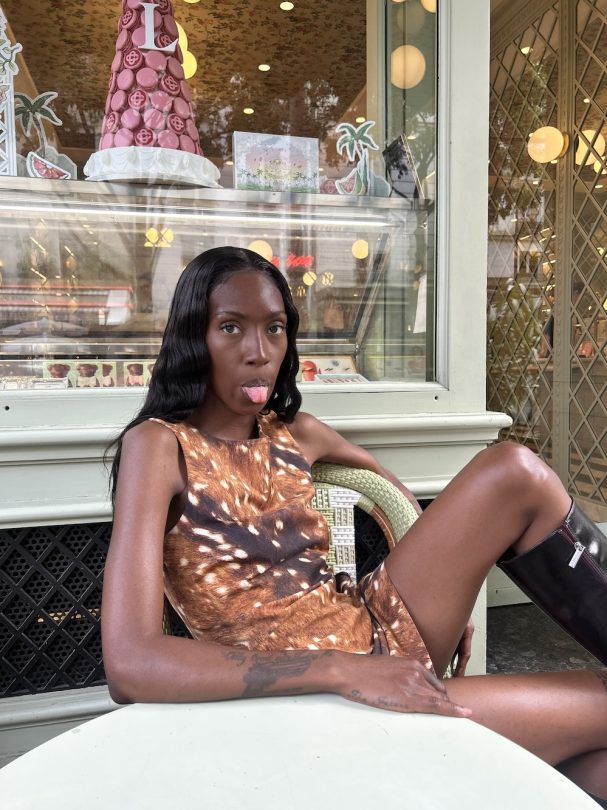
From repeated rejection to a first runway show during Paris Fashion Week
Between the recording of this episode in September and its release in October, Keysha reached an important milestone in her career: she made her runway debut for Maison J Simone during October’s Paris Fashion Week.
This experience adds a new dimension to our conversation. After facing several rejections since the beginning of her modelling journey, she finally secured an opportunity to walk a Parisian runway.
This first runway show does not mean that the obstacles have disappeared or that the industry has abandoned its traditional standards. Nevertheless, it demonstrates that a career cannot be defined solely by rejection and that opportunities can arise after a period of waiting.
Keysha’s achievement also invites us to reflect on the place given to models who do not always fit the most common industry criteria. Beyond measurements, personality, walk, presence and the ability to embody a creative vision can all help make a difference.
Can beauty finally move beyond measurements?
Beauty standards in modelling are evolving, but this transformation remains gradual and uneven. Although diversity is becoming more visible, traditional requirements continue to influence certain castings and professional opportunities.
Keysha’s journey reminds us that rejection does not necessarily have to mark the end of an ambition. Her runway debut for Maison J Simone during October’s Paris Fashion Week represents an important milestone in a career built despite the obstacles.
In this episode of Inside Kodd, we explore with her the realities of the profession, the industry’s expectations and the role of perseverance in a world where appearance remains central to decision making.
Have beauty standards genuinely changed, or is the industry simply learning to broaden its perspective?










Follow us on Instagram