In the luxury industry, appointing an artistic director goes far beyond simply choosing a designer. It can redefine a fashion house’s identity, renew its image and have a lasting impact on its desirability among consumers.
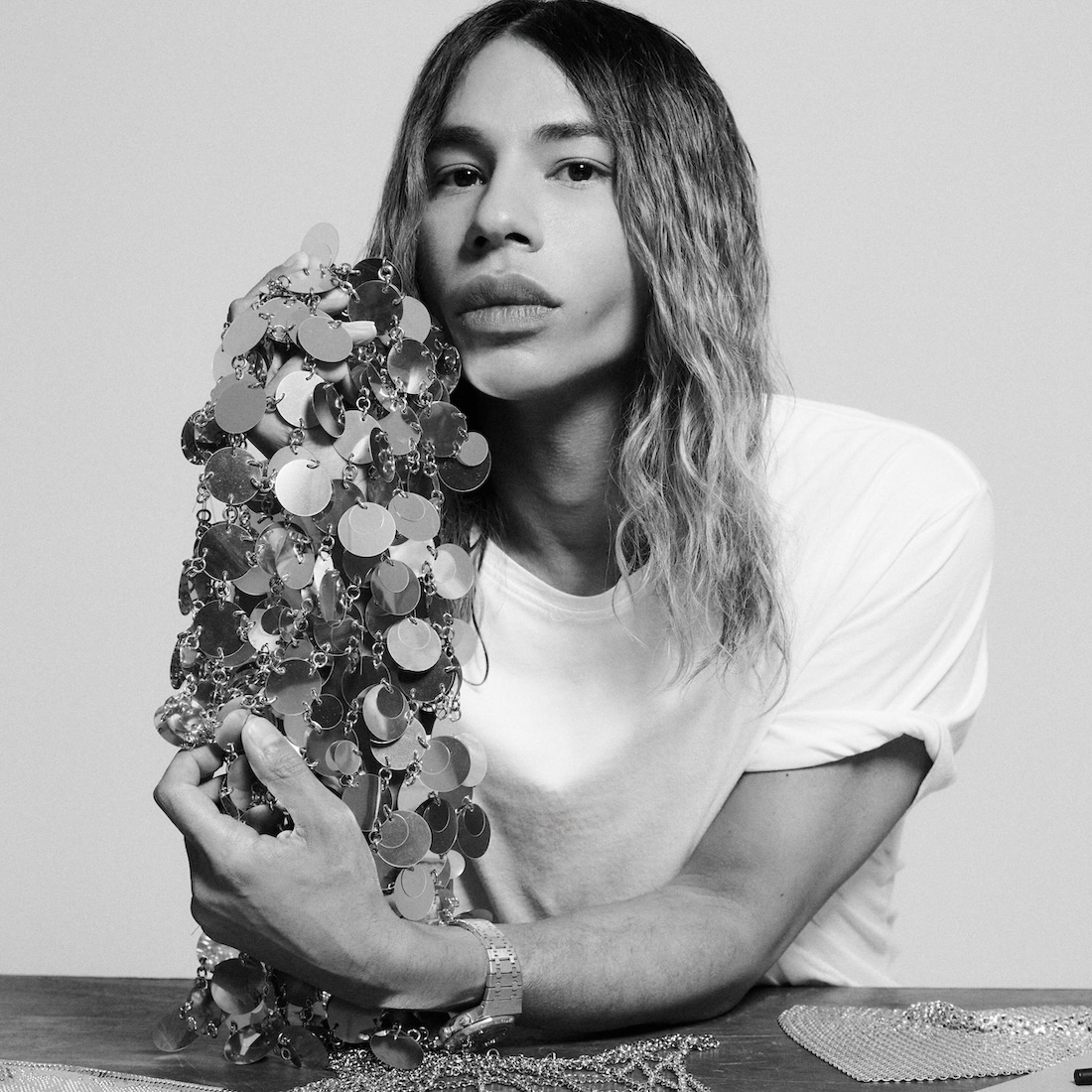
Since 2025, major luxury houses have made a growing number of changes at the helm, reshaping the creative landscape. Among the most notable appointments, Olivier Rousteing at Rabanne reflects the desire to entrust historic houses to personalities capable of bringing together heritage and modernity.
A new generation of creative visions
The choice of an artistic director now depends as much on their personal creative universe as on their ability to tell a coherent story around a fashion house. Olivier Rousteing is a particularly strong example. After fourteen years as Balmain’s artistic director, the designer was appointed at Rabanne in July 2026, succeeding Julien Dossena after thirteen years at the helm of the house. His arrival is set to open a new chapter for Rabanne, whose identity is rooted in experimentation, innovative materials and an avant garde approach to fashion. His first show is expected in March 2027.
This approach to renewal can also be seen at Dior. In June 2025, Jonathan Anderson was appointed the house’s sole artistic director, overseeing the men’s, women’s and haute couture collections. After more than a decade at Loewe, the British designer brings a fresh interpretation of Dior’s heritage, drawing on his extensive experience in the luxury industry.
Between heritage, strategy and reinvention
These appointments also respond to strategic challenges. A luxury house is not simply choosing an aesthetic signature. It is selecting a personality capable of evolving its codes without erasing them. In February 2026, Pieter Mulier was appointed Chief Creative Officer of Versace, taking up the role on 1 July. His experience at Alaïa, Calvin Klein, Jil Sander and Dior provides a strong foundation for Versace as it enters a new chapter under the ownership of Prada Group.
Another significant appointment came with Maria Grazia Chiuri, who joined Fendi in October 2025. Her return to the house where she began her career represents a different approach, one rooted in memory, craftsmanship and continuity.
Reinventing without losing identity
Between 2025 and 2026, luxury houses have demonstrated that the artistic director has become a key strategic figure. Olivier Rousteing at Rabanne, Jonathan Anderson at Dior, Pieter Mulier at Versace and Maria Grazia Chiuri at Fendi each embody a different way of bringing heritage into dialogue with contemporary creativity. In a market where attention has become as valuable as the product itself, choosing the right creative vision ultimately means choosing the next chapter in a fashion house’s story.






Follow us on Instagram