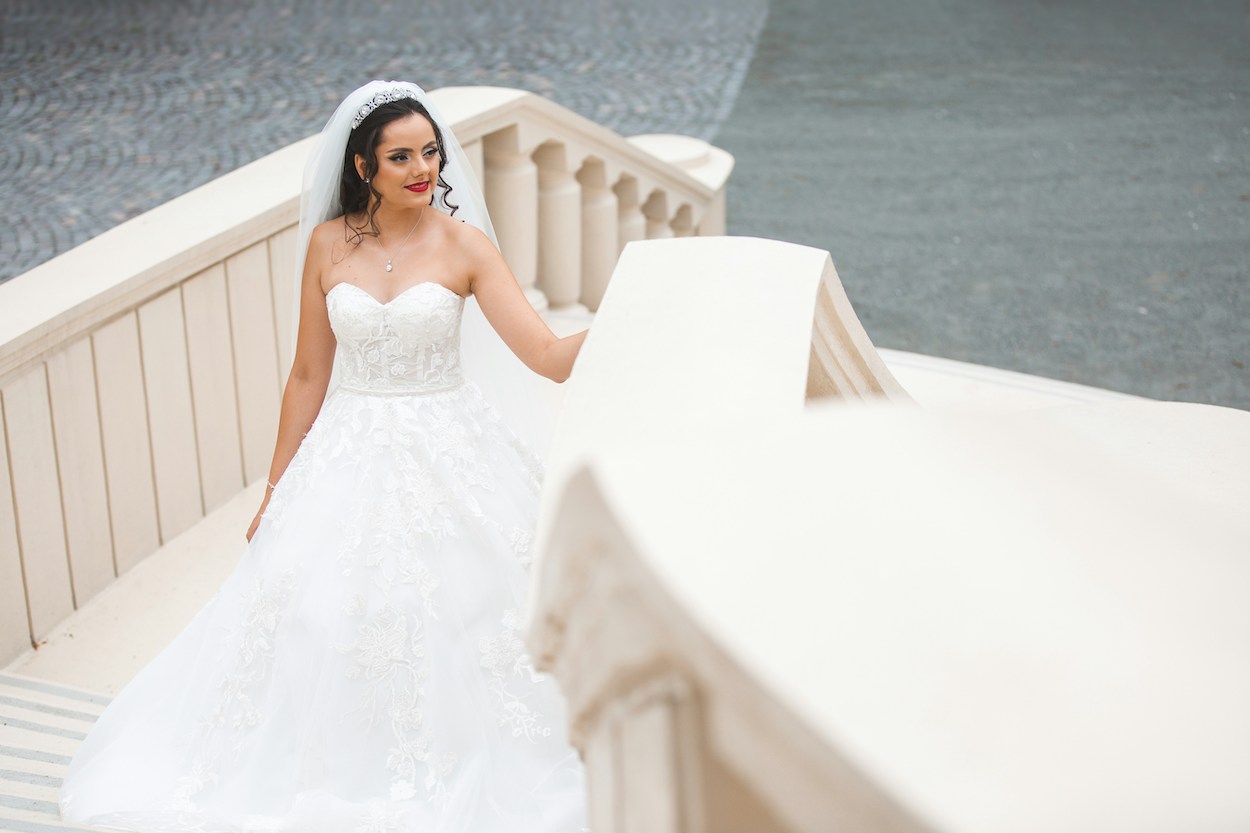
Today, it is hard to imagine a bride without a white dress. Yet, this color is neither universal nor timeless. Behind this tradition lies a story where power, fashion, and cultural influence intertwine.
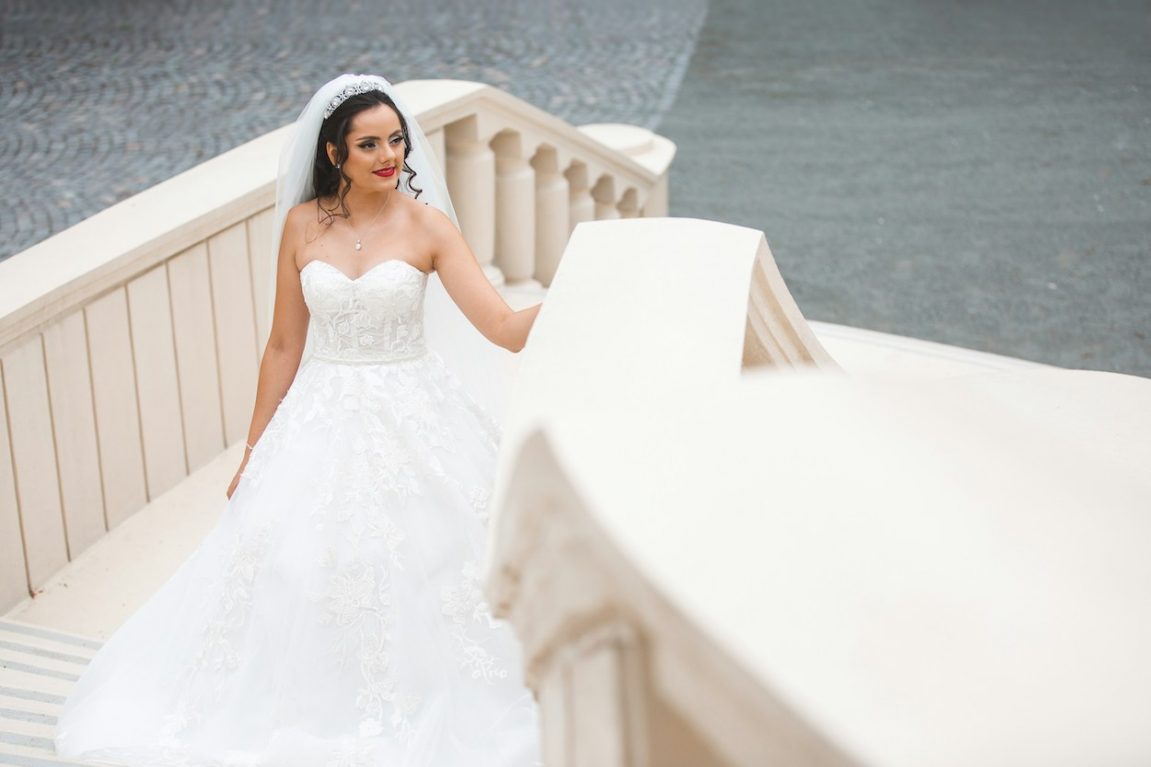
White is often associated with purity, elegance, or even romance. Yet, these associations are relatively recent. For centuries, brides-to-be wore the finest dress they owned, regardless of its color. If this color gradually established itself in the collective imagination, it was less for religious reasons than thanks to an event that would have a lasting influence on Western fashion.
A trend started by a queen
Contrary to popular belief, the white wedding dress does not date back to the origins of marriage ceremonies. Until the 19th century, women married in blue, red, green, or even gold outfits, depending on their means, traditions, or the fashions of the time. Above all, a wedding dress had to be suitable for wearing again on other occasions.
The real turning point came in 1840, when Queen Victoria married Prince Albert wearing a white satin gown. The event, widely covered by the illustrated press of the day, made a lasting impression. European elites soon adopted this look, and the trend subsequently spread more widely. Gradually, this color ceased to be merely a color and became the symbol of marriage itself.
A symbol that continues to evolve
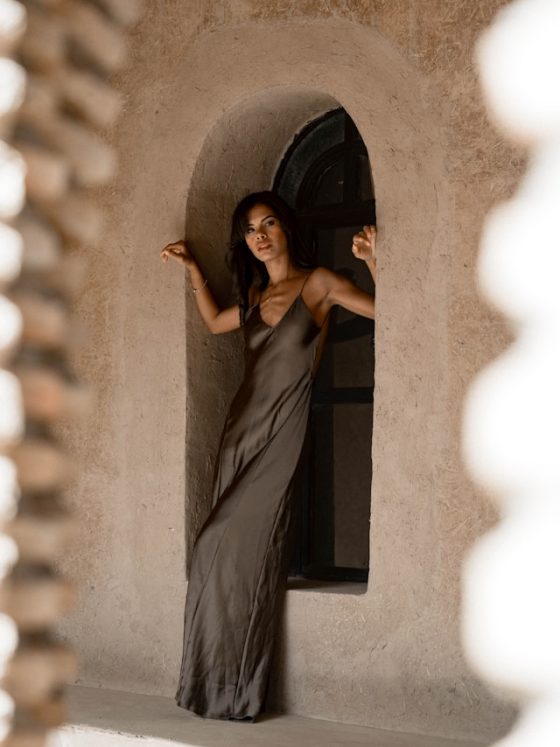
Over time, the white dress has taken on a multitude of meanings. While long associated with purity, today it evokes tradition, celebration, or an aesthetic choice. Indeed, designers no longer hesitate to reinvent this classic by playing with shades of ivory, champagne, or cream, while some brides opt for colored dresses, suits, or more contemporary ensembles.
This evolution reflects a broader shift in our approach to wedding. Conventions are becoming more flexible, allowing greater scope for personal expression. While white remains a strong standard, it is no longer mandatory. Ultimately, what once seemed like an immutable tradition is, in fact, the result of a trend that emerged less than two centuries ago—proof that even the symbols most deeply ingrained in our customs are often the product of history and fashion.















Follow us on Instagram