For a long time, impeccable clothing epitomized elegance. Today, however, faded, wrinkled, or intentionally worn-in pieces are increasingly appealing. Imperfection is no longer a flaw to be corrected; it has become a mark of character.
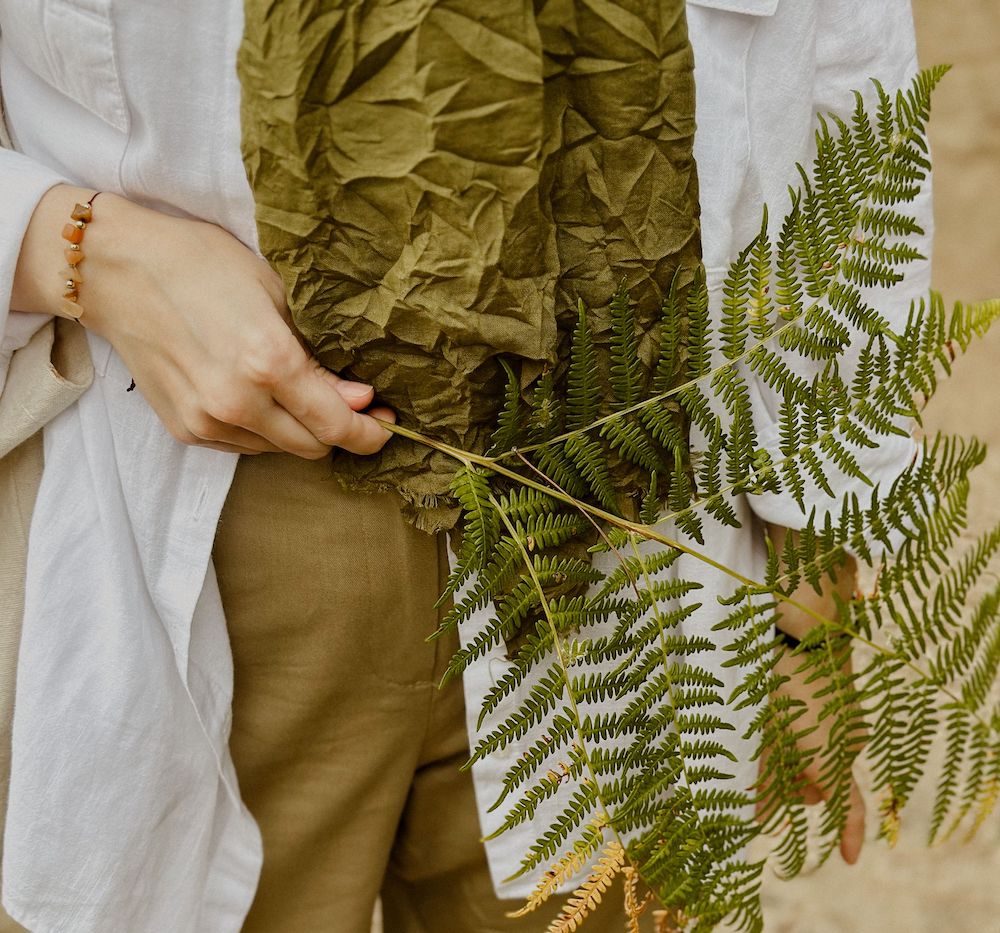
Ripped jeans, distressed jackets, and intentionally scuffed sneakers are no longer the exception. These finishes—once associated with wear and tear—now play a central role in the collections of many brands. This shift reflects a deeper evolution: the way we perceive clothing and the stories it tells has changed.
An imperfect garment already seems to have a story
Signs of wear give a garment the impression of having a history before it is even worn. Faded denim, patinated leather, or exposed stitching evoke a past, a personality, or a lifestyle. Even when crafted in a workshop, these imperfections lend a more human dimension to mass-produced pieces.
This quest for authenticity also reflects a weariness with overly polished or standardized clothing. In a market where collections can sometimes look alike, irregular finishes create a sense of uniqueness. They give the garment an identity, as if it already possessed its own story.
Imperfection has become a marker of authenticity
This aesthetic reflects a broader trend that extends beyond fashion. Artisanal objects, natural materials, and creations that embrace their irregularities are increasingly appealing. They offer a counterpoint to an era still largely dominated by retouched images and perfectly calibrated products.
In fashion, this shift translates into a new definition of beauty. Elegance no longer relies solely on flawless lines or finishes, but also on a garment’s ability to convey emotion, uniqueness, or a sense of lived experience. Imperfection thus becomes an aesthetic language in its own right.
Ultimately, the success of intentionally imperfect clothing reveals a deeper aspiration: the desire to rediscover authenticity in the items we wear every day. Through irregular stitching, a weathered finish, or faded fabric, fashion now celebrates what was once considered something to be erased.









Follow us on Instagram