Some ordinary objects eventually become cultural symbols. Through design, media, and social usage, an everyday accessory can gradually rise to iconic status.

The ordinary at the heart of the extraordinary
We are surrounded by objects we use without even noticing them. A pair of glasses, a bag, a watch, or even a piece of clothing are an integral part of our daily lives. Yet some of these objects transcend their mere practical function to become true cultural icons. They span eras, inspire designers, and take root in the collective imagination.
This transformation is never a matter of chance. Behind every object that has become iconic lies a combination of factors that blend design, history, media exposure, and public embrace. Over time, these elements help transform an ordinary object into a symbol recognized far beyond its original purpose.
In many fields, brands seek to create products capable of defining their era. But only certain creations manage to transcend their commercial status to enter popular culture. They then become witnesses of their time and sometimes even collector’s items.
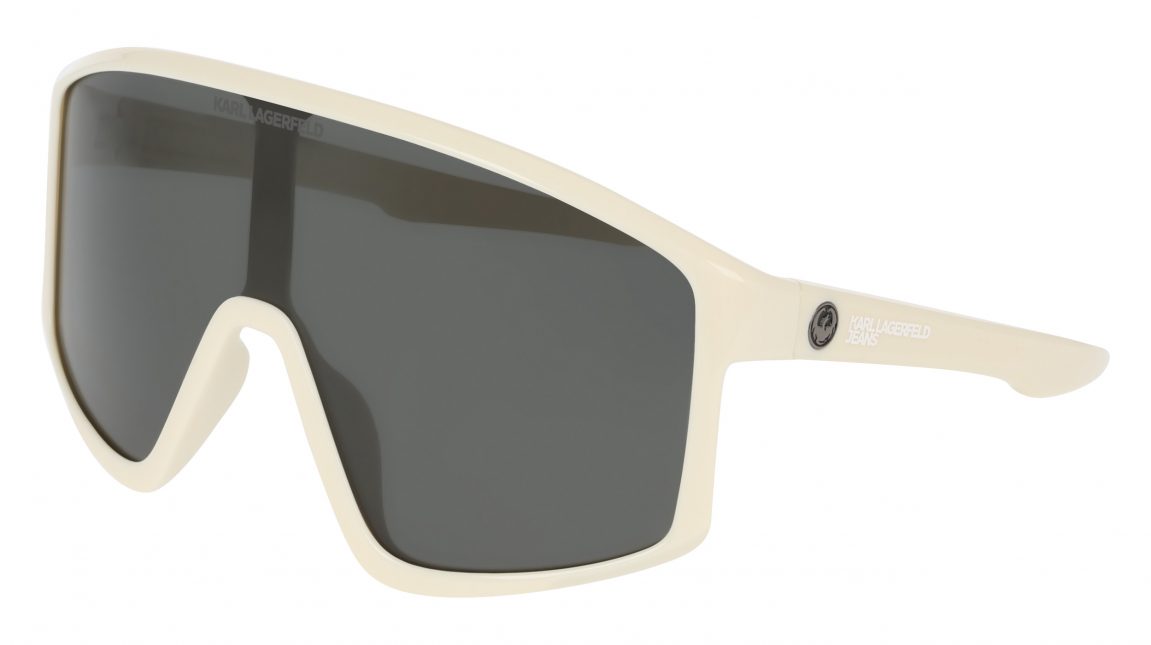
This logic is evident in certain contemporary collaborations, such as the one between KARL LAGERFELD JEANS and DRAGON centered on the Amped eyewear model. By reimagining an existing design through a new creative lens, this type of partnership helps draw attention to an everyday object and amplify its cultural impact among new audiences.
Design as a cultural signature
One of the key characteristics of an iconic object is its ability to be instantly recognized. A unique shape, a distinctive finish, or an original aesthetic allows a product to stand out from the competition. Design thus becomes a true signature. Objects that leave a lasting impression are often those that strike a balance between innovation and simplicity.
The influence of the media and public figures
The media plays a key role in establishing an object’s iconic status. Film, television, music, and social media all contribute to giving it exceptional visibility. When an accessory is associated with an influential public figure or a defining moment, it acquires a symbolic value that transcends its original function.
Celebrities, content creators, and artists also contribute to this dynamic. By adopting certain objects and incorporating them into their visual identity, they influence the public’s behaviors and preferences.
When the public embraces an object
No object becomes an icon without public acceptance. It is the users who give it true cultural significance by integrating it into their daily lives. They wear it, personalize it, pass it on, or ascribe a special meaning to it.
This collective appropriation gradually transforms a simple product into a cultural symbol. The object then becomes a marker of identity, a generational memory, or even a sign of belonging to a group. The more it is adopted and reinterpreted, the greater its cultural influence becomes.
Objects that tell the story of our era
If certain objects become icons, it is because they reflect the cultural transformations of their time. They embody the tastes, innovations, and aspirations of a society at a given moment. Their success rests as much on their utility as on their ability to evoke an emotion or convey an identity.
Whether it’s a fashion accessory, a technological device, or a decorative item, the transition from the everyday to the iconic occurs when the object manages to establish a lasting place in the collective memory. More than just a product, it then becomes a cultural symbol in its own right.


















Follow us on Instagram