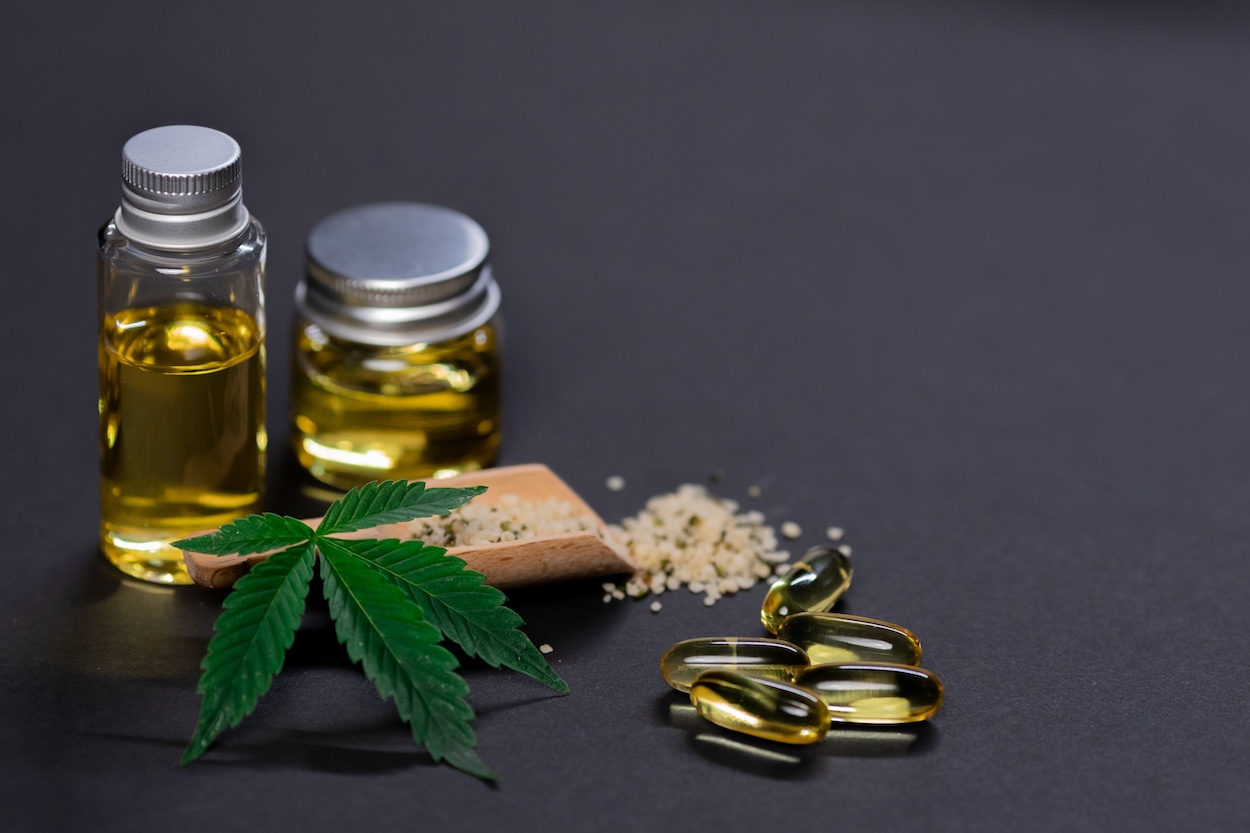
Hemp oil placed next to herbal teas, a soothing cream in the beauty aisle, a sachet of flowers at the local tobacconist—cannabidiol (CBD) has quietly established itself within the wellness landscape. Yet, beneath this apparent normalization, the legality and safety of these products hinge on specific criteria.
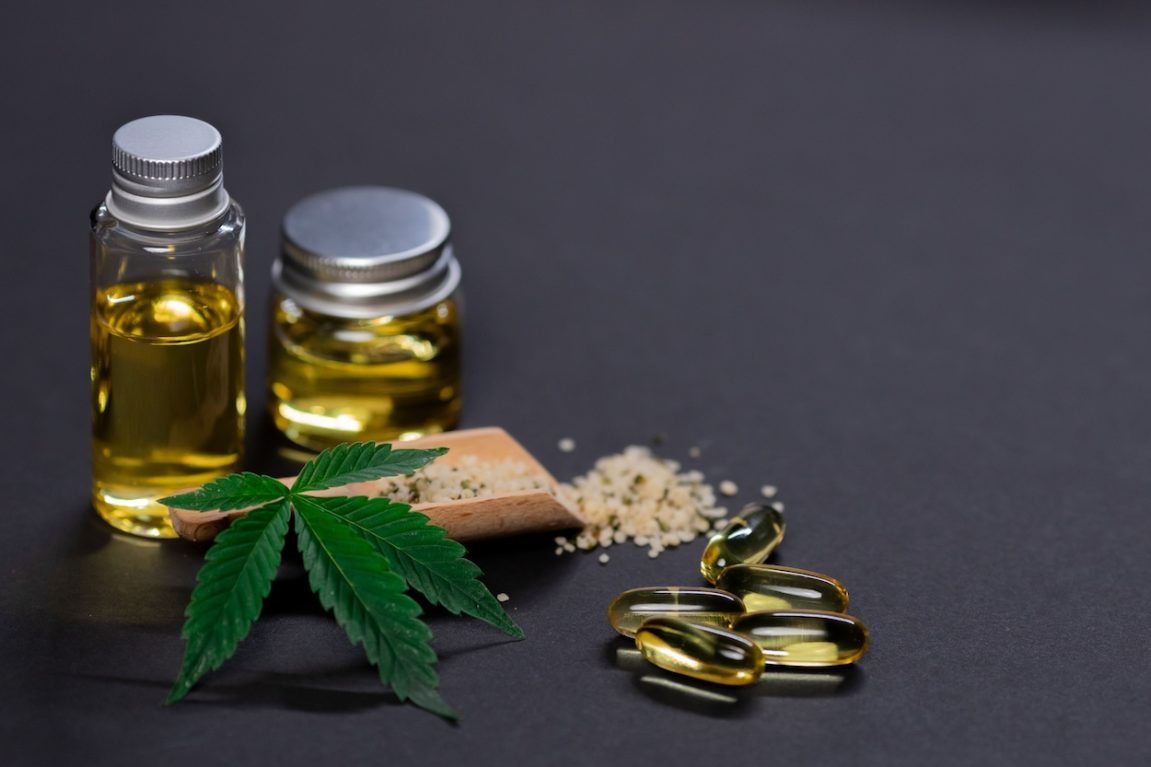
CBD, or cannabidiol, is a compound found naturally in hemp. It is distinct from THC, the molecule responsible for the psychotropic effects of cannabis. Its commercialization has given rise to a thriving market that appeals to those seeking new wellness routines. However, not all products sold under this label are equal. To separate the good from the bad, look past the marketing promises and examine each product’s composition, traceability, and category.
Criteria for choosing CBD products that comply with regulations
Before finalizing a CBD purchase—whether online or in a store—check the product’s exact composition and the information provided by the seller. The label must list the ingredients, the stated quantity of cannabidiol, and the identity of the manufacturer or the party responsible for bringing the product to market. If the product information is incomplete—lacking details on dosage or contact information—you should put the item back on the shelf.
Also, be wary of therapeutic claims. A CBD product sold outside of the pharmaceutical channel is not permitted to be marketed as a remedy for anxiety or pain. Such promises often indicate an unscrupulous seller, or one who is simply ill-informed about their own legal obligations.
Finally, consider the product category. An oil intended for ingestion, a skin balm, and a vaping liquid are subject to different regulations. Therefore, a product authorized in one category is not automatically permitted in another.
THC levels, hemp varieties, and the European legislative framework
In France, a 0.3% THC threshold applies to cultivated hemp and products derived from it. This limit aligns with the standard adopted under the European Common Agricultural Policy as of 2023. However, this does not constitute a blanket authorization to market any and all cannabidiol (CBD) preparations.
The specific variety of hemp also matters. Only those listed in the European Union’s common catalogue of varieties of agricultural plant species may be cultivated and used for commercial purposes. A reputable producer should therefore be able to identify the variety used—much like a winemaker specifies the grape variety.
At the European level, the Court of Justice of the European Union issued a ruling in 2020 in the *Kanavape* case. It determined that CBD is not to be classified as a narcotic, and that a member state cannot prohibit CBD products that have been legally manufactured elsewhere in the Union—unless there are sound and proportionate public health grounds for doing so.
Furthermore, each specific use is governed by its own set of regulations. CBD-infused creams, serums, and other cosmetics fall under European regulations for beauty products, while ingestible items like oils and gummies are subject to the regulations on “novel foods.” To date, there is no general market authorization for such products within the European Union. Consequently, any oil sold as a dietary supplement warrants careful scrutiny.
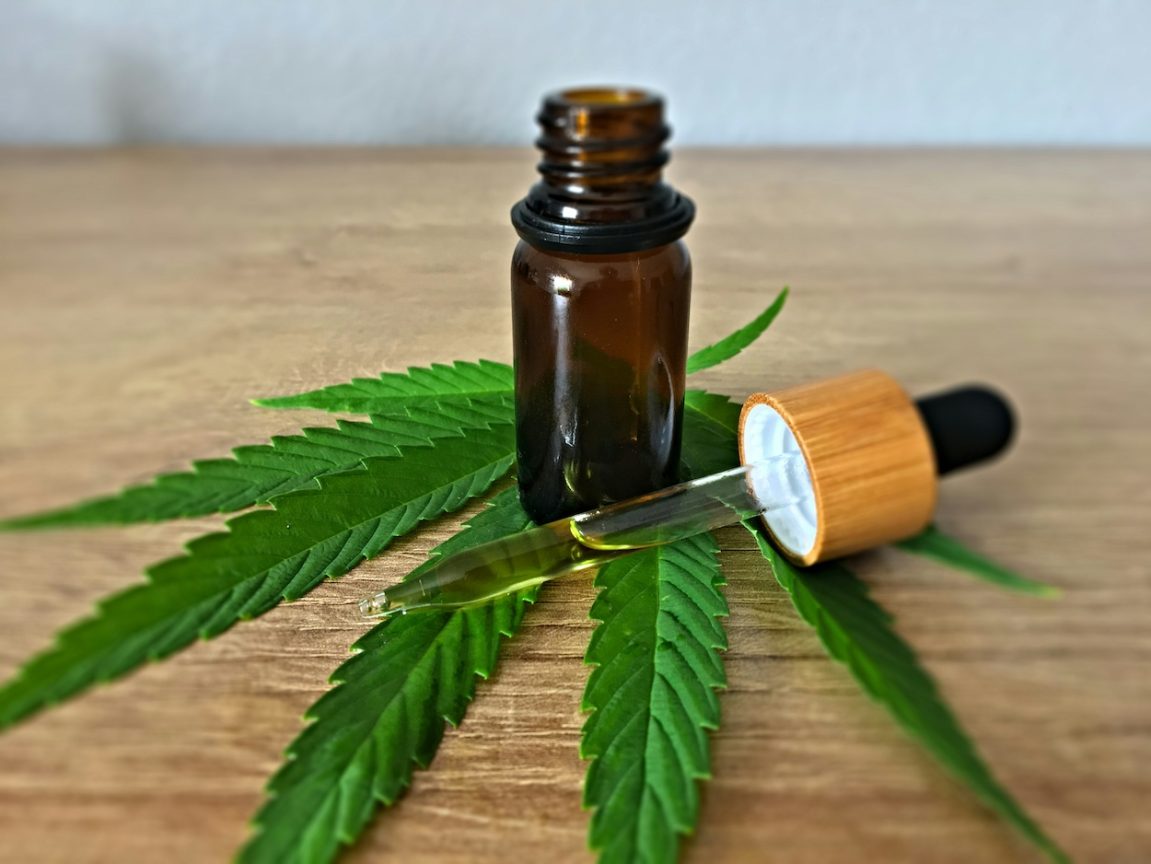
How can the traceability and compliance of a cannabidiol product be verified?
A certificate of analysis is your best ally. It should be recent and issued by an independent laboratory, detailing the cannabinoids present as well as any traces of THC. Compare these results against the information on the product label, and ensure that the batch number matches the product you are holding. While this document alone does not guarantee the overall compliance of the product, it does provide a valuable level of transparency.
Be wary of products marketed as “highly potent” or “enriched” with obscurely named cannabinoids. In October 2025, French customs authorities issued a warning regarding products sold as CBD that may actually contain dangerous synthetic substances. A reassuring name is never a guarantee of a reliable composition.
“Legal” does not mean “risk-free.” CBD can cause adverse effects and may interact with certain medications; it is therefore advisable to consult your doctor or pharmacist. Health authorities advise against its use during pregnancy and breastfeeding. Exercise extra caution when driving, as some products contain traces of THC, which can impair your reflexes and lead to a positive result on a drug test.
When choosing a CBD product, consider several factors together. A verifiable composition, transparent information, a clear regulatory category, and a careful review of usage precautions form the foundation for an informed purchase. Taking these steps will help you understand exactly what you are buying—going well beyond the claims displayed on the packaging!















Follow us on Instagram