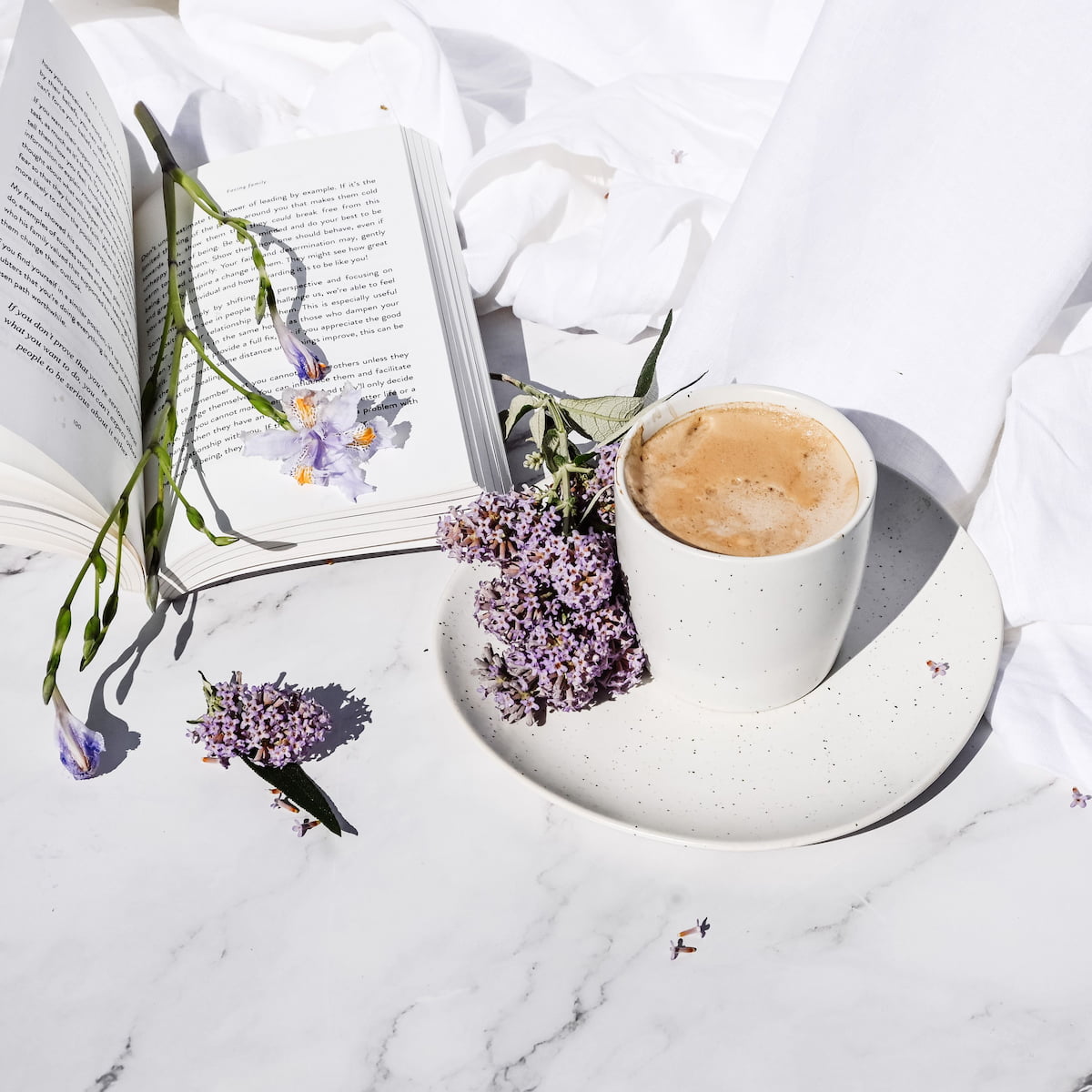
A coffee enjoyed on a balcony, freshly baked bread, ten minutes without a screen. These moments may seem ordinary, yet they take on enormous significance in days filled with messages, rising prices and endless choices.
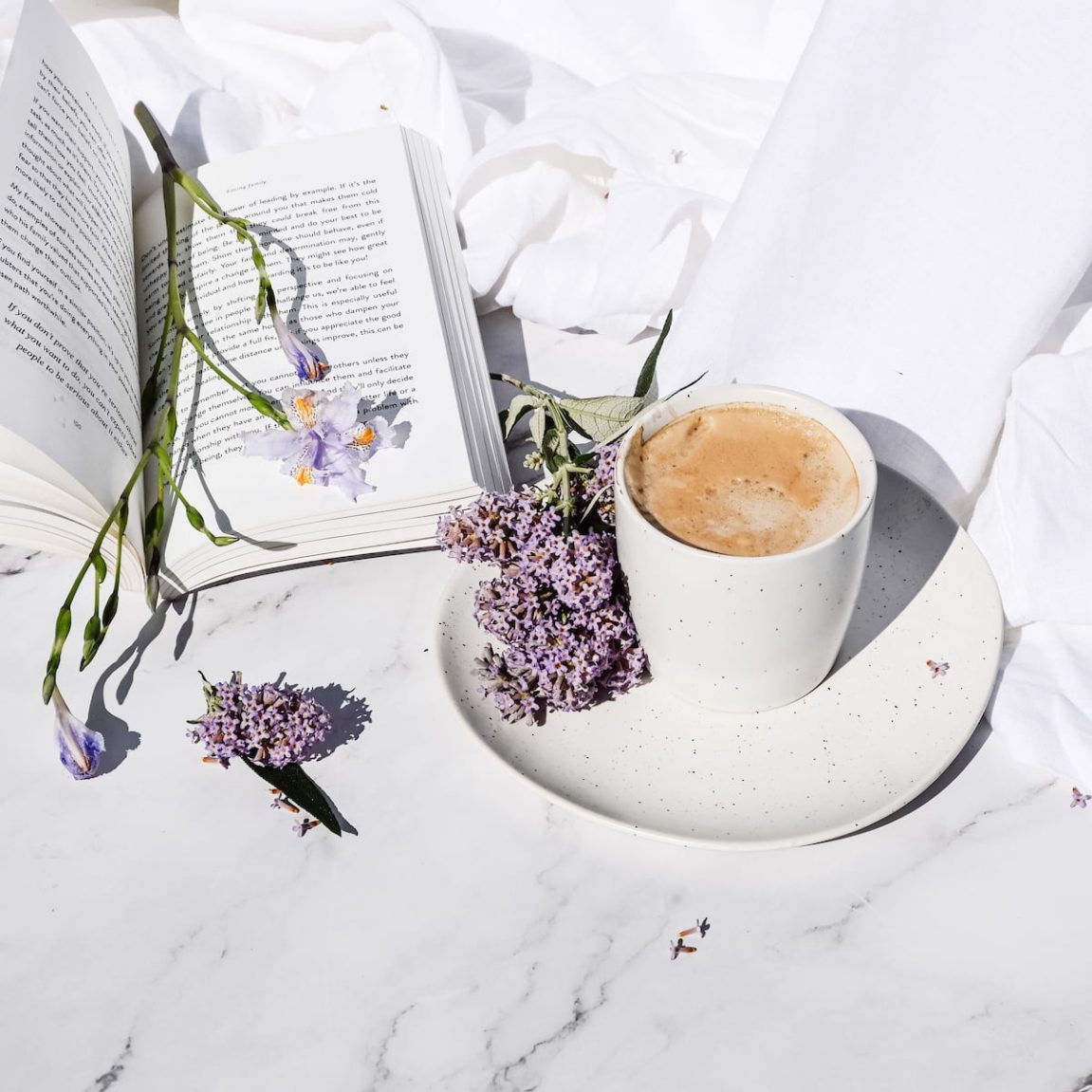
Simple pleasures have a clear advantage: they require very little, yet offer an immediate reward. After a demanding meeting or a crowded commute, this small moment of enjoyment can sometimes have a greater impact than an expensive purchase because it arrives at just the right time.
To make an informed choice without unnecessary stress, some people compare Swiss casinos before selecting an authorised online casino in Switzerland from among reliable local websites, just as they might check the label on a bottle of wine before dinner. This habit reveals something important. Even leisure activities are now associated with the search for calm, clear guidelines and sensible limits. Sometimes, one sentence is enough.
In the same vein, Luxembourg gaming enthusiasts look at online casinos in Luxembourg in terms of local regulations, because peace of mind matters just as much as the potential winnings.
The brain seeks a manageable break
A simple pleasure interrupts the noise without requiring a plan. A twelve minute walk, a phone call to a sister, a soup made with three vegetables: the brain receives a clear, finite and almost tangible signal. It is brief. This brevity is reassuring, particularly when tasks remain unfinished throughout the day, alongside open tabs, notifications and unanswered messages.
Psychologists use the term cognitive load to describe the mental effort involved in processing information and making decisions. The term may sound clinical, but everyone knows the feeling of standing in a supermarket aisle faced with twenty different types of yoghurt. A cup of tea chosen without hesitation can therefore become a source of relief. It brings a decision to a close.
Less spending, more presence
Cost plays a straightforward role. A concert ticket costing €90 or an impromptu weekend away can put considerable pressure on a household trying to keep heating bills under control. By comparison, sitting in the sunshine with a clementine can feel almost luxurious. It is a curious kind of luxury.
This is not about settling for less. It is about regaining control in an economy that encourages people to spend money to feel alive. Someone who cooks lentils with thyme and then eats slowly gains something that a takeaway delivered in minutes does not always provide : the pleasure of having invested time in the experience. Even a notebook used to record three successful meals can reduce the urge to keep buying things. It reminds us of what we already have in the kitchen, right in front of us.
Nostalgia makes the present feel more grounded
Simple pleasures often carry precise memories: a grandmother’s jam, the smell of tarmac after a rain shower, card games played on a scratched table. Nothing spectacular. Yet these details connect the present to a time when life seemed less frantic, even if memory has a way of making the past appear better than it really was.
A song heard in a kitchen can do more than a lengthy motivational speech. It brings the body back to a familiar scene. The shoulders relax. The world has not changed, but the person finds a sense of inner stability again, like returning to a familiar bench on an otherwise noisy street.
Screens wear down our desire for enjoyment
Scrolling provides small bursts of reward, but their effect quickly fades. One fifteen second video gives way to the next, then another, until enjoyment starts to feel like a habit that is difficult to break. The body remains still. Attention, meanwhile, becomes fragmented.
Against this backdrop, watering a plant or folding a bedsheet can feel almost radical. The action has a visible beginning and end. There is no need to compare. No hidden score to chase. This tangible quality helps explain why knitting, balcony gardening and homemade bread are becoming popular again in urban homes.
Social connections are built through small details
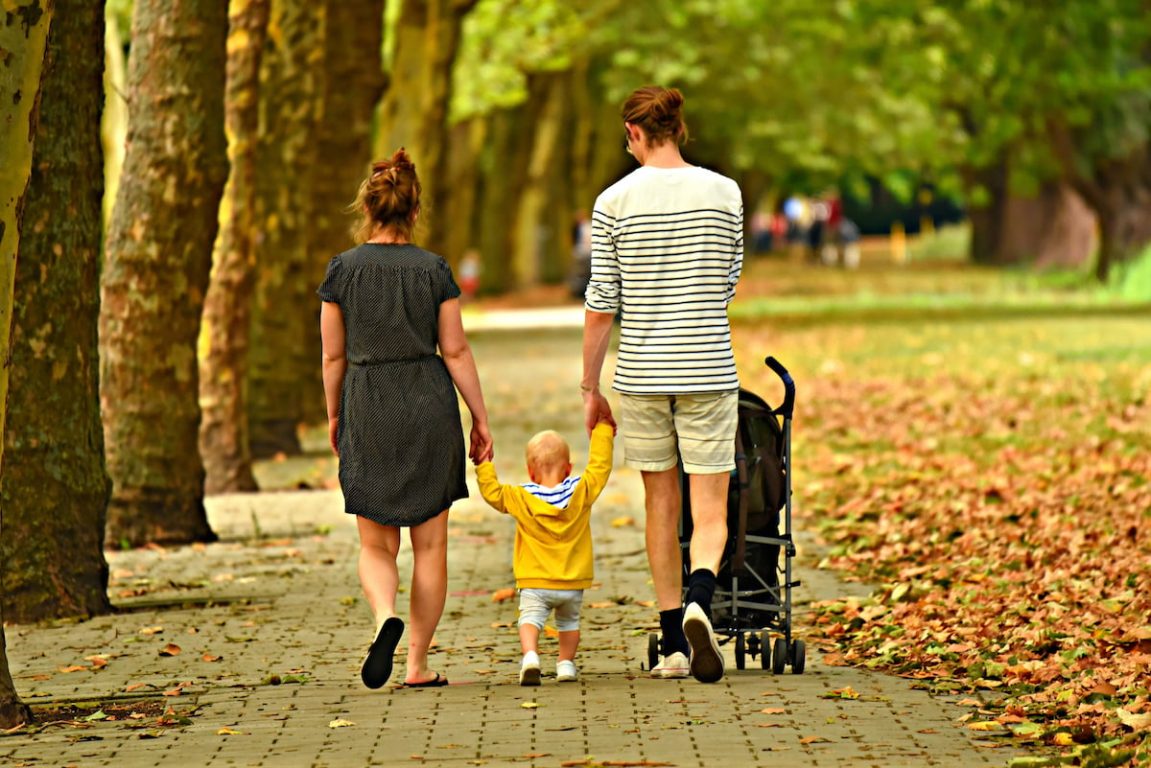
A simple pleasure becomes even more meaningful when shared. Two neighbours who exchange the same greeting every morning create a small but reassuring sense of stability. A father who cuts apples for his child after school creates a memory without needing to make a speech. It is subtle.
Major events leave a strong impression, then pass. Small rituals, by contrast, return on Tuesdays, Thursdays and Sundays. They show that someone has thought to make the coffee, save a seat or send a picture of the cat. In a modern life full of rearranged appointments, this consistency is invaluable.
Turning everyday moments into rituals
There is no need for an elaborate plan. The most effective approach is often to set aside a regular time: an 8.10 am walk, five pages of a book at 9 pm, or a Saturday morning trip to buy flowers for €4. A small commitment, repeated regularly.
Value then comes less from the object itself than from the attention devoted to it. Watching the foam on a coffee, feeling warm water on your hands or listening to the sounds of the street before checking messages will not solve everything. But these gestures make everyday life more manageable. The next attempt can begin tomorrow, with ten minutes deliberately set aside to do nothing in particular.














Follow us on Instagram