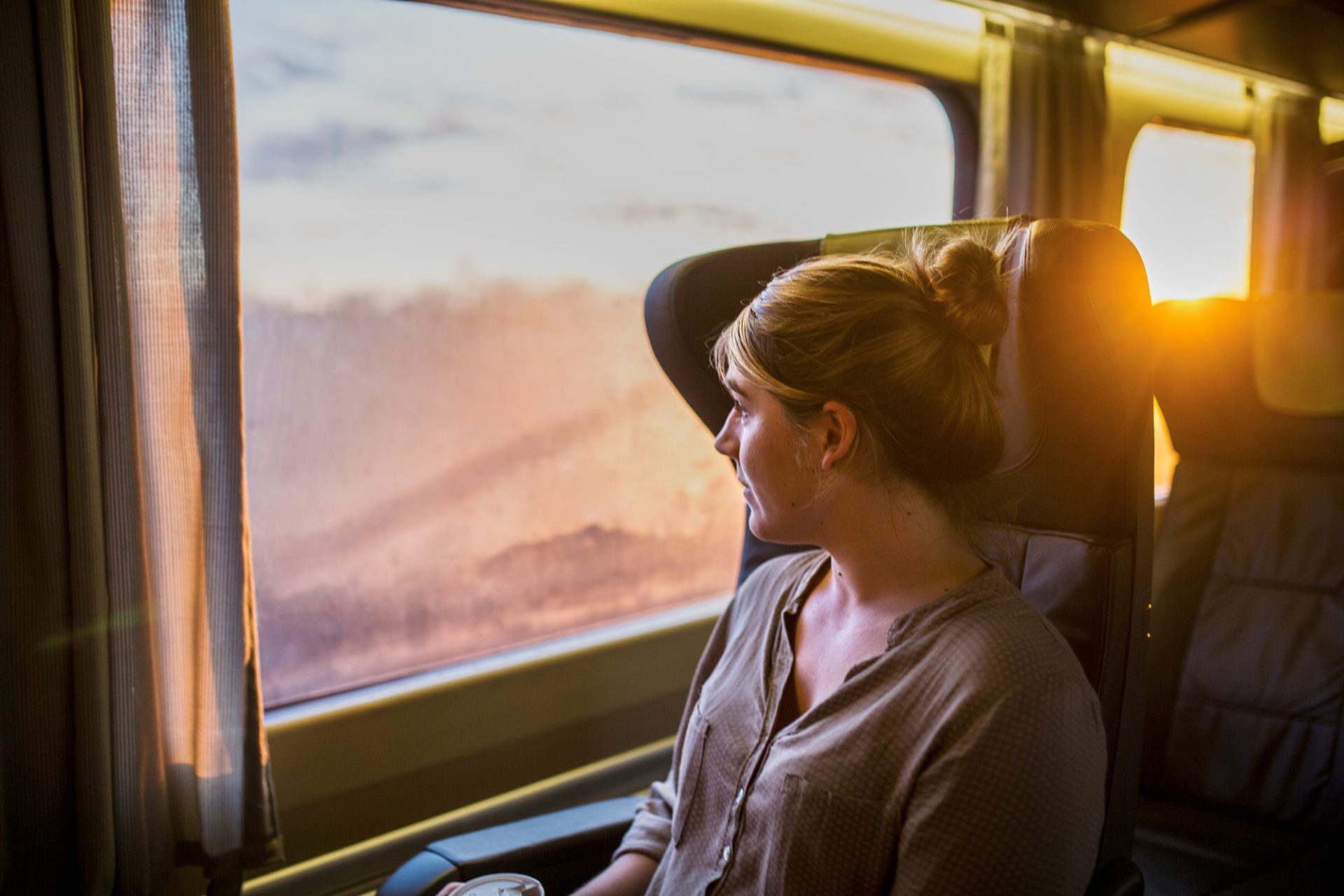
What if choosing the more sustainable way to travel did not mean choosing the slower one?
Train travel between Montréal, Ottawa and Québec City challenged one of the most persistent assumptions about responsible travel: that reducing our environmental impact necessarily comes with a sacrifice in comfort, convenience or time.
From Montréal, both Ottawa and Québec City are easily accessible by rail, with direct VIA Rail services connecting the cities. And the comparison with driving is more nuanced than it first appears.
Montréal to Ottawa takes around two hours by train, with VIA Rail listing an average journey of 2h04. Driving is roughly 2h10 before traffic is taken into account.
The question, then, is not simply why take the train if it takes longer. Sometimes, it doesn’t.
Montréal: The Train Travel Journey Starts at the Station
At Montréal’s Central Station, the experience begins before the train even leaves. Then, gradually, the city disappears behind the window.
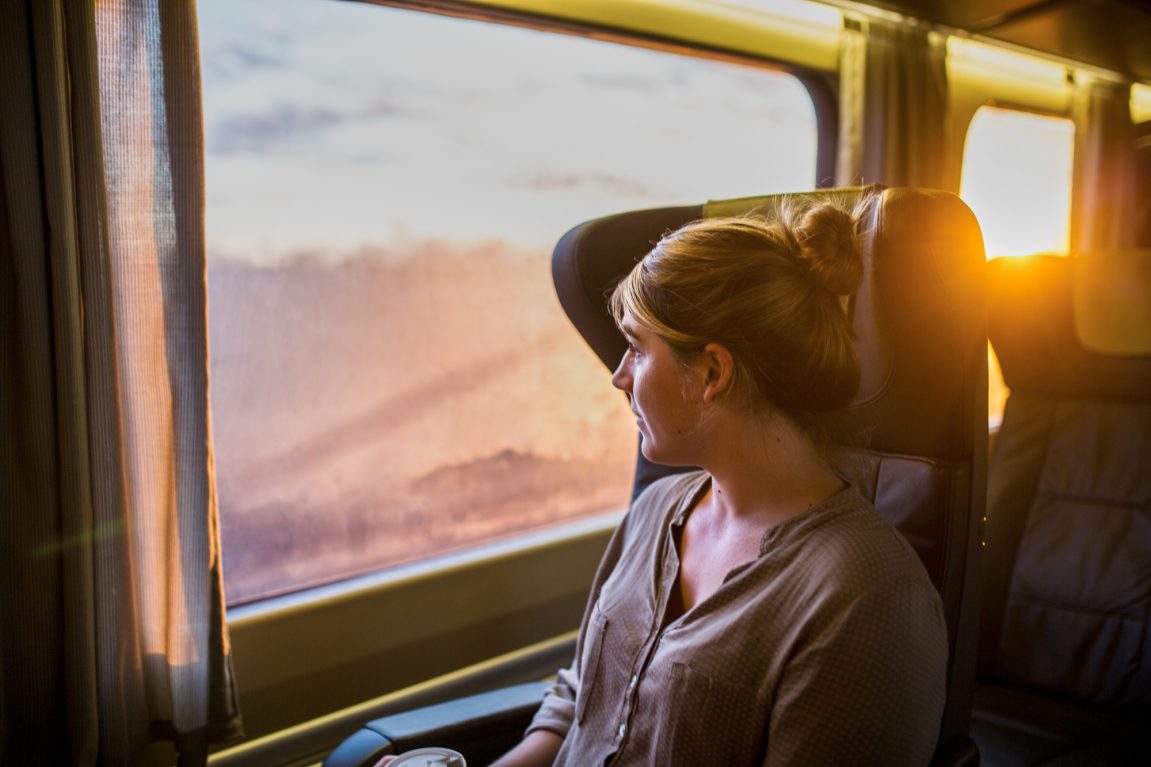
There is something particularly appealing about watching a landscape change at ground level. Suburbs give way to smaller communities and open spaces, and the distance between cities becomes part of the journey rather than something to cross as quickly as possible.
On board, time feels different. You can read, work, have a coffee or simply watch the scenery. You are travelling, but you are not responsible for getting there.
That distinction becomes increasingly valuable when we think about what “convenience” actually means.
Montréal to Ottawa: Time Without the Traffic
Ottawa is perhaps the clearest example of why the train travel deserves a place in the conversation about sustainable travel.
The journey is competitive with driving in duration, while removing the need to concentrate on traffic or deal with parking once you arrive. From the station, you can explore the city by walking and public transportation.
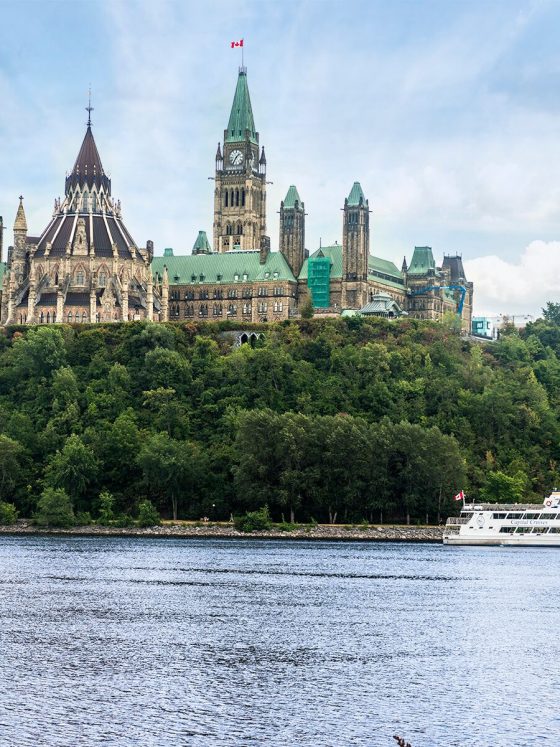
Ottawa’s Gothic Revival Parliament buildings, museums, the ByWard Market and the Rideau Canal make for an easy urban escape without a car.
The train also creates a useful transition. Instead of spending the journey behind the wheel, you arrive having had time to read, look out of the window or simply switch off. Sustainability here does not feel like a compromise. It feels practical.
Montréal to Québec City: Making the Distance Visible
The journey to Québec City is longer: VIA Rail lists an average of 3h26, with current services generally taking between just over three and a half hours and, on some departures, closer to four.
Driving can be faster in ideal conditions, but the difference is less straightforward once traffic, parking and the realities of entering and leaving a major city are considered.
More importantly, the train offers something the car cannot: the possibility of experiencing the landscape without concentrating on the road.
As Montréal fades away, towns, fields and open spaces gradually appear. The journey becomes a quiet introduction to Québec’s geography before arriving in the historic capital. And Québec City is particularly well suited to travelling without a car.
Inside the fortifications of Old Québec, the best way to explore is often simply to walk. Stone façades, narrow streets, viewpoints over the St. Lawrence and small cafés reveal themselves at street level. The absence of a car is barely noticeable.
Rethinking What We Gain
Sustainable train travel is often described through the language of sacrifice: less speed, less comfort, less flexibility. These journeys suggest another possibility.
The train is not necessarily the slower option. On Montréal–Ottawa, it can be remarkably competitive with driving. On Montréal–Québec City, the difference in travel time has to be weighed against traffic, parking and the freedom of not having to drive.
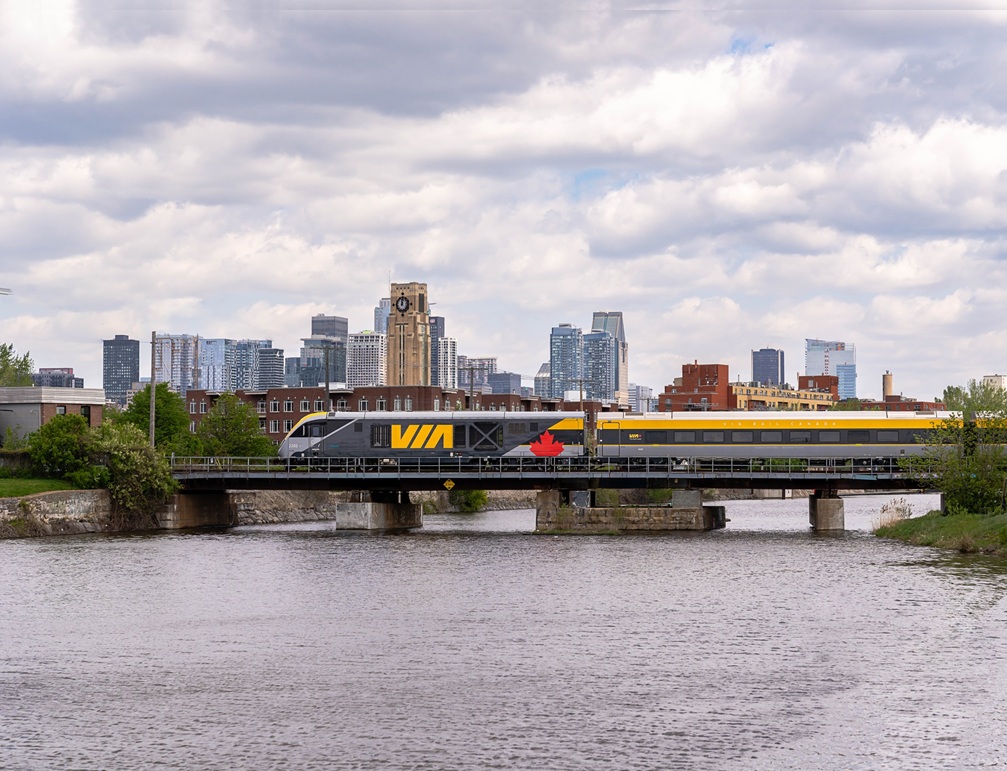
What you gain is not only a lower-impact way of moving between cities. You gain time that belongs to you: a window seat, a changing landscape, a few uninterrupted hours to read, think or simply do nothing.
Perhaps responsible travel does not require us to give up convenience after all, perhaps it simply asks us to redefine it.












Follow us on Instagram