Why beard transplants are attracting more and more men
A beard transplant involves transplanting hair follicles usually taken from the scalp – to areas of the face where hair is sparse or completely absent. There are many reasons for taking this step: to thicken an uneven beard, to conceal an unsightly scar, or simply to even out facial hair that is considered too sparse.
But beyond mere aesthetics, this procedure often touches on something deeper: self-confidence. It must be said that, in many cultures, a beard remains associated with a certain image of masculinity. That said, it is first and foremost a genuine surgical procedure, not merely a cosmetic treatment; it therefore warrants thorough research before any decision is made.
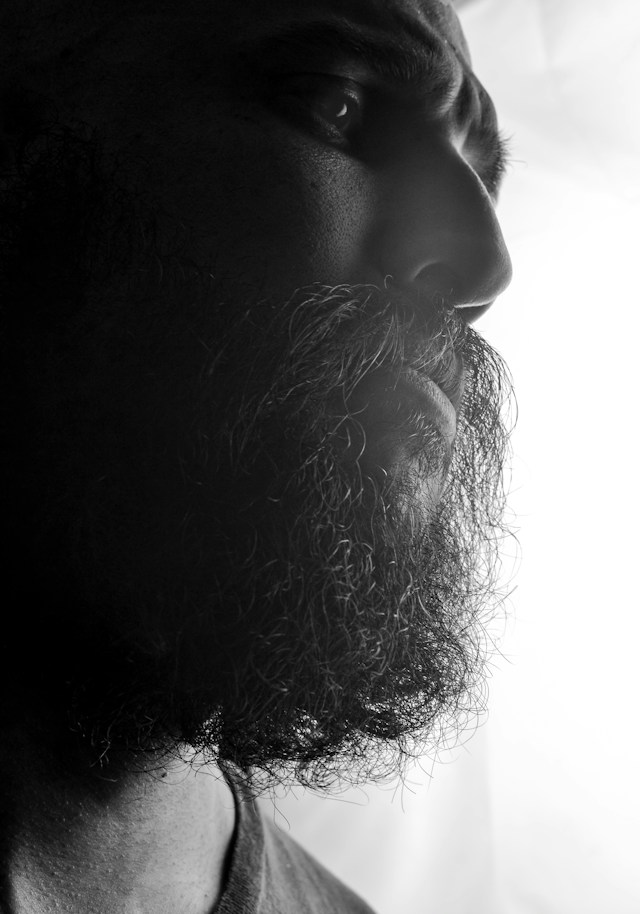
Understanding the principle behind beard transplants
From a technical perspective, the procedure involves harvesting follicular units from a donor area – most commonly the back of the head – followed by their implantation, taking great care to follow the natural direction of the existing hair. The FUE (Follicular Unit Extraction) technique is by far the most widely used today: it involves extracting hair follicles one by one, under local anaesthetic, leaving behind pinpoint scars that are virtually invisible to the naked eye. It is important to note that, following the procedure, the transplanted hairs will fall out before gradually growing back, with the final result only becoming fully apparent over the course of the following months.
In which cases might a beard transplant be considered?
This type of procedure may be suitable for a number of situations: a beard that has always been sparse, naturally sparse facial hair, or facial scarring resulting from severe acne, an accident or a previous surgical procedure. The procedure is also sometimes considered as part of a facial masculinisation programme. In any case, a specialist consultation is always required to rule out certain contraindications, such as impaired wound healing or active skin conditions.
What you really need to know about results and limitations
The final result depends largely on the quality of the donor area – a factor all too often underestimated by candidates for the procedure. It is therefore best to maintain realistic expectations: the transplant enhances existing facial hair; it does not create a beard from scratch. The very first few days following the operation are generally accompanied by redness, slight swelling and itching, which can sometimes be uncomfortable. As for recovery time, this varies from a few days to several weeks depending on the individual case, and it is strongly recommended that you follow the post-operative instructions to the letter, particularly regarding shaving and exposure to the sun.
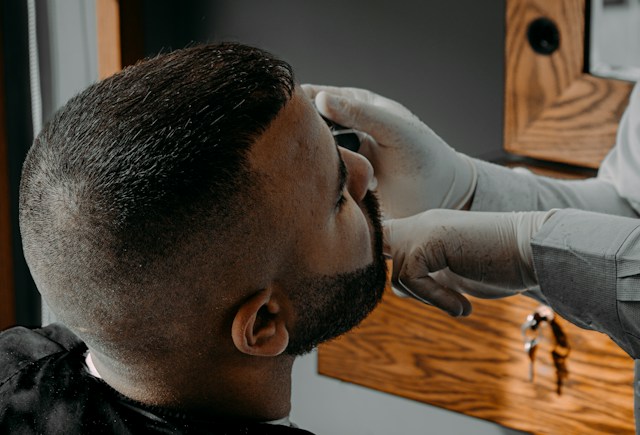
Risks, side effects and safety of the procedure
Like any surgical procedure, beard transplantation is not without risks and side effects: redness, temporary folliculitis and, more rarely, infections or hypertrophic scarring. Before going ahead, a few checks are essential:
- the surgical hygiene standards of the chosen clinic;
- the practitioner’s specific training in hair restoration surgery;
- a frank and transparent discussion about the patient’s medical history (smoking, diabetes, blood clotting disorders).
Choosing the right specialist for a beard transplant
The choice of practitioner should not be left to chance and must be based on objective criteria: recognised training, transparency regarding the technique used, an honest presentation of before-and-after cases, and complete clarity on post-operative care. It is advisable to compare several opinions and to choose an experienced surgeon who is able to explain both the benefits and the real limitations of the procedure.
In major urban areas, there is generally a greater concentration of specialist clinics, which makes it all the easier to compare different medical teams. A reader living in the Paris region, for example, can find out about beard transplants in Paris to assess the various options available locally, whilst never losing sight of the fact that transparent information remains the most decisive selection criterion.
Summary and points to consider before going ahead
A beard transplant requires thorough preparation: a clear understanding of the technique used, an awareness of its limitations, and a fully informed assessment of the risks. Taking the time to consult several specialists, ask specific questions and check your medical suitability remains, even today, the best way to proceed with confidence when undertaking this type of procedure. Ultimately, it is an informed decision, based on reliable sources and open dialogue with the practitioner, that is the real key to a procedure carried out under the right conditions.













Follow us on Instagram