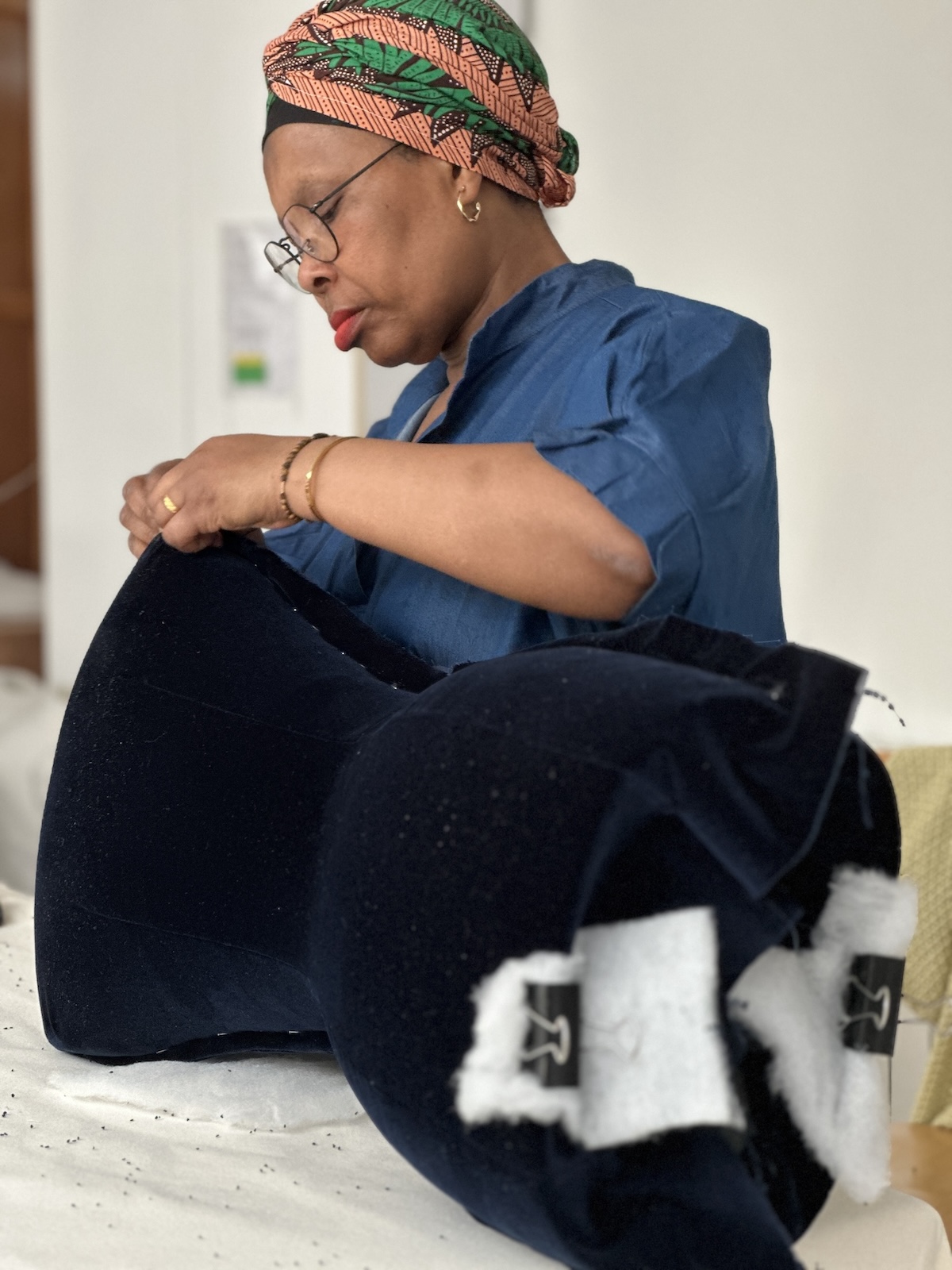
The fashion industry continues to evolve, but its consumption model raises ongoing environmental concerns.
With constantly changing collections, intensive production and the accumulation of clothing, the textile industry needs to rethink its practices. Against this backdrop, recycling has emerged as a way to give materials a second life and reduce waste. But is it really the only way to tackle clothing overconsumption?
While recycling helps make use of existing resources, it cannot address all the challenges of an industry that continues to produce and consume more and more. Reducing production volumes, reusing materials, repairing garments and embracing the circular economy are all approaches worth exploring.
In this episode of Inside Kodd, Angela Anz welcomes representatives from Stockman and Weturn to discuss emerging practices in the textile industry and the opportunities offered by recycling.
Rethinking textile production beyond recycling
Recycling is an important way to reduce the waste of textile resources. However, it generally takes place after production and does not necessarily challenge manufacturing volumes or existing consumption habits.
To build a more responsible industry, several approaches must therefore work together. Producing less, choosing durable clothing, repairing existing garments and encouraging reuse can all help extend the lifespan of textiles.
This also concerns fashion and luxury brands, which generate materials through manufacturing processes, unsold stock and surplus inventory. Finding ways to repurpose these resources creates opportunities to develop new production cycles while reducing reliance on virgin materials.
Stockman and Weturn: turning textile waste into new resources
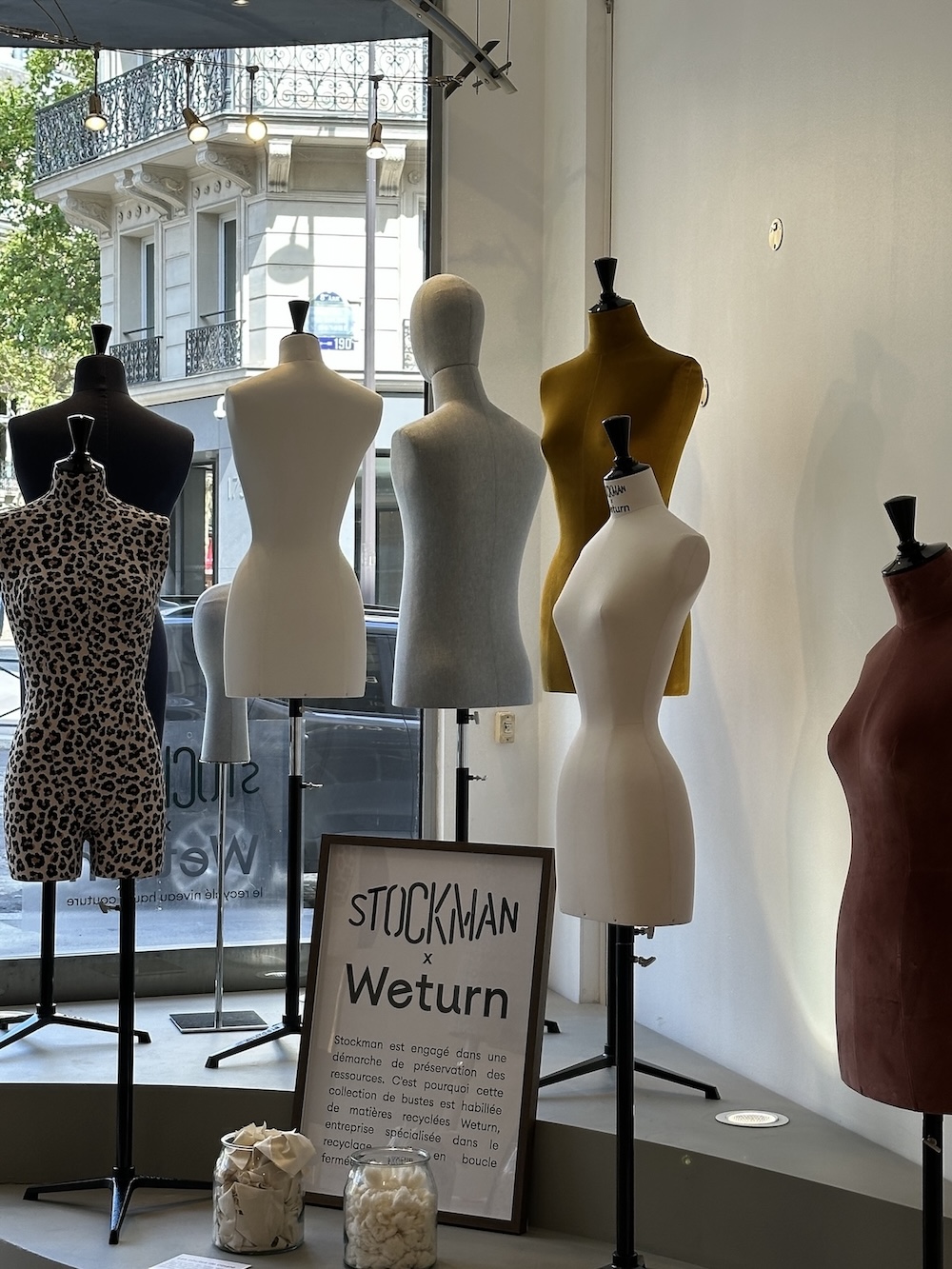
Since 1867, Stockman has been manufacturing dress forms and mannequins for some of the world’s leading fashion houses. Weturn, meanwhile, has been developing a European textile to textile recycling network since 2020, transforming industrial textile surplus into new raw materials.
Their partnership demonstrates the practical possibilities of the circular economy. Each year, approximately 300 kg of textile offcuts from Stockman’s workshops are collected and earmarked for recovery by Weturn. Through mechanical recycling, these materials are transformed into new yarns and fabrics.
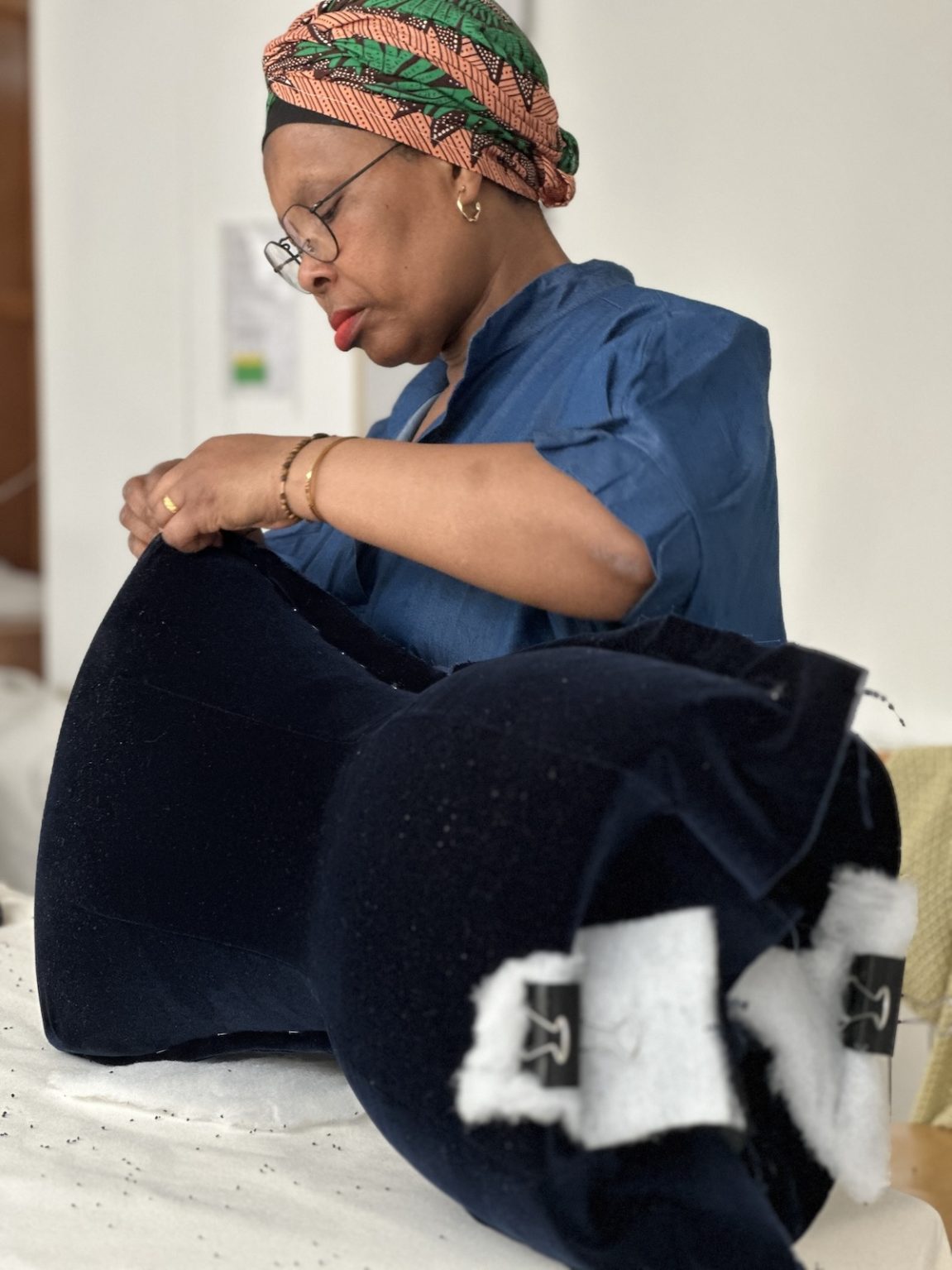
The initiative goes one step further, with Stockman now using some of Weturn’s recycled materials to cover its dress forms. Around ten references have been selected for the collection. This means that the material covering certain mannequins today may originally have come from offcuts generated during the production of other Stockman mannequins.
Towards more responsible fashion consumption
Recycling is a valuable solution, but it cannot be the sole answer to clothing overconsumption. The future of fashion also depends on our collective ability to rethink production, make better use of resources and reconsider our shopping habits.
In this episode of Inside Kodd, we explore the realities of textile recycling with Stockman and Weturn, examining practical circular economy initiatives and the changes needed to build a more responsible fashion industry.














Follow us on Instagram