Flags, animals, monuments or historical figures: national symbols play a vital role in passing on cultural identity. Discover how they tell the story of peoples across the generations.
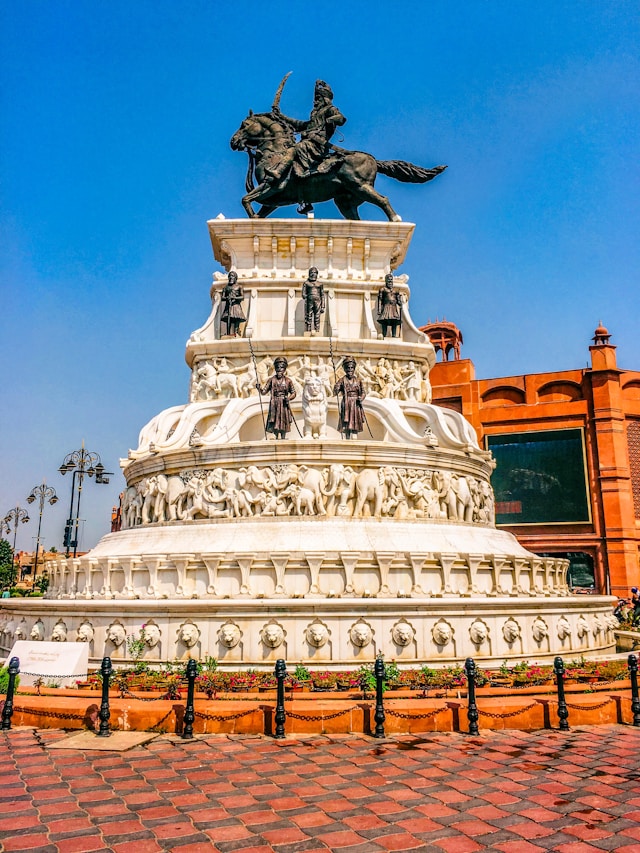
Every country has symbols that set it apart and help to shape its identity. Some are instantly recognisable, such as a flag or a monument, whilst others take the form of an animal, a plant or an object steeped in history. Far more than mere representations, these emblems bear witness to the values, traditions and events that have shaped a nation.
Symbols, the living memory of peoples
Unlike monuments or historic sites, symbols form part of intangible cultural heritage. They embody stories, beliefs and traditions that contribute to collective memory. The cedar in Lebanon, the dragon in China, the kangaroo in Australia and the lion in several African countries are all examples of emblems that transcend their mere representation.
They evoke characteristics associated with a nation, whether it be courage, power, resilience or freedom. Because they are easily recognisable, these symbols also help to foster a sense of belonging. They serve as reminders of a shared history and become markers of national identity, for both residents and foreign visitors alike.
When culture shapes emblems
Symbols evolve alongside societies. Their meaning can deepen over the centuries, as can their representation in the arts. Literature, painting, sculpture, music and cinema all help to sustain their popularity and lend them new interpretations. Artists often play a vital role in this process of transmission.
By reinterpreting a traditional symbol, they create a dialogue between the past and the present. This approach helps to preserve cultural heritage whilst adapting it to contemporary sensibilities. Cultural institutions, museums and craftspeople also play a part in promoting these symbols by showcasing them in their collections, exhibitions or creations.
Sport, a powerful vehicle for national symbols
Major international competitions regularly serve as a reminder of the importance of emblems in representing nations. When a team takes to the field, national colours, anthems and symbols become unifying elements that transcend the mere sporting context.
These events bring global attention to symbols that may be ancient, but which are always rich in meaning. They help to strengthen supporters’ sense of belonging, whilst introducing certain cultural traditions to an international audience. This presence in sport shows that national symbols continue to evolve and find their place in contemporary cultural expressions.
Between heritage and contemporary creation
Today, many designers draw inspiration from historical symbols in order to reinterpret them. This approach fosters a dialogue between craftsmanship, design and heritage, whilst breathing new life into emblems that are sometimes several centuries old.
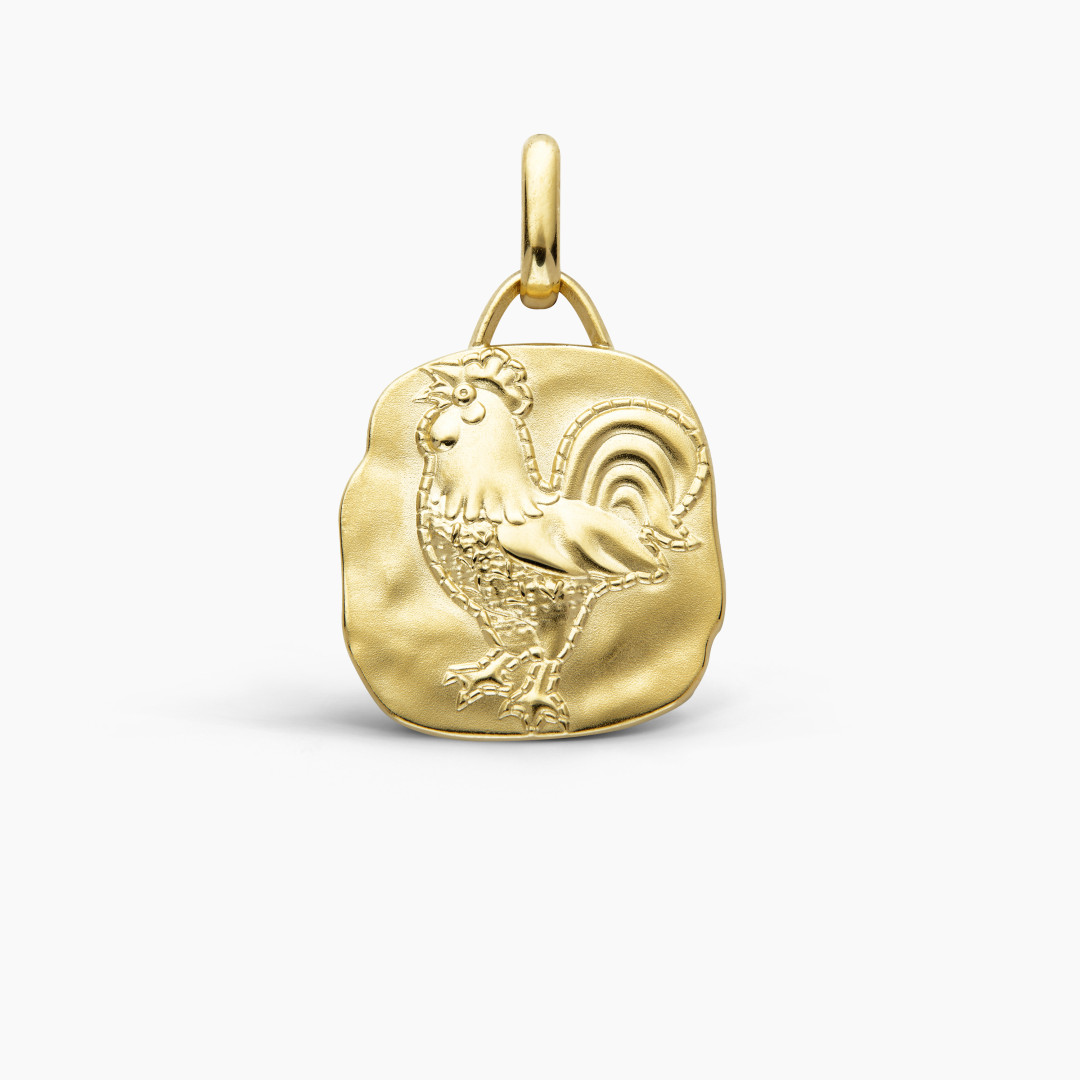
Maison Arthus Bertrand is part of this movement by celebrating the rooster, one of France’s most iconic symbols. Through this initiative, the brand reminds us that national emblems continue to inspire designers and spark an interest that extends far beyond sporting events.
Landmarks that span generations
National symbols hold a special place in cultural heritage, as they tell a story accessible to all. Without the need for lengthy narratives, they sometimes encapsulate several centuries of history, traditions and values. Their strength lies in their ability to evolve without losing their meaning. Reinterpreted by artists, celebrated at international events or passed down through families, they continue to forge a bond between generations.
At a time when cultural exchanges are on the rise, these emblems also serve as a reminder of the richness of national identities. They show that heritage is not limited to monuments or objects preserved in museums; it also lives on through the symbols that accompany peoples and tell their stories.


















Follow us on Instagram