Much more than mere hotels, luxury palaces reflect the aspirations, tastes, and values of the societies in which they are born and evolve.

Places that tell a story
Luxury palaces occupy a special place in the collective imagination. Often associated with luxury and exclusivity, they are also privileged witnesses to their era. Their architecture, decor, and approach to welcoming guests reflect the tastes, ambitions, and values of the societies that shaped them.
Since the 19th century, grand hotels have accompanied the rise of international tourism, cultural exchange, and new forms of mobility. They have become meeting places where artists, businesspeople, political figures, and travelers from around the world come together. Within their walls, a chapter of social and cultural history unfolds.
An architectural history in constant reinvention
Each era leaves its mark on these establishments. The opulent decor of the Belle Époque, the Art Deco influences of the 1920s, and the cleaner lines of contemporary design all reflect evolving aesthetics and collective aspirations. Luxury palaces are not frozen in time, they evolve alongside society while preserving part of their heritage.
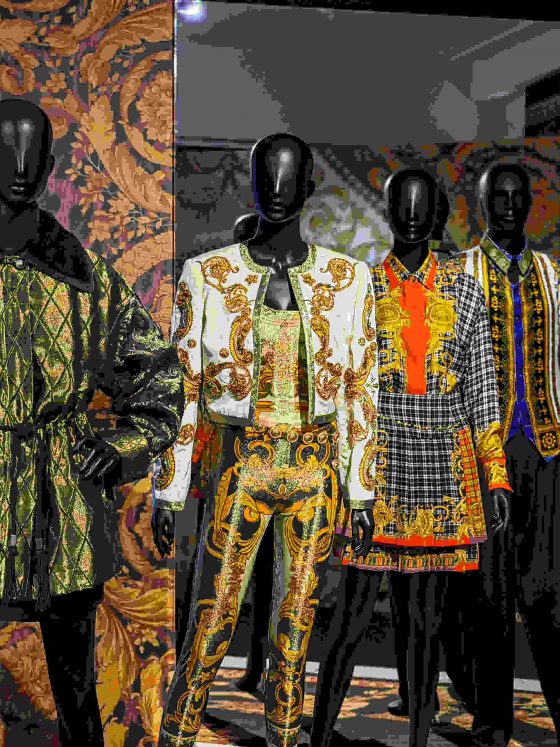
This heritage aspect is evident in certain iconic establishments that continue to keep decorative and architectural expertise alive. The Fouquet’s Hotel, recently awarded the title of palace, exemplifies this commitment to blending heritage with modernity. The work by the Friedmann & Versace studio on some of its spaces demonstrates how contemporary design can engage with historical references without erasing them.
A reflection of a society’s values
Beyond their appearance, palaces also reflect the dominant values of an era. In the past, they often symbolized economic power and social prestige. Today, they seek more to emphasize experience, authenticity, and attention to detail. This evolution reflects the expectations of contemporary travelers.
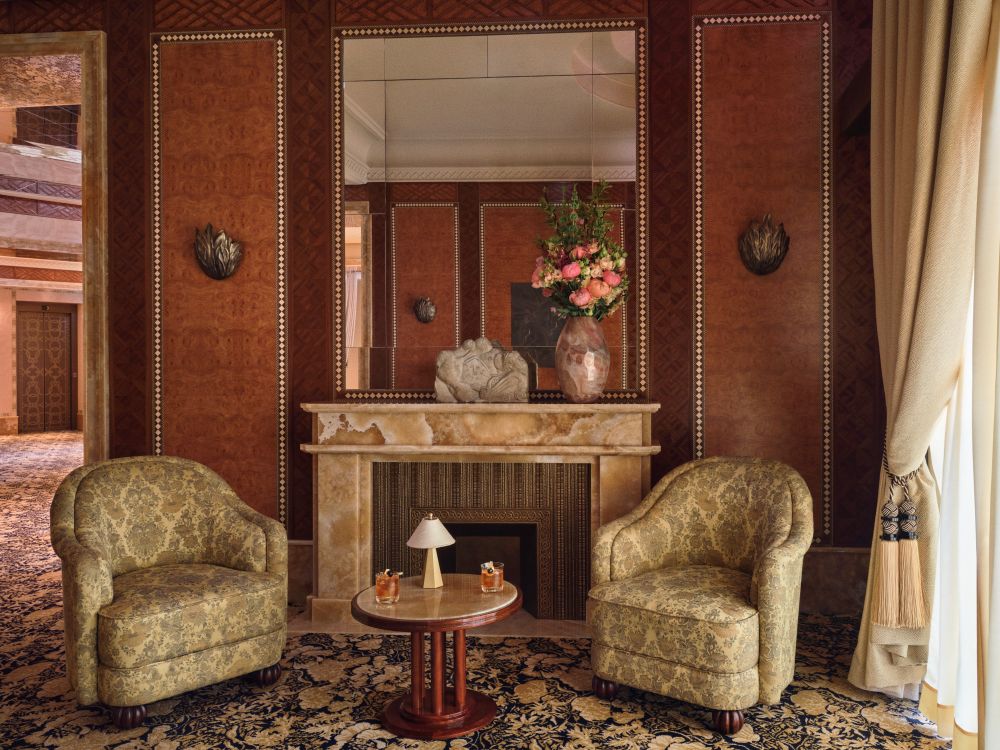
Prestigious establishments thus become spaces where tradition and innovation converge. The materials used, the works of art on display, and the architectural choices all reflect this quest for meaning. Each element contributes to the creation of a narrative that goes beyond the mere function of providing lodging.
Showcases of cultural heritage
Palaces also play an important role in preserving cultural heritage. Many are housed in historic buildings or draw inspiration from local artisanal traditions. In this way, they help keep age-old skills alive while adapting them to modern demands. In some cases, these establishments even become cultural ambassadors.
Visitors discover a history, an aesthetic, or traditions that contribute to a region’s identity. The luxury hotel then becomes much more than a place to stay; it transforms into a cultural experience. This aspect is particularly evident in the interior design. Woodwork, fabrics, lighting, and art objects are not chosen solely for their aesthetic appeal. They tell the story of an era, a region, or a worldview.
Between tradition and modernity
One of the major challenges facing contemporary luxury hotels is preserving their identity while meeting today’s expectations. Renovations and redesigns must strike a balance between respecting heritage and embracing innovation. This ability to adapt is largely what accounts for their longevity.
The establishments that endure over the decades are often those that know how to evolve without sacrificing their history. They thus offer an experience that combines collective memory with modern comfort. By observing their evolution, we come to understand that luxury hotels are not merely places of luxury.
They are true cultural witnesses, capable of reflecting the social, aesthetic, and economic transformations of their time. Through their architecture, their decor, and their role in society, they remain privileged mirrors of the values of an era.










Follow us on Instagram