« The textile industry remains one of the most polluting sectors in the world, accounting for approximately 10% of global CO₂ emissions, prompting consumers and designers to fundamentally rethink their choice of materials. »
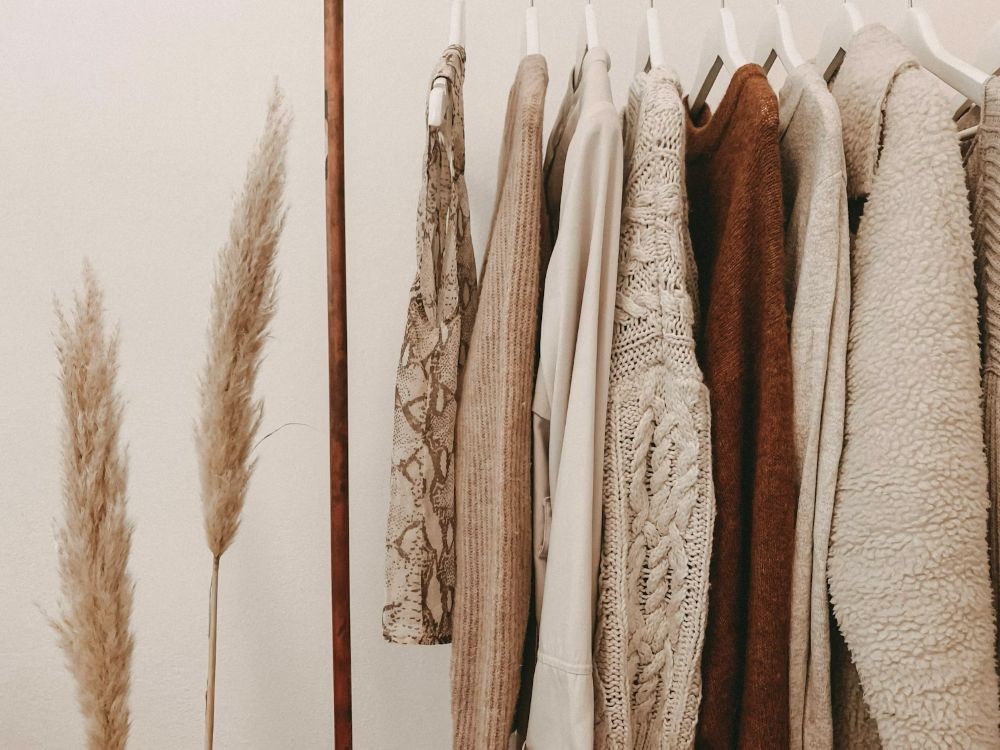
Long confined to clothing, slow fashion is no longer limited to our wardrobes. It is gradually extending to all aspects of daily life and redefining our relationship with materials, comfort, and functionality. Behind this movement lies a profound shift: textiles are no longer merely aesthetic; they are becoming sensory, sustainable, and intimate.
Why is fashion rediscovering natural materials?
The return of natural materials is not merely a passing trend. It stems from a dual realization:
- The environmental impact of petroleum-based synthetic fibers;
- The growing need for comfort and breathability against the skin.
Polyester, ubiquitous for decades, is now showing its limitations: perceived low durability, poor thermal regulation, and, above all, its contribution to microplastics. Conversely, materials like linen, cotton, or hemp offer a more vibrant, almost organic experience.
A New Approach to Textiles
The philosophy behind slow fashion extends beyond clothing. It also applies to bedding, towels, throws, and bath linens in other words, the textiles that are part of our daily lives.
In these contexts, the material is far from a mere detail. In the bathroom, for example, a synthetic fabric may dry quickly, but it often retains heat less effectively and feels less breathable than a bathrobe made of natural materials. On the other hand, fibers like cotton, linen, or hemp are sought after for their ability to absorb moisture, allow air to circulate, and age gracefully when properly cared for.
This shift in perspective is significant: we no longer choose a fabric solely for its appearance, but for the way it enhances a gesture, a sensation, and the duration of use.
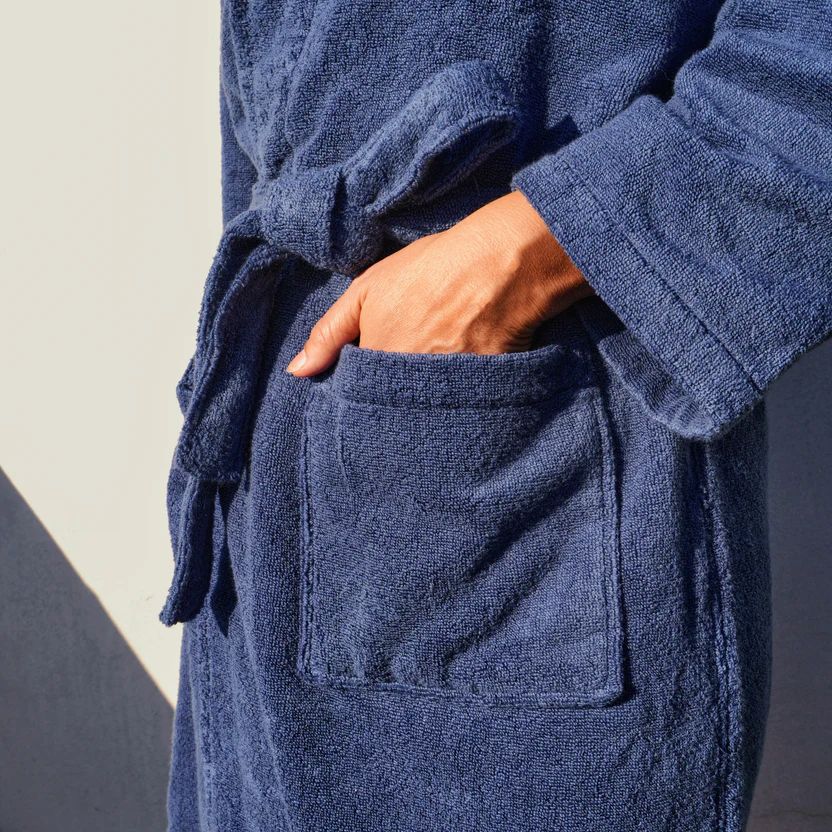
Natural Materials, Piece by Piece
What connects these uses is less an aesthetic rationale than a quest for sensory coherence. Textiles become a direct interface between the body and the environment.
| Space | A focus on natural materials | Key Benefits |
| Room | Linen, organic cotton | Breathability, thermal comfort |
| Bathroom | Cotton, bamboo | Absorption, softness, warmth |
| Living room | Wool, hemp | Durability, natural beauty |
What Today’s Consumers Are Looking For
Beyond trends, several factors influence their choices:
- The traceability of materials;
- The product’s actual durability;
- Everyday comfort;
- Reducing environmental impact.
According to ADEME, extending the lifespan of textiles by just nine months would significantly reduce their carbon footprint. This argument extends far beyond the realm of fashion alone.
Avoid falling for greenwashing
Choosing natural materials doesn’t automatically guarantee a responsible choice. Three things to watch out for:
- Confusing “natural” with “sustainable” (it all depends on how it’s produced);
- Ignoring the origin and manufacturing conditions;
- Being swayed solely by aesthetics.
Highly processed conventional cotton can have a significant environmental impact, whereas locally produced linen is often a better choice. The material alone isn’t enough: it’s the entire lifecycle that matters.
Toward a Seamless Transition Between Fashion and Lifestyle
The line between fashion and interior design is gradually blurring. The materials we choose for our clothing now influence those we select for our homes. This seamless transition reflects a deeper shift: toward a lifestyle where every detail—even the invisible ones—contributes to our overall well-being.
The return of natural materials signals a shift in perspective: consuming less, but better, by prioritizing items that have meaning, a pleasant feel, and true longevity. Between ethical fashion and lifestyle, textiles have become a subtle yet essential thread running through our daily lives.




















Follow us on Instagram