From navigation charts to flight instruments, certain objects have accompanied aviation’s major advances. Let’s take a look back at these tangible artifacts that tell the story of the conquest of the skies.
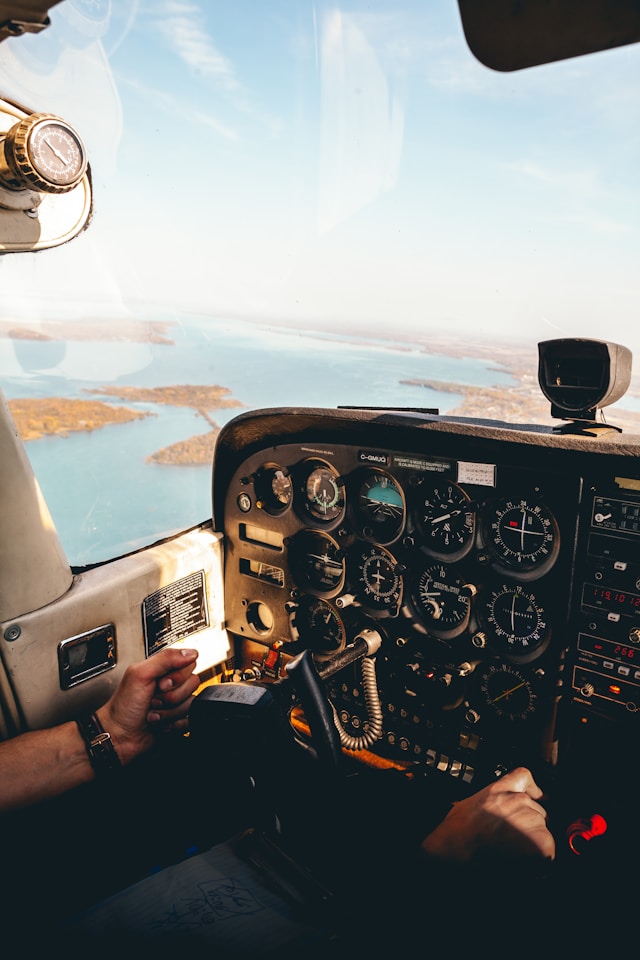
From the early feats of aviation pioneers to today’s commercial flights, the conquest of the skies has always relied on human ingenuity. While airplanes naturally take center stage, many other objects have played an equally essential role in this adventure. Measuring instruments, navigation charts, compasses, and chronometers have accompanied aviators at every stage of the evolution of air travel.
These objects are not merely technical tools. They bear witness to an era, a level of knowledge, and the challenges pilots had to face. Preserved in museums or by passionate collectors, they now offer a deeper understanding of the progress made over the past century. Their value often transcends their original function, becoming part of our cultural and scientific heritage.
Interest in these artifacts of aviation history remains particularly strong. Indeed, some companies continue to draw inspiration from this legacy. This is the case with Alpina, whose archives trace more than a century of ties to the world of aviation. Historical photographs, vintage models, and contemporary designs serve as a reminder of how certain objects can retain their cultural significance while evolving with the times.
The first instruments used by pioneers
In the early days of aviation, flying was often a feat of daring. Pilots had limited means of navigating and monitoring their course. Paper maps, magnetic compasses, and altimeters were indispensable tools for navigating an environment that was still largely unknown. These instruments required a high degree of skill.
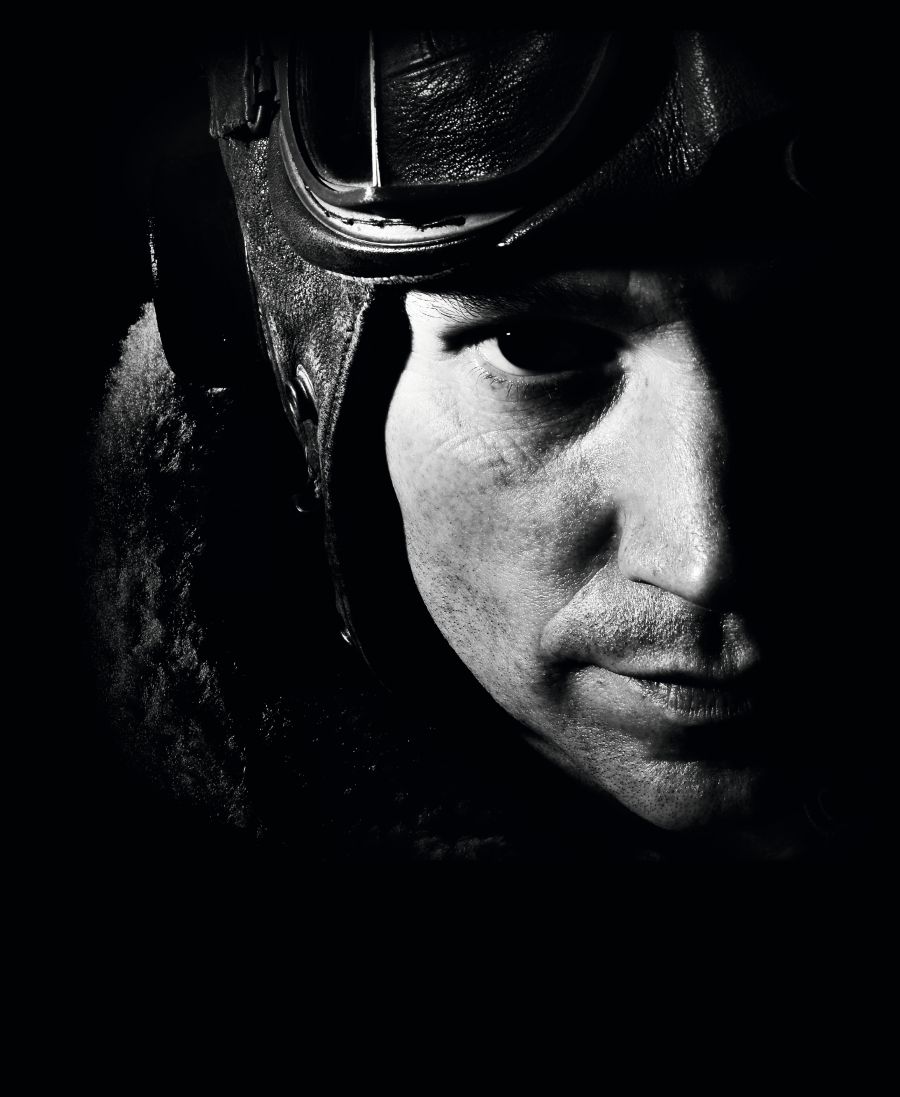
Aviators had to quickly interpret the information at their disposal while dealing with weather conditions that were sometimes unpredictable. Each technical innovation at the time represented a major advance in safety and efficiency. Over time, this equipment became more accurate. Its evolution has gone hand in hand with that of aviation itself, from the first experimental flights to the creation of major international airlines.
Objects that reflect the evolution of craftsmanship
The history of aviation instruments is also the history of advances in engineering and precision manufacturing. Each generation of equipment reflects the knowledge available at the time and the specific needs of pilots. This constant quest for improvement has given rise to particularly sophisticated objects. Their design draws on a wide range of skills, from mechanics to electronics to ergonomics.
Some of these instruments are now considered true collector’s items because of their historical significance. Beyond their technical aspects, they also tell a human story. Behind each instrument are engineers, pilots, and inventors who have helped make air travel safer and more accessible.
A heritage that continues to inspire
In the digital age, many functions once performed by mechanical instruments are now integrated into complex computer systems. Yet interest in historic aviation artifacts remains strong. Exhibitions, archives, and private collections bear witness to the public’s attachment to this technical heritage.
These artifacts allow us to trace the major milestones in the conquest of the skies and to understand the challenges faced by previous generations. They also serve as a reminder that every technological advance is built upon a legacy of knowledge accumulated over time. By preserving these relics of the past, enthusiasts and institutions help pass on a history that continues to fuel the collective imagination.


















Follow us on Instagram