Long before it was simply a beauty product, perfume has been a form of personal expression. Invisible yet immediately perceptible, it accompanies a person’s presence, leaves a lasting impression, and contributes to the image each person projects.
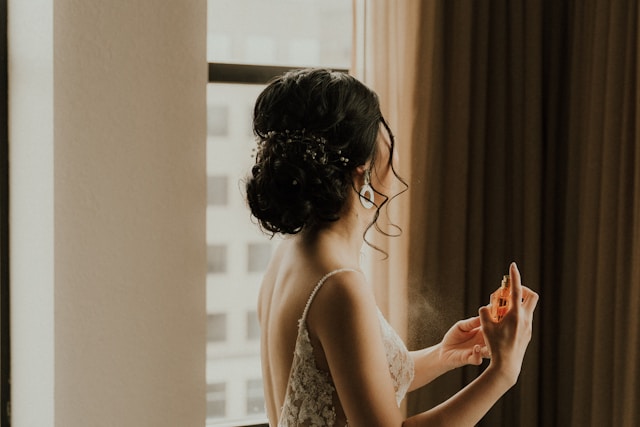
A fragrance is more than just a scent; it tells a story, evokes memories, and sometimes reflects a part of the wearer’s personality. Over the centuries, perfume has spanned cultures, civilizations, and ways of life. Sometimes associated with the sacred, sometimes with luxury or the art of living, it has gradually established itself as an essential part of daily rituals.
An invisible identity
Choosing a fragrance is often like choosing a way to present yourself to the world. Some people favor fresh, understated notes, while others prefer woody, amber, or spicy accords that more strongly assert their character. Unlike an accessory or a piece of clothing, fragrance works in a more subtle way.
It moves with you, evolves upon contact with the skin, and transforms over the course of hours. This evolution explains why the same fragrance can reveal different facets depending on who is wearing it. Perfume thus becomes an invisible signature, capable of leaving a lasting impression without ever being visible.
When fragrances draw inspiration from culture
The world of perfumery regularly draws inspiration from the arts, travel, landscapes, and major cultural events. These influences allow creators to craft fragrances that tell a story far beyond their olfactory notes. This approach is evident in certain contemporary collaborations.
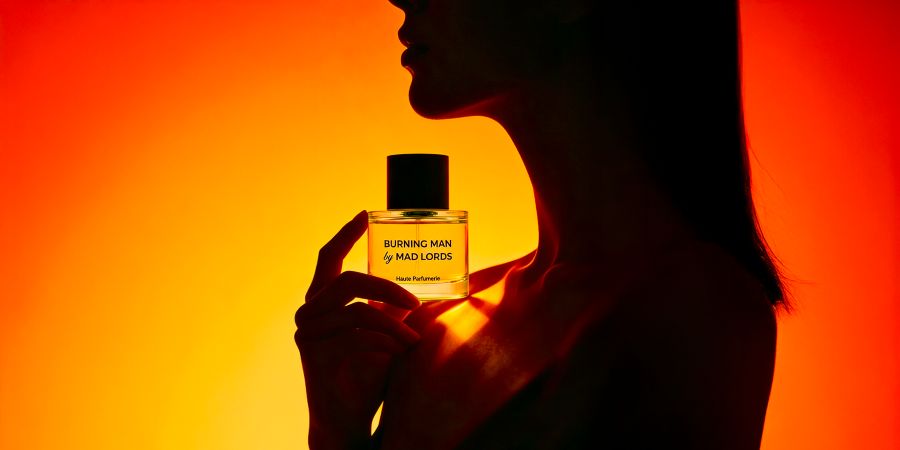
This is particularly true of Mad Lords, which, as part of a partnership with Burning Man, created the Burning Man by Mad Lords collection, featuring jewelry and fragrances. Inspired by the creative and free-spirited nature of the famous festival, this initiative illustrates how a cultural world can fuel olfactory creation and give rise to fragrances that evoke a unique imagination.
The memory of scents
Perfume has a unique ability to evoke memories. A single scent can bring back a trip, an encounter, or a special moment that may have long since been forgotten. This phenomenon, often referred to as olfactory memory, explains why certain fragrances have such a powerful emotional impact. Perfumers take this aspect into account when crafting their creations.
The goal is not merely to produce a pleasant scent, but to evoke a lasting emotion. The top notes immediately capture the attention, while the heart and base notes prolong the experience by leaving a deeper impression. This richness makes perfume a sensory language capable of telling stories without resorting to words.
Expertise at the intersection of science and creativity
Creating a fragrance requires a subtle balance between technical mastery and artistic sensibility. Perfumers work with hundreds of natural and synthetic ingredients to craft harmonious and original accords. Each formula is the result of meticulous work in which proportions, combinations of raw materials, and the evolution of notes are carefully studied. Behind every fragrance lies several months or even years of research.
A signature that stands the test of time
While trends regularly influence olfactory preferences, certain fragrances retain their popularity for decades. Their balance, the quality of their composition, and their ability to evoke emotions allow them to transcend eras without losing their character. Today, perfume continues to play an essential role in beauty rituals.
More than just a daily ritual, it evokes memories, affirms one’s identity, and reveals a sensitivity unique to each individual. Invisible yet deeply evocative, it reminds us that the most memorable creations are not always the ones we see. Some stand out above all for the emotions they leave in their wake.














Follow us on Instagram