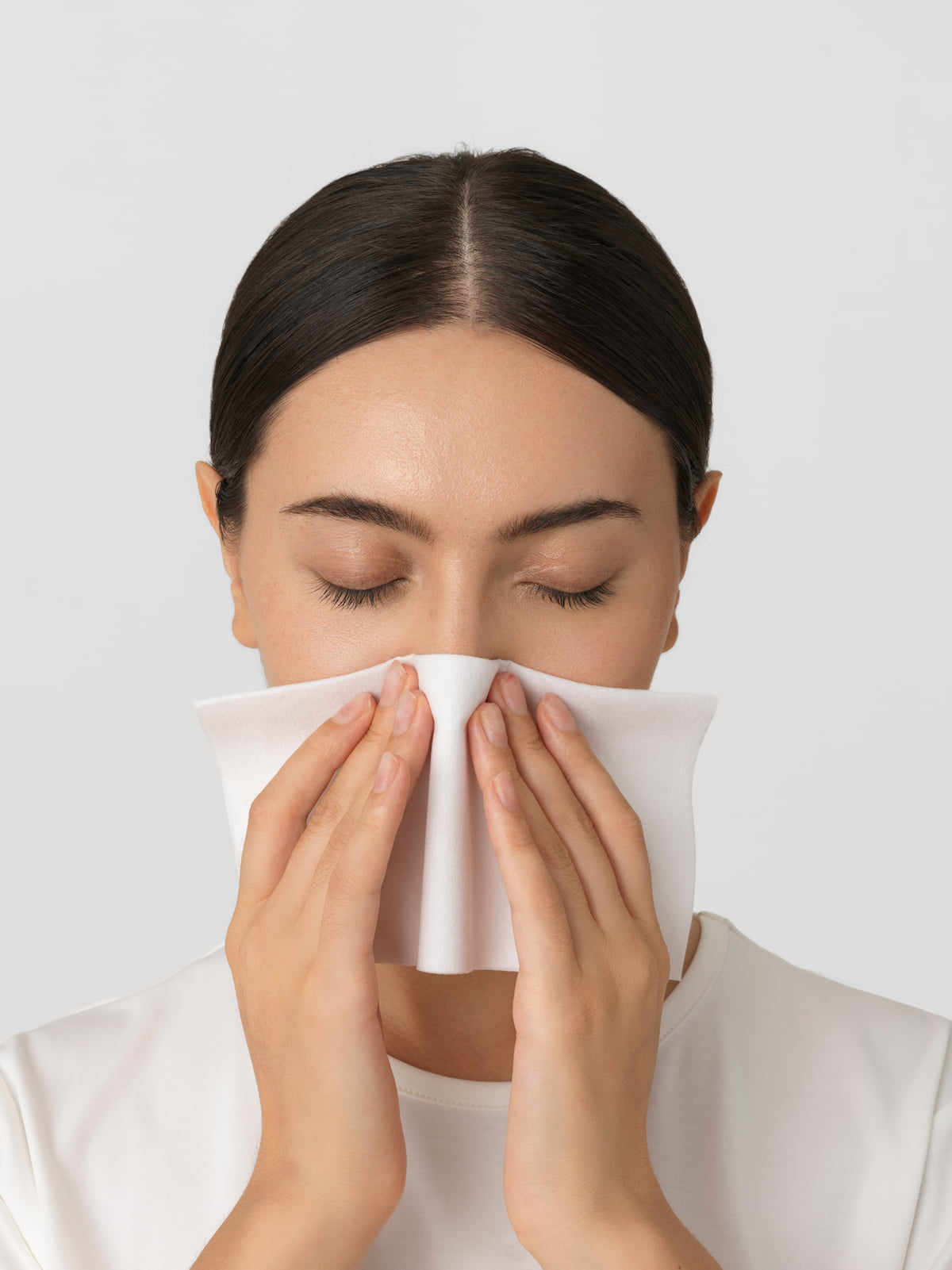
Cotton can play a part in skincare routines for sensitive skin during the winter. When blowing your nose repeatedly, the choice of fabric helps to minimise friction. SolCotton offers, in particular, single-use tissues made from natural cotton.

Cotton is a material worth considering when the skin becomes sensitive in winter. The cold, dry air and seasonal colds can leave the skin around the nose feeling fragile. Repeatedly blowing your nose can sometimes exacerbate redness and discomfort. To meet these needs, certain brands such as SolCotton offer cotton tissues designed for daily hygiene routines.
SolCotton focuses on cotton for everyday use
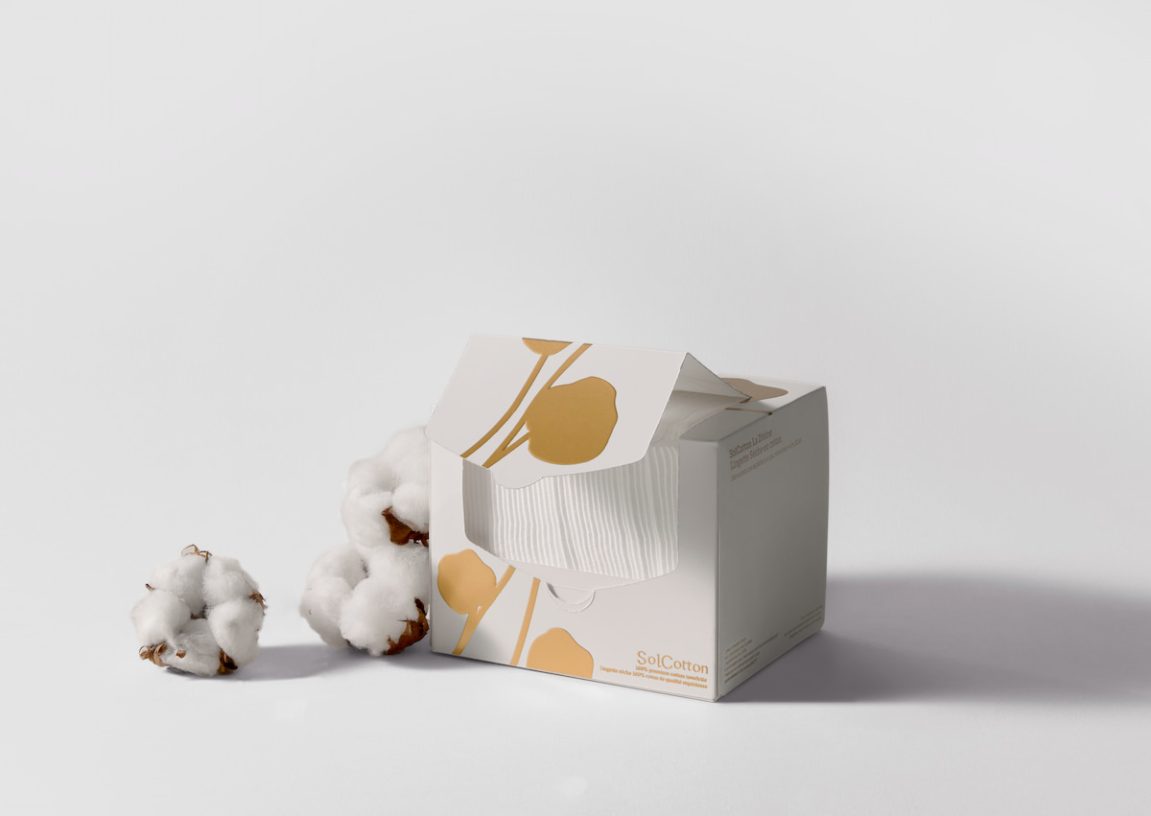
In its September 2026 press release, SolCotton introduces L’Essentiel, a single use tissue made from 100% natural cotton. Measuring 20 × 20 cm, it is available in a box of 100 tissues at a stated price of €6.95. The brand positions it as an alternative to conventional paper tissues, particularly during periods when nose blowing becomes frequent.
According to the information provided by the brand, these tissues are lint free and tear resistant. They are also described as fragrance free, alcohol free and hypoallergenic, and have been dermatologically tested. They carry the OEKO TEX STANDARD 100 certification, which sets requirements concerning the presence of harmful substances in textiles.
Cotton is therefore the main material at the heart of this range. SolCotton highlights its soft, breathable texture, designed for repeated contact with skin that may already be fragile. However, these characteristics do not guarantee that a product will never cause a skin reaction. Individual tolerance depends on several factors, including skin sensitivity.
L’Essentiel is part of a wider product range. SolCotton also offers dry and wet wipes for various personal care and skincare routines. This approach uses the same material across different everyday needs, from drying the face to removing make up and carrying out other hygiene routines.
Why does the skin around the nose become more sensitive in winter ?
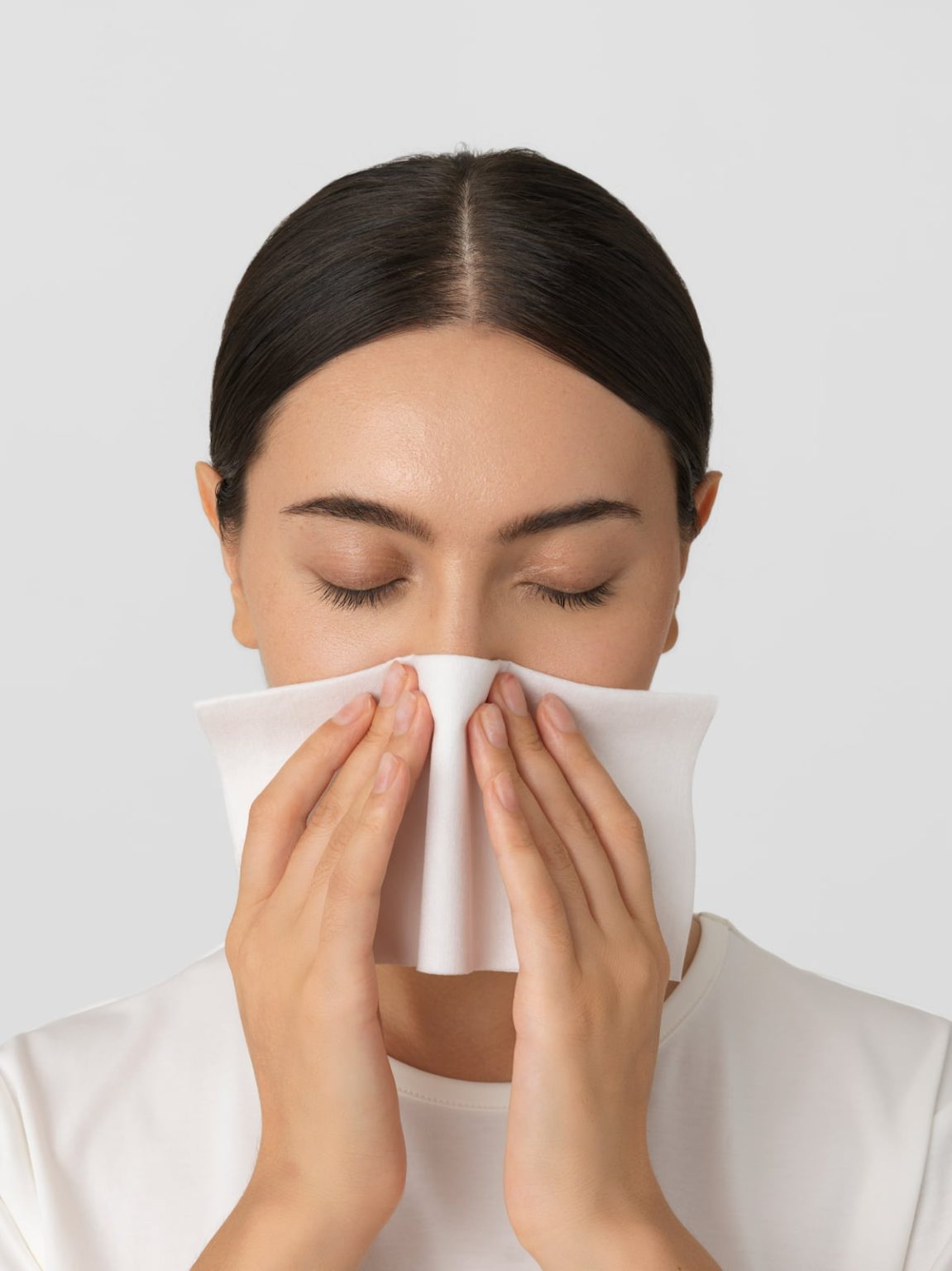
During a cold, nose blowing can become a frequent part of the day. Repeated contact may worsen redness, dryness and tightness. Mechanical friction can then become an additional source of discomfort.
The choice of tissue is therefore worth considering. With its cotton tissues, SolCotton addresses this concern by offering an alternative to conventional paper tissues. However, the issue goes beyond the material itself. Both the frequency and the intensity of each movement can affect the skin.
To help reduce irritation, it is better to dab the nose gently rather than rub the skin. If the area around the nostrils becomes dry, a suitable moisturiser may help restore comfort. It is also advisable to avoid products that could increase burning sensations or tightness.
Cotton tissues can form part of these habits, provided they are well tolerated. If redness persists or becomes painful, a healthcare professional can recommend appropriate care.
Materials as a consideration in your skincare routine
The accessories used every day are sometimes overlooked when building a skincare routine. Yet tissues, wipes and towels regularly come into contact with the skin. Their texture can become particularly important when the skin is already affected by cold weather or repeated friction.
SolCotton also highlights cotton as a natural, renewable and biodegradable fibre. These characteristics contribute to the brand’s positioning. However, they do not establish the overall environmental impact of a product, which also depends on its manufacturing process, packaging and use. The single use format is another factor worth considering.
This broader perspective reflects a simple principle of skincare: adapt your habits to the condition of your skin, avoid excessive friction and choose products that you tolerate well. Improving everyday comfort does not necessarily require a larger collection of products.
Simple habits for greater comfort in winter
With L’Essentiel, SolCotton offers a cotton alternative to conventional tissues. Its range highlights the importance of the materials used in everyday hygiene routines. However, skin comfort depends on several factors, including gentle contact, an appropriate skincare routine and consideration of individual sensitivities.













Follow us on Instagram