Incorporating sex toys into self-love routines promotes reconnection with the body, self-acceptance, and intimate autonomy in everyday life.
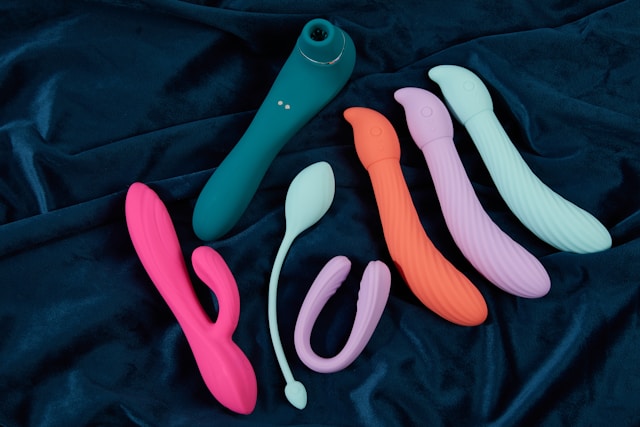
For a long time, personal development has focused on managing the mind, meditation, or taking care of one’s physical appearance. Yet one essential aspect of personal fulfillment has often been overlooked: our intimate relationship with our own bodies.
Today, the concept of self-love is expanding to encompass a holistic vision of well-being, in which sensory exploration plays a vital role. Reclaiming one’s pleasure is no longer a secondary pursuit, but a genuine journey toward self-acceptance, free from external dictates and expectations.
In this process of reclaiming our bodies, pleasure devices have gradually taken on a new status. Far from being seen as mere gadgets or substitutes for a romantic relationship, they are now recognized as genuine tools for self-care.
By allowing individuals to explore their own anatomy at their own pace, without pressure to perform or fear of judgment, intimate accessories serve as a bridge between mind and body. This approach encourages attentive awareness of one’s own needs, strengthens self-esteem, and actively contributes to breaking down the mental blocks inherited from our cultural upbringing.
Cultural normalization in the service of personal well-being
The way we view intimate accessories has undergone a profound transformation in recent years. Once relegated to the shadows, sex toys are now openly incorporated into self-care routines, just like face cream or a yoga mat.
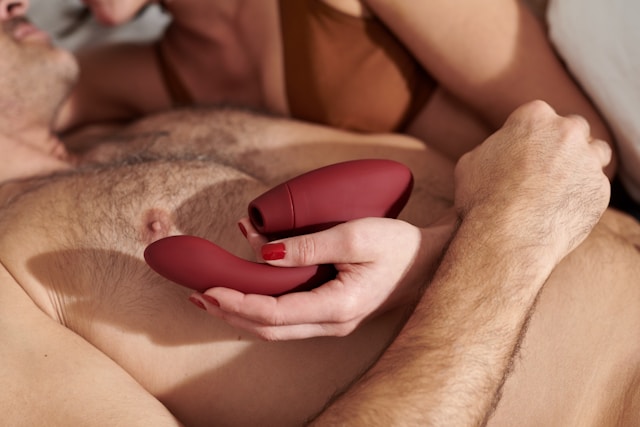
This transition reflects a paradigm shift: the pursuit of individual pleasure is now recognized as a fundamental pillar of mental and emotional health. By embracing these tools, individuals are regaining control over their personal narratives and transforming the exploration of their bodies into an act of self-care.
This societal shift is clearly reflected in recent statistics on intimate consumption. According to Adam & Eve’s 2026 SexReport, 46% of French women now own at least one sex toy, and women even appear to be slightly better equipped than men, at 50% versus 42%.
These data confirm that intimate pleasure devices are gradually and naturally becoming part of daily routines. Their widespread presence in households illustrates a genuine desire to remove the stigma surrounding sensual fulfillment, transforming it into an accessible and valued self-care ritual.
Listening to yourself and freeing yourself from bodily expectations
Incorporating these objects into your daily life helps, above all, to alleviate the performance pressure associated with conventional sexuality. By removing the obligation to achieve a specific outcome, using a sex toy encourages a slower pace and gentle experimentation. This practice re-trains the mind to inhabit the body in a positive way, far removed from the unrealistic standards promoted by media portrayals.
Beyond the purely physical aspect, the uninhibited use of pleasure accessories boosts self-confidence in all areas of life. Gaining a better understanding of one’s desires and knowing what brings us well-being helps us set boundaries more effectively and express our needs more clearly, whether on our own or within a romantic relationship. By learning to pleasure ourselves independently, we develop a solid emotional independence.













Follow us on Instagram