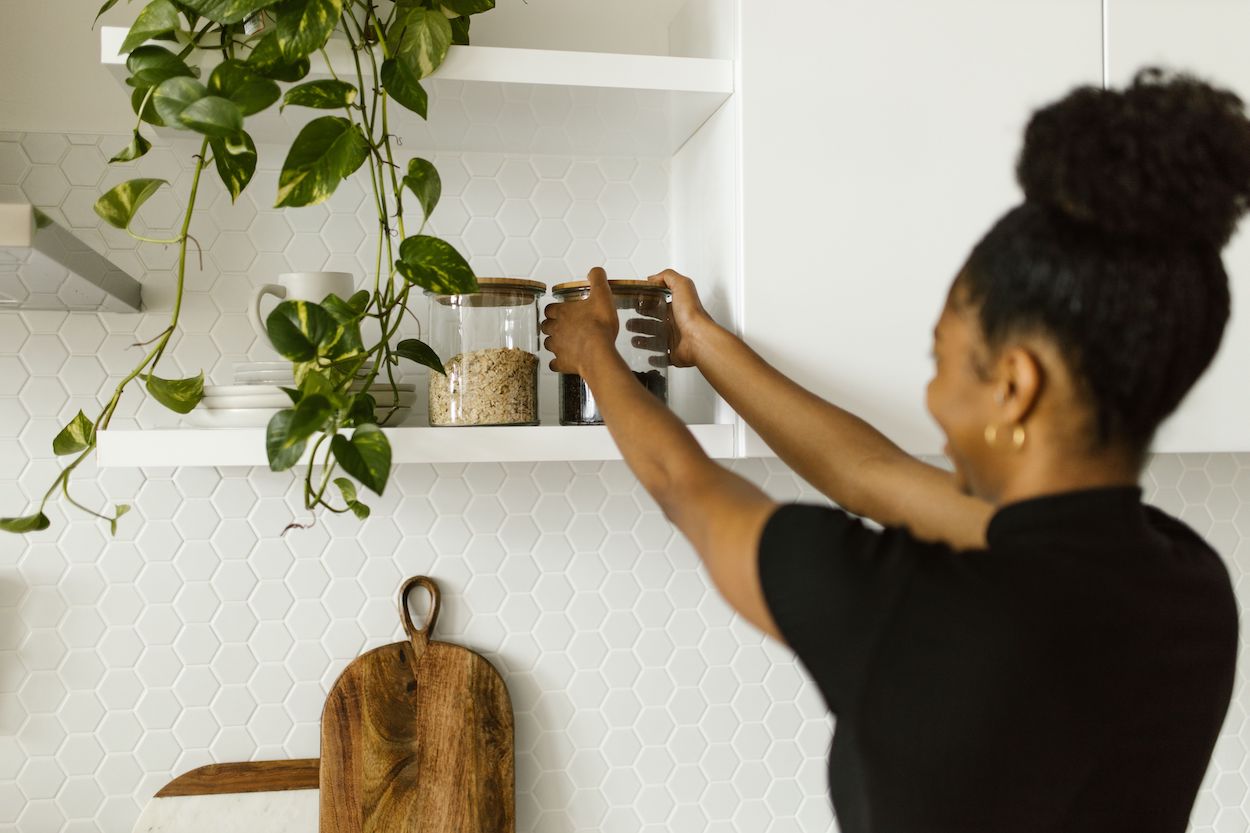
Sometimes, simply putting a few objects back in their place allows the mind to breathe again. Tidying up does more than just transform a space; it also influences our sense of control and balance.
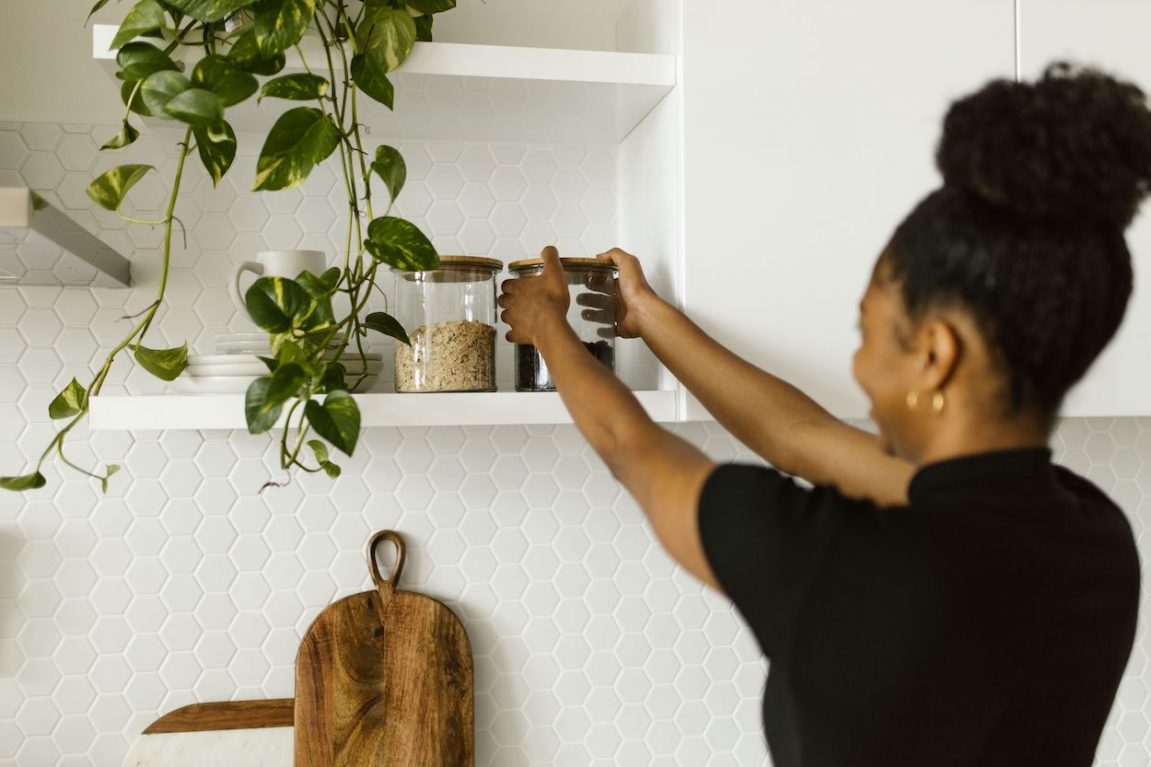
Many of us feel a strange sense of satisfaction after tidying up a room, clearing out a drawer, or organizing a shelf. Yet, this pleasure goes far beyond the mere desire for an aesthetically pleasing home. During times of stress, fatigue, or uncertainty, restoring order to our home often becomes a way to regain a sense of control over our surroundings—a deeply human reflex that speaks volumes about our need for stability.
External order often soothes internal disorder
Our brains are constantly processing information from our environment. A cluttered space creates a multitude of visual distractions and can make it feel as though everything is demanding our attention at once. Conversely, a more organized space fosters concentration and provides a sense of clarity.
Tidying up also yields immediate results. While many everyday problems are beyond our control, moving objects, sorting papers, or clearing out a closet produces a concrete, visible change. This series of small actions boosts one’s sense of self-efficacy and restores the feeling of making progress, even when everything else seems uncertain.

A simple gesture that meets a need for stability
If organizing videos are so successful, it is likely not just because they are satisfying to watch. They showcase a return to order that offers a sense of reassurance. Watching a chaotic space regain a form of harmony creates a feeling of calm—sometimes even without having taken part in the process itself.
The mechanism is similar within our own homes. Tidying up becomes a way to recreate a predictable environment amidst a daily life often marked by the unexpected. It is not about striving for a perfect home, but rather a space where we feel able to move through life with a sense of calm.
Ultimately, tidying up serves as a symbol. Behind every reorganized shelf or decluttered drawer lies not so much a quest for perfection as a need to regain one’s bearings—proof that regaining control sometimes begins with the simplest of actions.

















Follow us on Instagram