How can you find clothes that combine comfort, durability and environmental friendliness for everyday wear? In a world saturated with synthetic materials and planned obsolescence, this question keeps coming up. More and more consumers are turning to natural, sustainable alternatives. Linen, a plant-based fibre that has been cultivated since ancient times, meets these very expectations. But what makes this material so special for everyday use?
The unique properties of flax
Origin and composition of the fibre
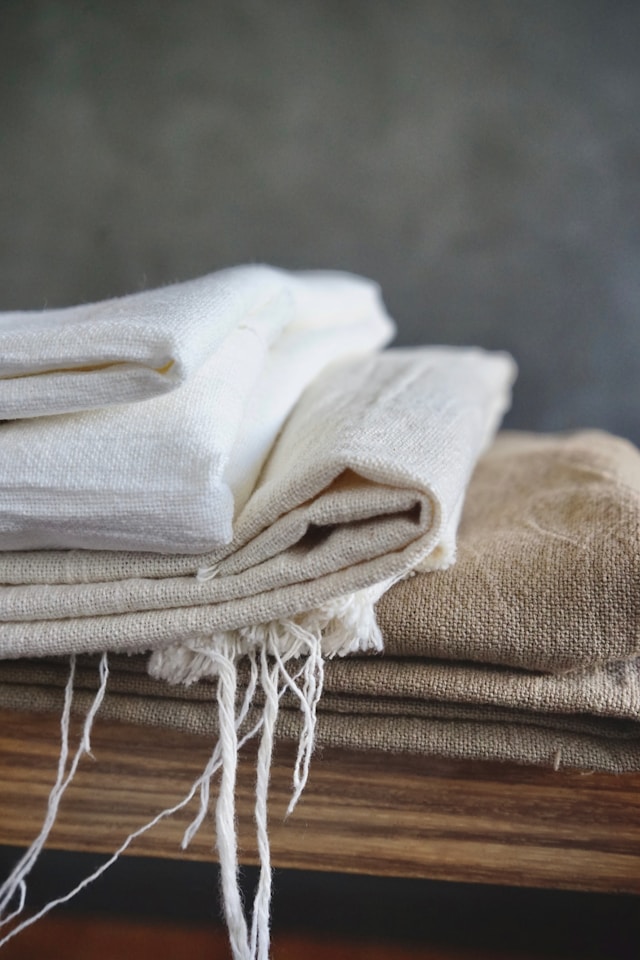
Linen comes from the Linum usitatissimum plant, which has been cultivated for thousands of years for its remarkable fibres. What makes it so special? A hollow cellular structure that gives it exceptional properties. These natural cavities promote air circulation and allow for rapid moisture absorption. This is why it remains the fibre of choice in changeable climates.
Breathability and thermal regulation
Linen excels at moisture management: this fibre can absorb up to 20% of its weight in water without the skin feeling damp. In practical terms, this translates to immediate comfort on hot days. Rapid evaporation creates a natural cooling effect, without any artificial aids.
But this fabric isn’t just for summer. Thanks to its hollow fibres that trap air, it offers genuine temperature regulation suited to the mid-seasons. This lightweight insulation maintains a stable body temperature, whatever the weather. Another little-known benefit: it has natural antibacterial properties that limit the development of odours, without the need for chemical treatments.
Why incorporate linen into your everyday wardrobe
Versatility for all seasons
Linen is often thought of as a summer fabric, but this is a misconception. It adapts remarkably well to different seasons. In autumn, a linen garment can easily be layered under a jacket. In summer, it can be worn on its own to make the most of its cooling properties. Compared to cotton, linen has two major advantages: it dries much more quickly and withstands repeated washing better. As a result, it retains its original shape for longer.
Sustainability and environmental impact
The ecological footprint of linen is a compelling argument for responsible consumption. Its cultivation requires up to five times less water than that of cotton, and generally requires little or no pesticides. This environmental efficiency is accompanied by exceptional mechanical strength. A high thread count, ideally over 150 g/m², guarantees impeccable drape and remarkable longevity.
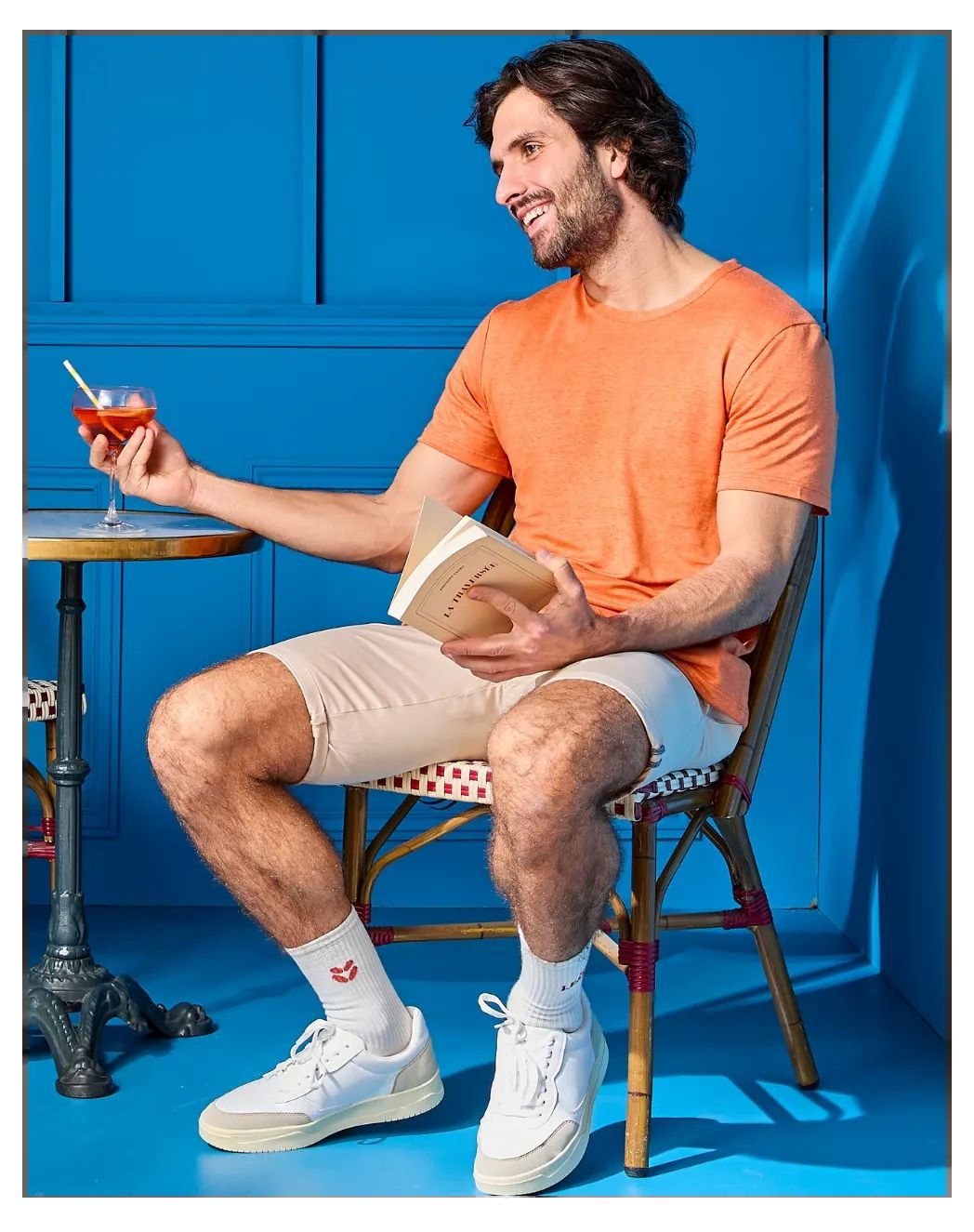
When building a sustainable wardrobe, opting for sturdy, breathable pieces such as a Lemahieu linen T-shirt perfectly illustrates this approach. A high-quality linen garment, worn regularly, retains its appearance and shape even after years of use. Conversely, synthetic fibres degrade rapidly and quickly lose their appeal.
Care instructions and practical tips to maximise longevity
Essential care guidelines
Preserving the qualities of linen requires no special effort. A few simple principles are all that’s needed. A cold wash (maximum 30°C) and air-drying will do the trick. The tumble dryer? To be avoided at all costs. It weakens the fibres and accelerates premature wear. As for ironing, it can be kept to a minimum. Linen develops a natural patina over time and acquires that elegant crease that is part of its charm.
Tips for the best results
Certain common mistakes can shorten the lifespan of linen:
– Over-ironing at high temperatures, which breaks down the fibres
– Using water that is too hot, which stiffens the fabric
– Spinning at too high a speed, which distorts the weave
A little-known tip: soak the garment in water mixed with white vinegar during the first wash. This technique sets the colours whilst naturally softening the fabric. Another interesting point: it becomes more supple after a few washes. Its comfort improves over time rather than deteriorating.
Making the right choices for a linen wardrobe
Building a sustainable linen wardrobe requires considering several key factors. A minimum weight of 150 g/m² ensures a good fit and satisfactory durability. The cut must suit your body shape, as this fabric, which has little stretch, does not forgive sizing errors. Certifications of origin, particularly labels attesting to local production, demonstrate reassuring craftsmanship and traceability.
A responsible approach involves assessing your actual seasonal needs and prioritising quality over quantity. Investing in durable pieces reduces impulse buying, limits environmental impact and encourages the development of an authentic, personal style. This noble fibre, with its exceptional longevity and timeless aesthetic, perfectly embodies this conscious and sustainable approach to clothing.











Follow us on Instagram