The 2026 World Cup is not only the biggest event in world football. This year it has also become a major global fashion showcase.
From player arrivals to official ceremonies, several national teams used the tournament as an opportunity to express their cultural identity through carefully curated outfits. Far beyond traditional team tracksuits, some delegations chose to collaborate with designers and fashion houses to tell a story. Among them, the Democratic Republic of the Congo emerged as the standout style revelation of the tournament.
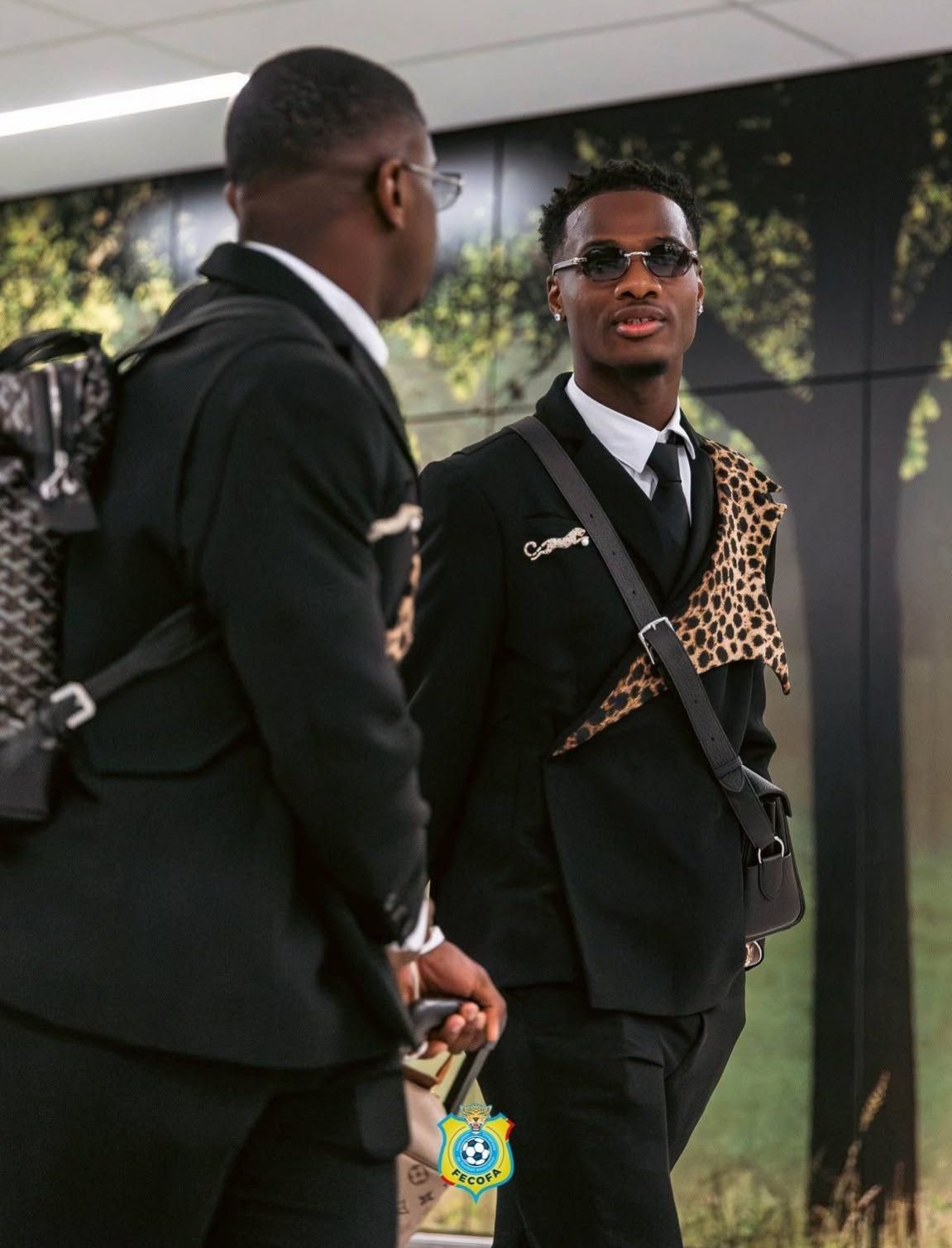
Photo credit : Matthieu Epolo, FECOFA
The Democratic Republic of the Congo, undisputed style leader
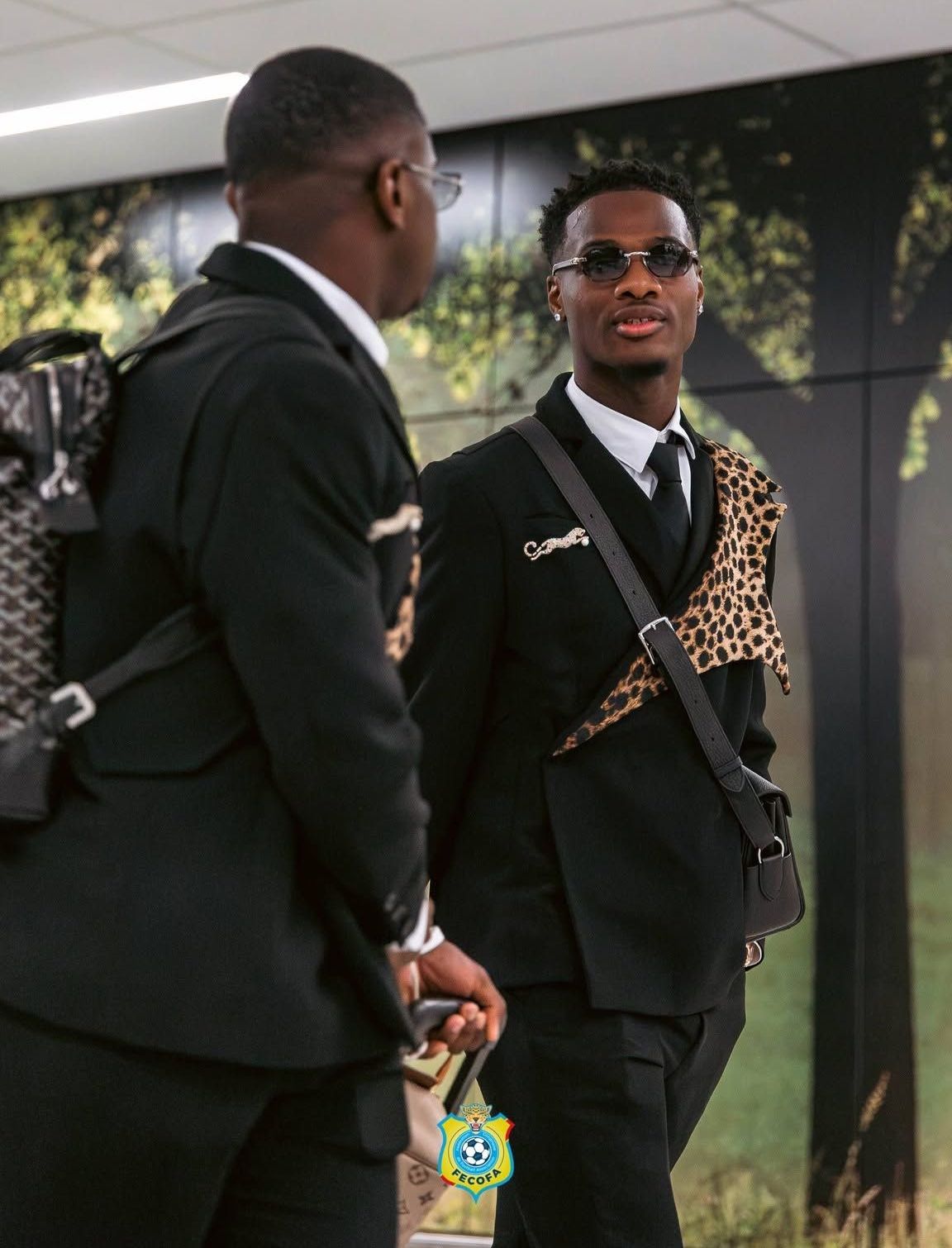
From the moment they arrived in the United States, the Congolese squad captured the attention of both media and social platforms. The Leopards appeared in bespoke black tailored suits designed by Congolese designer Alvin Junior Mak. Each outfit featured leopard inspired detailing, referencing the national team nickname, while paying tribute to the legendary Congolese Sape culture.
Far beyond a simple style exercise, this appearance celebrated Congolese identity. The modern silhouettes, immaculate tailoring and strong cultural symbolism immediately drew admiration from the public. Many observers even described the arrival as one of the most iconic team entrances in recent World Cup history.
The DR Congo demonstrated that a national team can act as a cultural ambassador, showcasing heritage far beyond the football pitch.
France, Ivory Coast and Japan, three interpretations of elegance
While DR Congo dominated the conversation, other nations also made a strong impression through their sense of style.
France embraced understated luxury. Staying true to its reputation for Parisian elegance, the players appeared in impeccably tailored suits accompanied by accessories echoing the world of major French houses such as Louis Vuitton, Hermès and Cartier. The result was a refined, minimalist and contemporary aesthetic that reflects the codes of French luxury.
Ivory Coast focused on cultural expression. The Elephants showcased outfits inspired by Ivorian craftsmanship, blending traditional textiles with modern tailoring by Ibrahim Fernandez. Several commentators drew parallels with the work of iconic designers such as Pathé’O and Loza Maléombho, both known for merging African heritage with contemporary fashion. The result was an authentic and elegant visual statement deeply rooted in national identity.
Japan, meanwhile, confirmed its reputation for aesthetic excellence. The players wore minimalist suits with clean lines, reminiscent of designers such as Yohji Yamamoto, Issey Miyake and Comme des Garçons. Every detail appeared carefully considered, offering a perfect demonstration of Japanese refinement where simplicity and sophistication coexist seamlessly.
Voir cette publication sur Instagram
When fashion becomes a universal language
The 2026 World Cup confirms a growing trend. National teams no longer represent football alone, but also culture, heritage and creative expression. Through their outfits, players become ambassadors of craftsmanship, identity and vision.
While France embodied luxury, Ivory Coast authenticity and Japan aesthetic precision, the Democratic Republic of the Congo will likely be remembered as the ultimate style winner. By placing Congolese culture and Sape heritage at the centre of its presentation, it reminded the world that style can be just as powerful as victory on the pitch.




Follow us on Instagram