Beyond competition, soccer has established itself as a true cultural phenomenon. With its creativity, emotions, and iconic figures, this sport has become a form of entertainment that shapes the collective imagination.

Soccer, much more than just a sport
Soccer is often described as the most popular sport in the world. Yet its success isn’t based solely on results or trophies. For several decades now, it has also established itself as a spectacle capable of bringing millions of people together around shared emotions. Every match tells a story, every player brings their own personality to the field, and certain moments remain etched in the collective memory long after the final whistle.
Over time, some soccer players have thus become true cultural icons. Their influence extends far beyond the stadiums, reaching into fields as diverse as music, advertising, and fashion. Recent collaborations between sports figures and luxury brands illustrate this trend.
The eyewear collection launched by Ronaldinho in partnership with DITA Eyewear is just one example among many, reflecting the creative industries’ growing interest in athletes who have become global icons.
The player as an artist on the field
Throughout history, certain players have stood out for their ability to turn a match into a spectacle. Their approach to soccer is based as much on efficiency as on creativity. They seek to surprise, to innovate, and sometimes even to defy the audience’s expectations.
This artistic dimension is particularly evident in players whose style of play emphasizes improvisation. Their moves sometimes seem inspired by a spontaneity reminiscent of that of performers on stage. In these moments, soccer ceases to be merely a sporting contest and becomes an aesthetic experience.
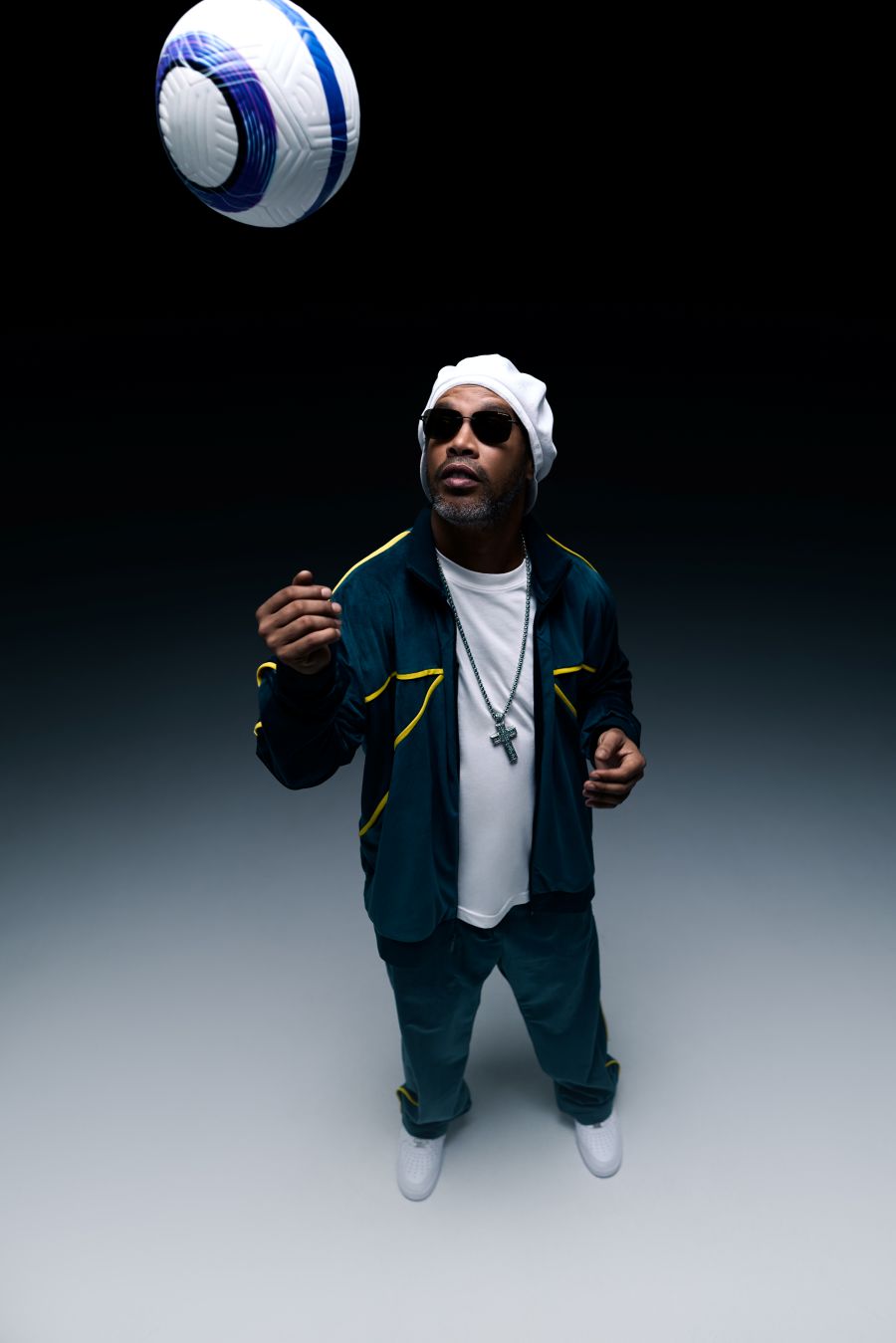
The public, in fact, plays a key role in shaping this perception. Fans remember not only the victories, but also the moments that inspired them. Certain highlights become cultural icons, shared on social media and replayed for years.
An influence that extends beyond the stadiums
As the media has evolved, soccer players have gained unprecedented visibility. They are now followed by international communities that are just as interested in their personalities as in their athletic performances. This popularity helps make soccer a global cultural phenomenon. The hairstyles, fashion styles, or even the expressions used by certain players can quickly become trends.
Major international competitions further reinforce this phenomenon. They offer exceptional visibility to players who sometimes embody the image of an entire country. Soccer thus helps shape a shared collective imagination that extends far beyond national borders.
The spectacle as cultural heritage
The history of soccer is marked by figures who left their mark on their era not only through their talent but also through their ability to stir emotions. Their legacy is measured not only by the trophies they won but also by the memories they left for future generations.
In a society where content circulates rapidly, spectacular moments continue to play a central role. They fuel conversations, inspire young players, and sustain the passion of fans. This ability to evoke universal emotions explains why soccer remains one of the most influential cultural phenomena of our time.
Beyond the final score, it is often the beauty of a move, the boldness of a play, or a player’s personality that stays in people’s memories. Soccer thus becomes much more than a sport: a live spectacle that reflects human creativity and its ability to bring people together.














Follow us on Instagram