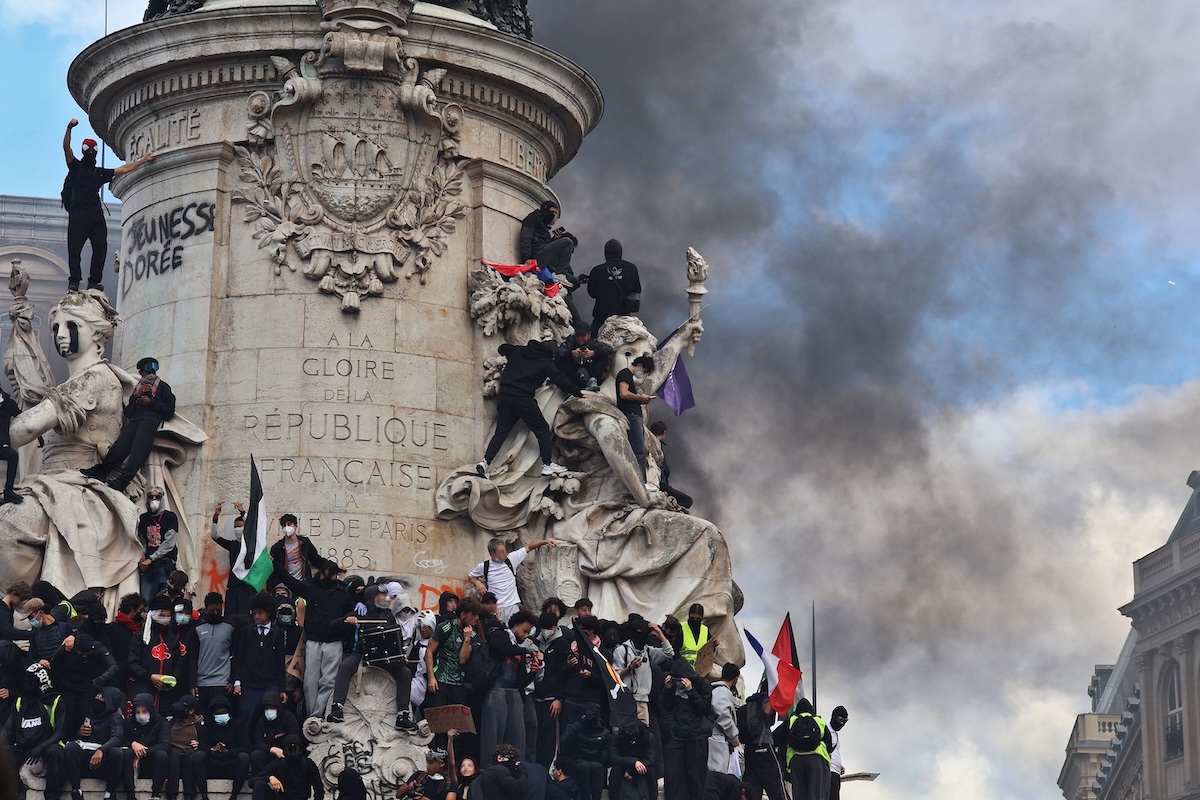
On 17 October 2026, France witnessed a new wave of social mobilisation bringing together secondary school pupils, university students, trade unions and figures associated with the Yellow Vests movement.
At the heart of these protests were several overlapping concerns, including the cost of living, learning conditions, access to public services and future prospects. Behind these sometimes differing demands lies a central question: why are young people once again taking to the streets to make their voices heard?

A generation concerned about its future
The student movement has emerged against a backdrop of concerns about education and future career prospects. Teacher shortages, the deteriorating condition of some schools, class sizes and difficulties with educational guidance have all fuelled criticism among pupils.
For many young people, education is a crucial step towards independence and entering the workforce. When learning conditions are considered inadequate, confidence in the opportunities offered by the education system can also be undermined. Protests then become a way of expressing concerns that extend beyond the school gates.
The cost of living as common ground between generations
While secondary school pupils’ demands primarily concern education, the Yellow Vests movement historically developed around purchasing power, fuel prices and a sense of social injustice. Since emerging in 2018, its members have also raised questions about political representation and regional inequalities.
In October 2026, the rising cost of living and concerns about public services have encouraged closer links between different groups of protesters. Young people are also affected by the cost of transport, food and housing, as well as the challenges of achieving financial independence.
This convergence does not mean that all generations share the same priorities. Nevertheless, it highlights common concerns about living conditions and the ability to look towards the future with greater security.
From social media to street protests
Social media now plays an important role in organising social movements. TikTok, Instagram and online messaging services allow calls to protest to spread rapidly, personal accounts to be shared and demonstrations to be coordinated.
The October mobilisation illustrates how demands can circulate beyond traditional trade union structures. Calls to join the demonstrations have helped bring together secondary school pupils, university students and participants from other social movements.
However, this form of digital organisation has its limitations. The rapid spread of information can make it difficult to verify meeting points and instructions. Above all, bringing people together around a shared sense of dissatisfaction does not necessarily lead to a common programme or a lasting strategy.
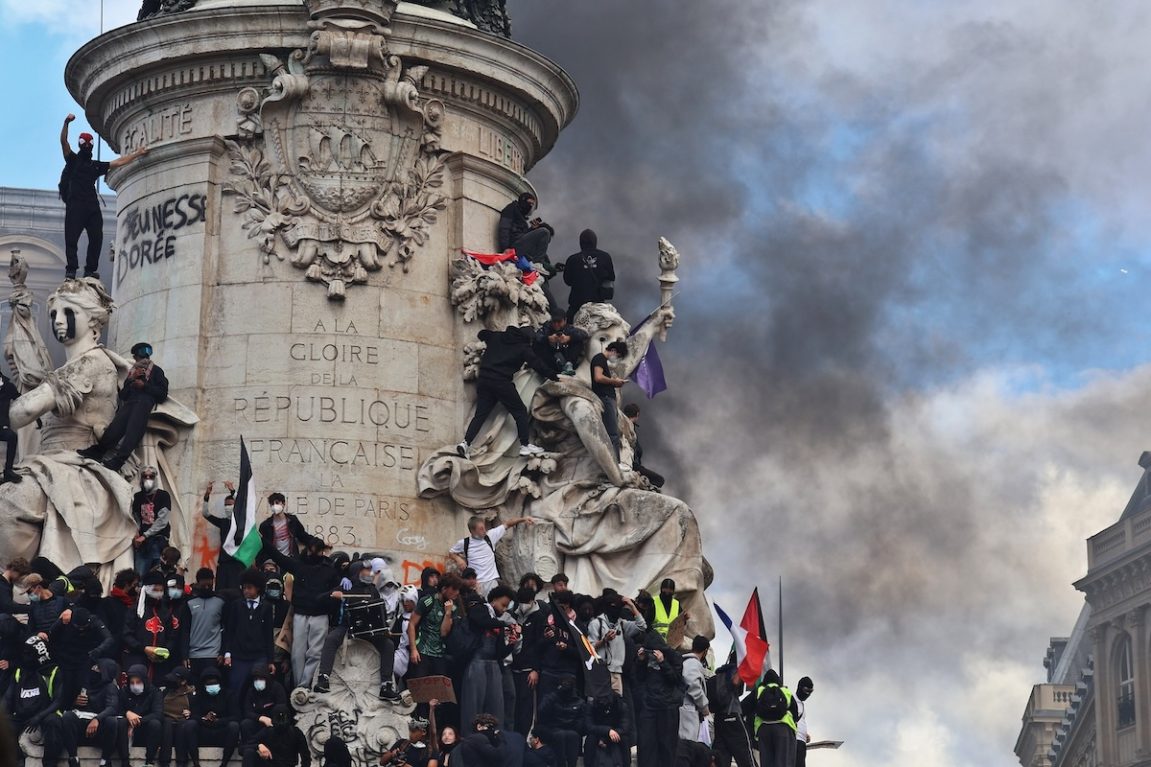
A convergence of struggles that is difficult to sustain
Bringing different generations together on the streets is one thing, but sustaining a collective movement presents another challenge. Secondary school pupils are seeking answers on teaching conditions and educational guidance, while the Yellow Vests and trade union organisations place greater emphasis on purchasing power, wages and public services.
These differences can enrich public debate, but they can also make the movement’s demands less clear. The participants’ ability to establish common objectives, identify representatives and secure concrete responses will partly determine how the movement develops.
Violence and damage to property reported in some cities also raise concerns. Such incidents should not overshadow the diversity of participants or the demands expressed through peaceful protest. Distinguishing peaceful demonstrations from acts of violence remains essential to understanding events without reducing the entire movement to isolated incidents.
A generation calling to be heard
From secondary school pupils to the Yellow Vests, the mobilisations of October 2026 reflect an encounter between different forms of social discontent. Concerns about education, economic hardship and expectations of social justice reveal areas of common ground without erasing the differences between the movements.
For young people, taking to the streets is a way to make their concerns visible and demand answers. The question remains whether this mobilisation can lead to concrete and lasting commitments. Beyond the demonstrations themselves, the events raise questions about the ability of institutions to listen to young people and respond to their expectations.
Photos credits: @pianchparis















Follow us on Instagram