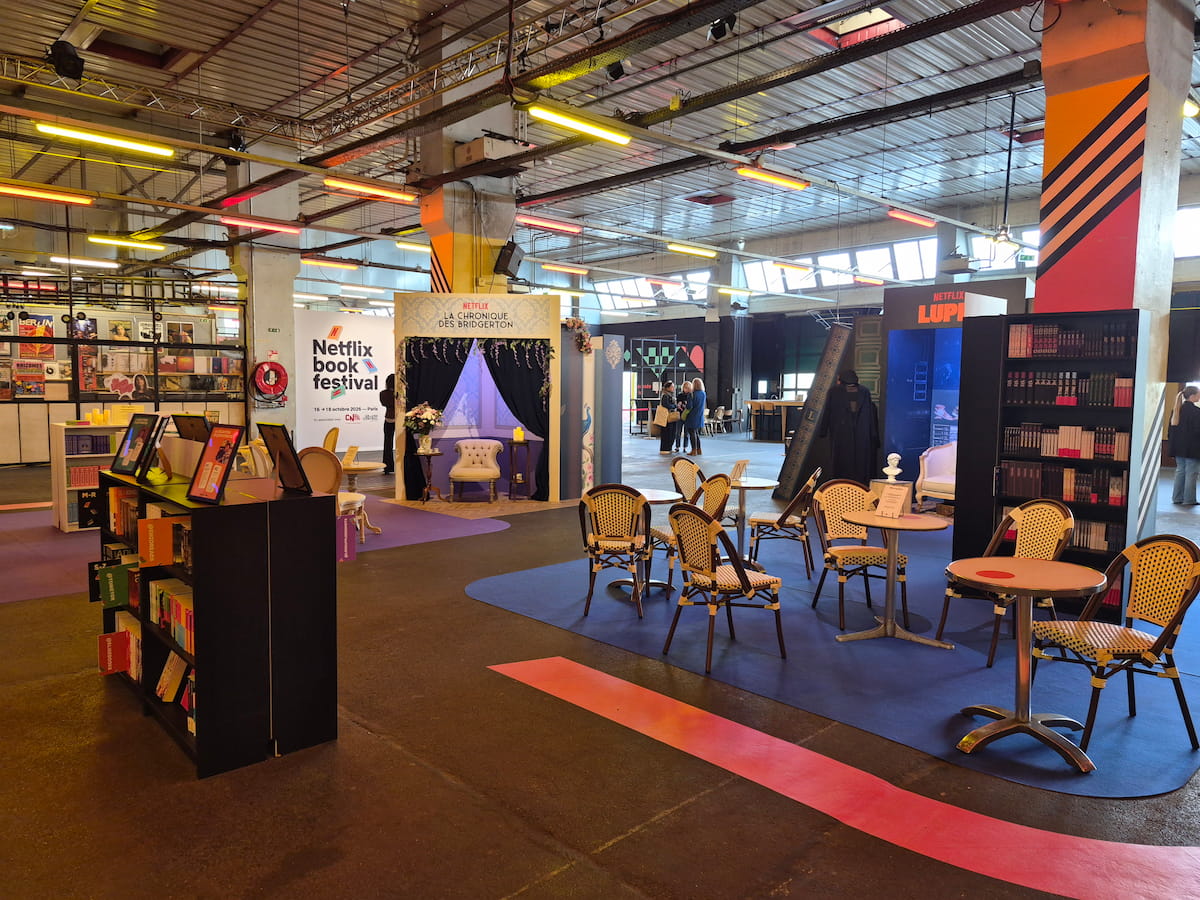
From novels adapted into series to manga brought to the screen, literary adaptations are playing an increasingly prominent role in popular culture. In Paris, the Netflix Book Festival explores how stories move between formats and how this may influence our reading habits.
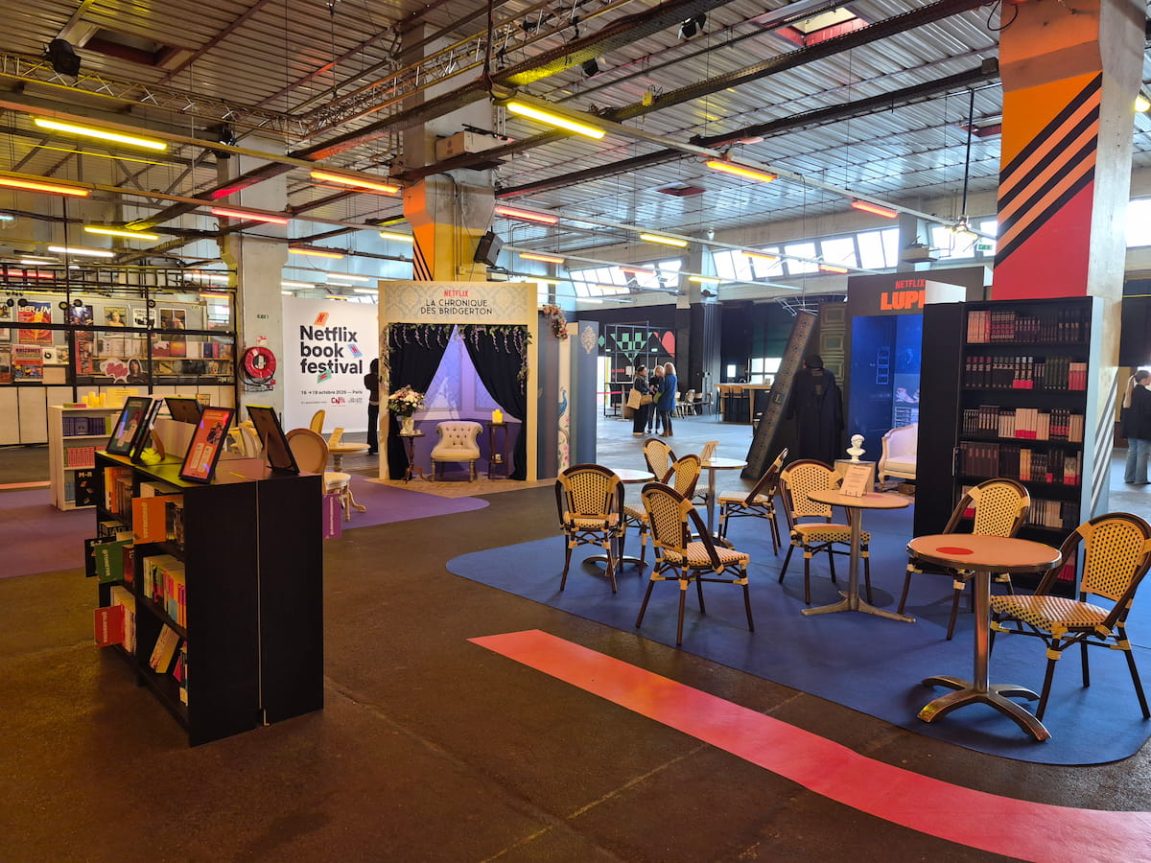
Books and screens are becoming increasingly interconnected. On 16 October 2026, at the launch of the Netflix Book Festival in Paris, this relationship took centre stage through literary discussions, readings and spaces dedicated to adapted works. Beyond the event itself, a broader question emerges: how are series, films and animation changing the way we discover literature ?
The Netflix Book Festival reflects a cultural shift
At Ground Control in Paris, literature meets the world of audiovisual entertainment. Organised by Netflix France in partnership with the French National Book Centre (CNL), the festival brings together authors, publishing professionals and culture enthusiasts to explore the connections between books and screens.
The programme illustrates this diversity. Olivier Norek is invited to discuss his novel Dans les brumes de Capelans, which is set to be adapted into a series. Musical readings draw on Bridgerton and You. A drawing workshop dedicated to One Piece also extends the discussion to manga and its screen adaptations.
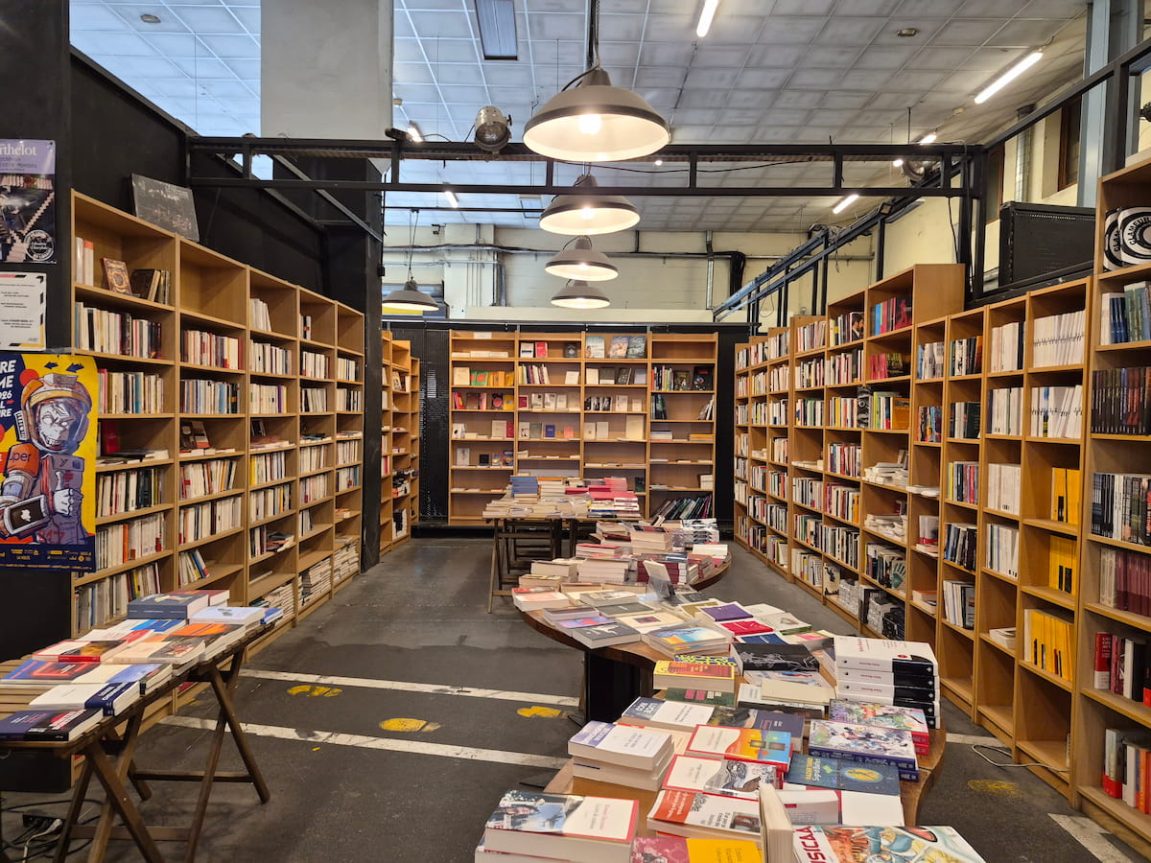
An immersive pop up library also brings together more than 500 titles, from novels to comic books. The initiative highlights a growing trend: fictional worlds familiar to audiences through the screen can also lead them to the books that inspired them.
The festival is therefore about more than celebrating adaptations. It showcases how stories move between different formats.
Literary adaptations as a gateway to reading
Can a series encourage people to pick up a book? The success of an adaptation can bring a literary work back into the spotlight. It can draw attention to an author or encourage viewers to discover the original story.
Netflix reports that its literary adaptations generated more than nine billion views worldwide in 2025, accounting for nearly 20 per cent of all viewing hours on the platform. These figures demonstrate the importance of adaptations within its audiovisual offering. However, they do not directly measure their impact on book sales or reading habits.
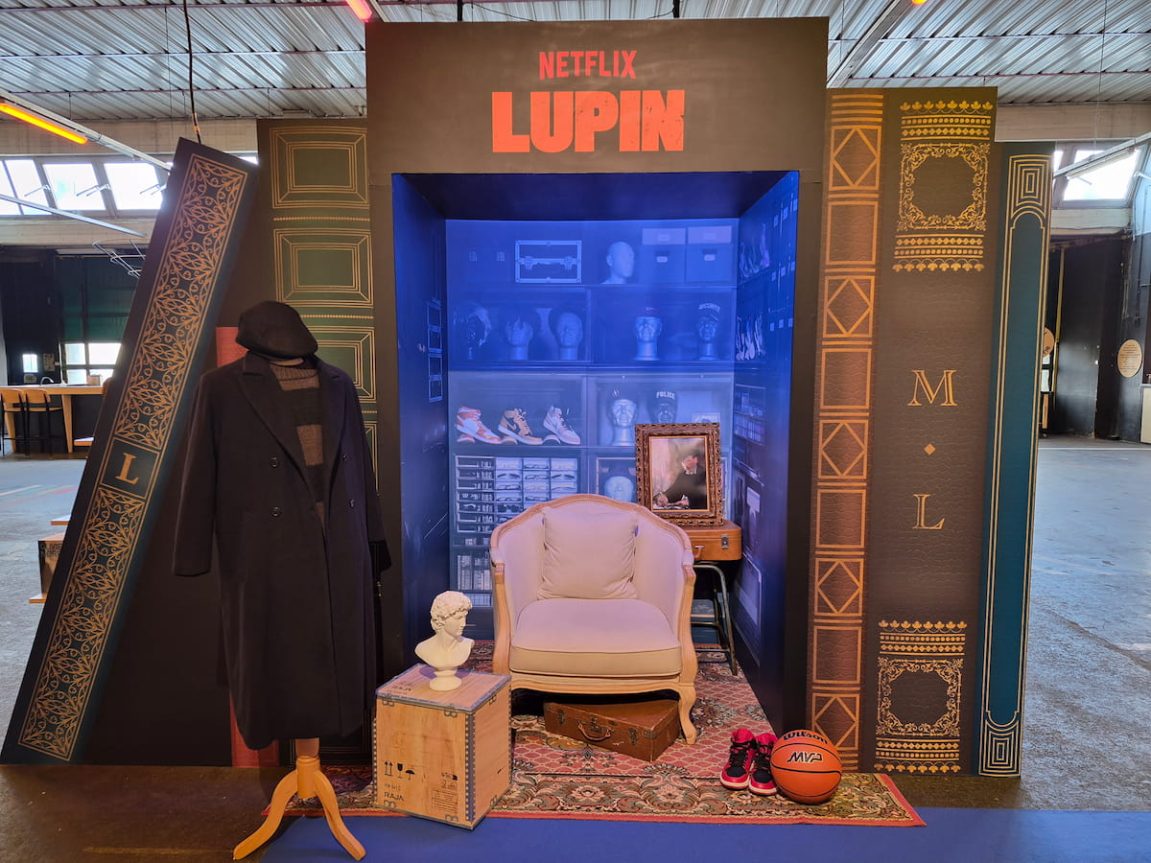
The trend extends beyond contemporary novels. Classics, romance novels, manga and graphic novels also provide material for audiovisual productions. This diversity helps bring together audiences with different cultural interests.
It remains to be established whether discovering a story on screen leads people to read the original work. The festival highlights this possibility, but its actual impact will need to be assessed using additional data.
Between cultural transmission and commercial interests
This growing relationship also raises questions. For publishers and authors, an adaptation can give a book renewed visibility. For streaming platforms, literary works provide stories that can be reimagined and distributed to large audiences.
These interests can overlap without necessarily being identical. The popularity of a series may encourage readers to rediscover a novel. It may also concentrate attention on already well known titles, leaving less exposure for works that receive less media coverage.
Adaptation also involves transformation. Bringing a story to the screen requires narrative and visual choices, and sometimes reinterpretation. A book and its adaptation therefore do not necessarily offer the same experience.
At the Netflix Book Festival, the presence of books alongside audiovisual productions highlights this ambiguity. Literature gains new opportunities for exposure, while its visibility becomes increasingly connected to a cultural landscape shaped by streaming platforms.
Books and screens in a changing relationship
Literary adaptations are now part of the conversation between publishing, audiovisual entertainment and popular culture. The Netflix Book Festival offers a tangible illustration of this development. However, it remains difficult to measure the extent to which this exposure translates into increased reading.
The question is therefore not whether books or screens will prevail. It is how these formats coexist and influence our cultural habits. A story may begin on screen, but its journey does not necessarily end there.




Follow us on Instagram