
Brushing your teeth twice a day does not always guarantee thorough oral health. The spaces between the teeth, which are difficult to reach, require special attention. This is a practice that is still not very common amongst the French.
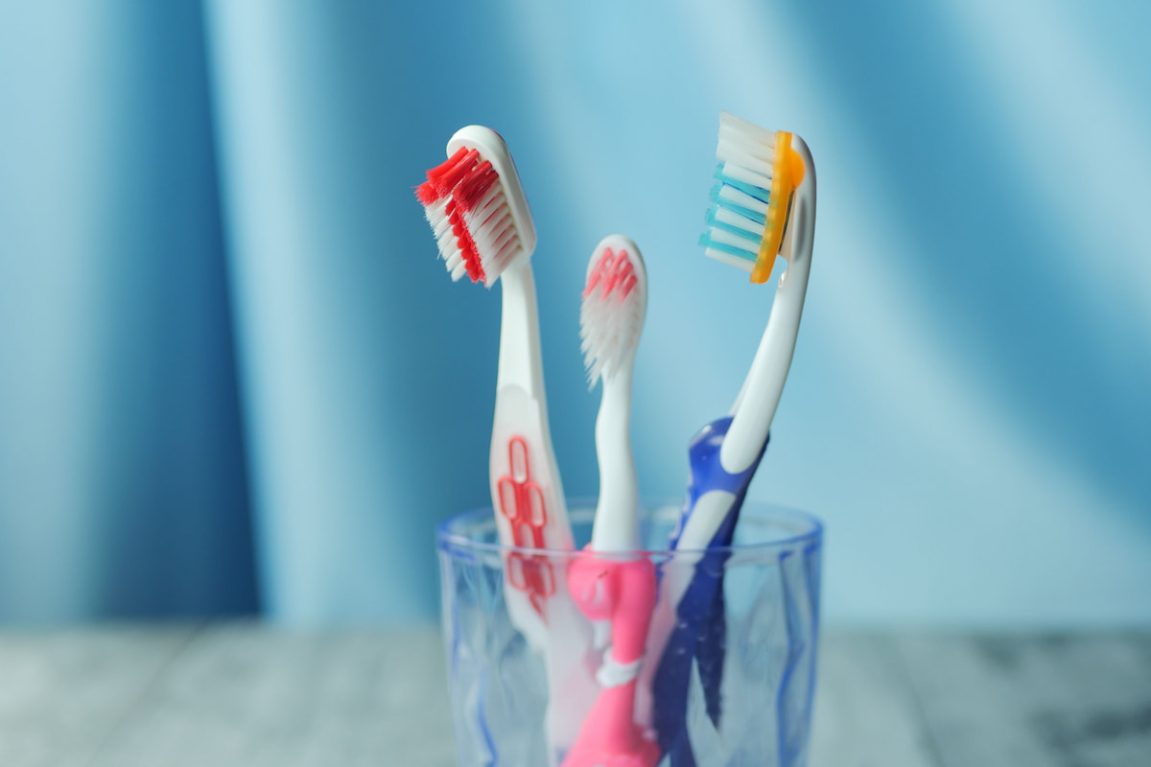
Brushing your teeth is an essential daily habit. However, some areas of the mouth are often neglected. As dentists increasingly recommend interdental cleaning, it is worth understanding why this additional step matters and how it can help maintain good oral health.
Brushing alone does not clean every tooth surface
Brushing is the foundation of good oral hygiene. It helps remove plaque and food debris from accessible tooth surfaces. However, a toothbrush cannot reach every area of the mouth.
Each tooth has five surfaces. Three can be cleaned effectively with a conventional toothbrush. The remaining two are located between neighbouring teeth. According to Dr Chau, a dental surgeon quoted in a press release from Sunstar, these areas account for approximately 40% of the total tooth surface.
This anatomical feature explains why plaque can build up in areas that are often missed during daily brushing. Plaque also begins to reform within hours of brushing. If it is not removed regularly, it can contribute to tooth decay and gum problems.
Gingivitis is one of the first warning signs. It can cause red, swollen gums that bleed easily. Without appropriate care, inflammation can progress to periodontitis, which affects the tissues supporting the teeth.
Good oral hygiene therefore depends on more than brushing frequency. It also requires attention to areas that are harder to reach.

Interdental cleaning remains uncommon in France
Despite recommendations from dental professionals, cleaning between the teeth has yet to become a daily habit for many people.
A pilot study conducted in January and February 2026 among 197 French dentists found that 82% frequently recommend interdental cleaning to their patients. However, according to another part of the study shared by GUM, only 42% of French people reported using an interdental cleaning product within the previous three months.
The difference is also noticeable across Europe. This figure reaches 68% in Denmark, 72% in Norway and 75% in Sweden. France therefore has some way to go when it comes to adopting these preventive habits.
These figures raise questions about how professional advice translates into everyday behaviour. Knowing that a particular habit is beneficial does not necessarily mean putting it into practice regularly.
Several factors may explain this gap, including a lack of awareness, difficulty using certain accessories or the belief that conventional brushing is sufficient. Interdental cleaning can also feel like an unnecessary extra step for those who have never included it in their routine.
The European Federation of Periodontology recommends cleaning between the teeth at least once a day, before brushing. The aim is to reduce plaque build up in areas that are difficult to reach with a toothbrush alone.
Dental floss, interdental brushes and picks: how to choose?
Interdental cleaning involves several types of accessories. The most suitable option depends on the size of the spaces between the teeth, gum health and individual dexterity.
Dental floss is particularly suitable for very narrow spaces. However, using it correctly requires some practice to clean effectively without irritating the gums.
Interdental brushes are designed for spaces wide enough to accommodate them. They are available in different sizes and are often recommended for people with existing gum problems or periodontal conditions.
Rubber interdental picks offer another option. Their straightforward handling can make them easier to use for people who are new to interdental cleaning.
This variety is reflected in the products available on the market. GUM, an oral care brand belonging to the Sunstar group, offers products such as Soft Picks Pro, Bi Direction interdental brushes and Slim Floss. These examples illustrate the different approaches available depending on individual needs.
However, choosing an accessory should not be based solely on its convenience or ease of use. An unsuitable product may cause discomfort. Consulting a dentist remains important to identify the most appropriate option.

Rethink your routine to protect your smile
Oral hygiene involves more than brushing your teeth every day. Interdental spaces account for a significant proportion of the tooth surface and require specific attention.
The gap between dentists’ recommendations and everyday habits in France highlights the need for greater awareness. Including interdental cleaning in a daily routine can provide an additional preventive measure, depending on individual needs.
Beyond the appearance of a smile, looking after your teeth and gums means paying attention to areas that are often overlooked. A simple habit that deserves a place in everyday oral care.













Follow us on Instagram