Fashion without gender boundaries are establishing themselves as a contemporary cultural language, rethinking silhouettes, narratives and our relationship with clothing.
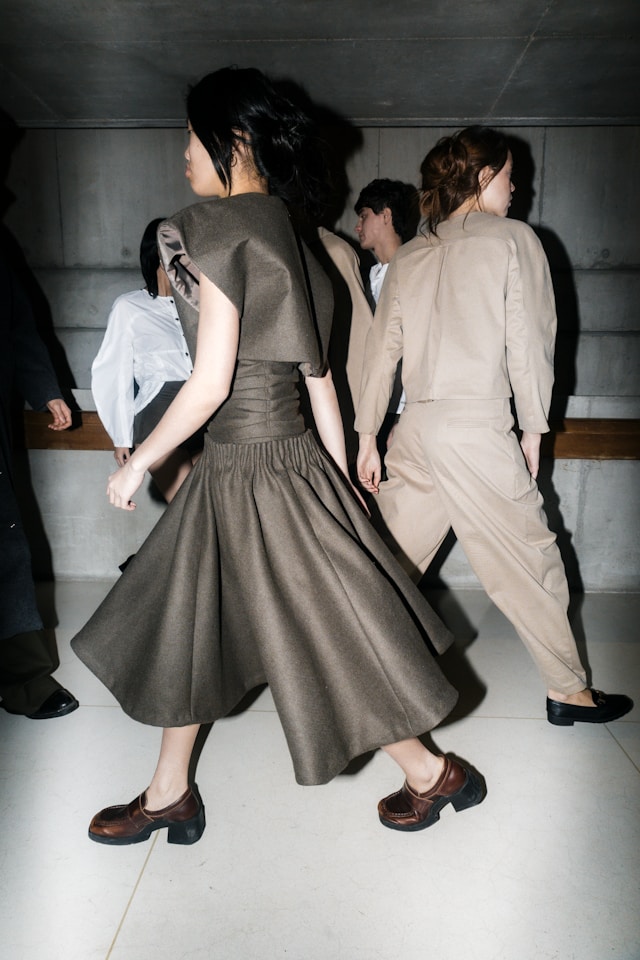
Fashion as a reflection of gender deconstruction
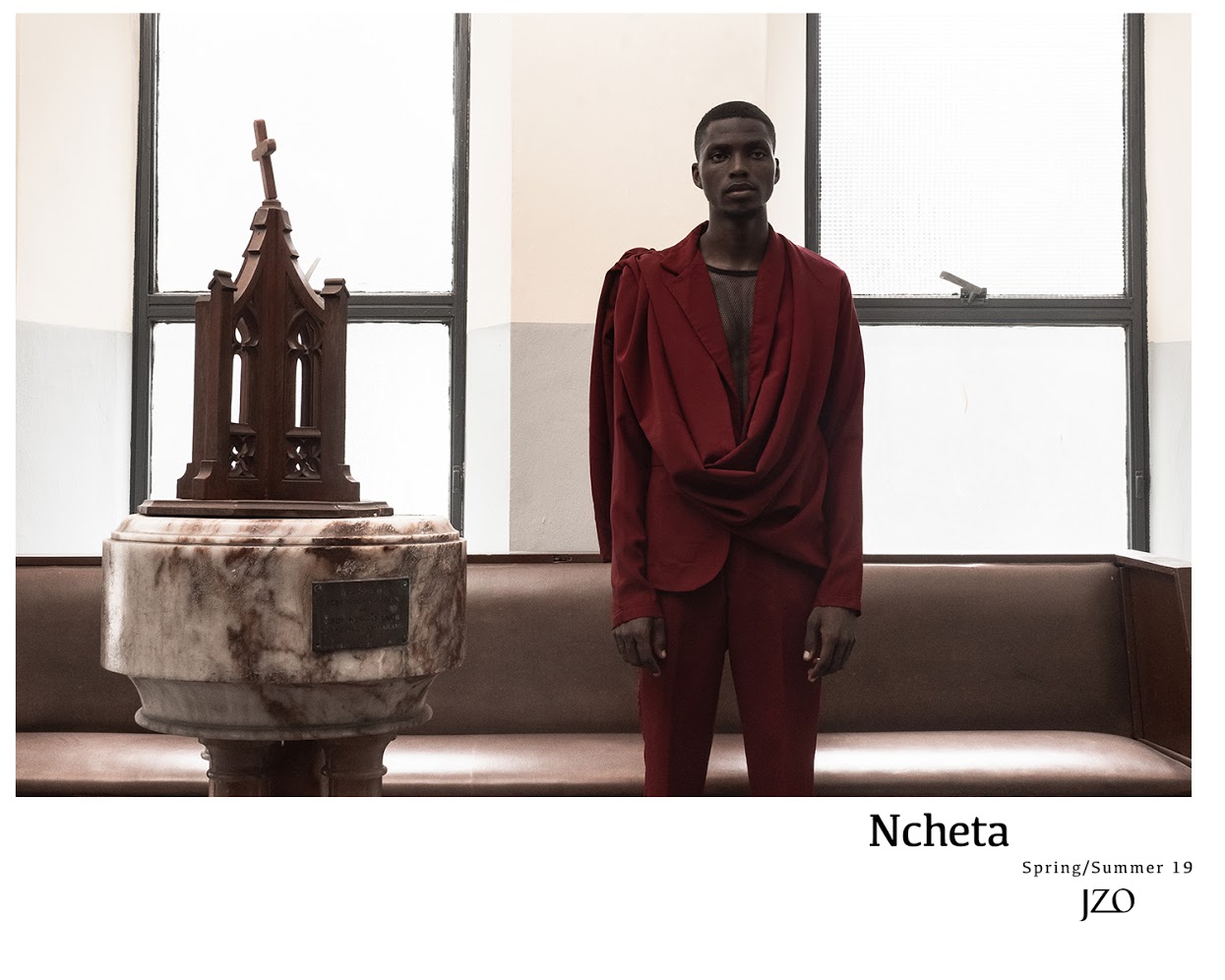
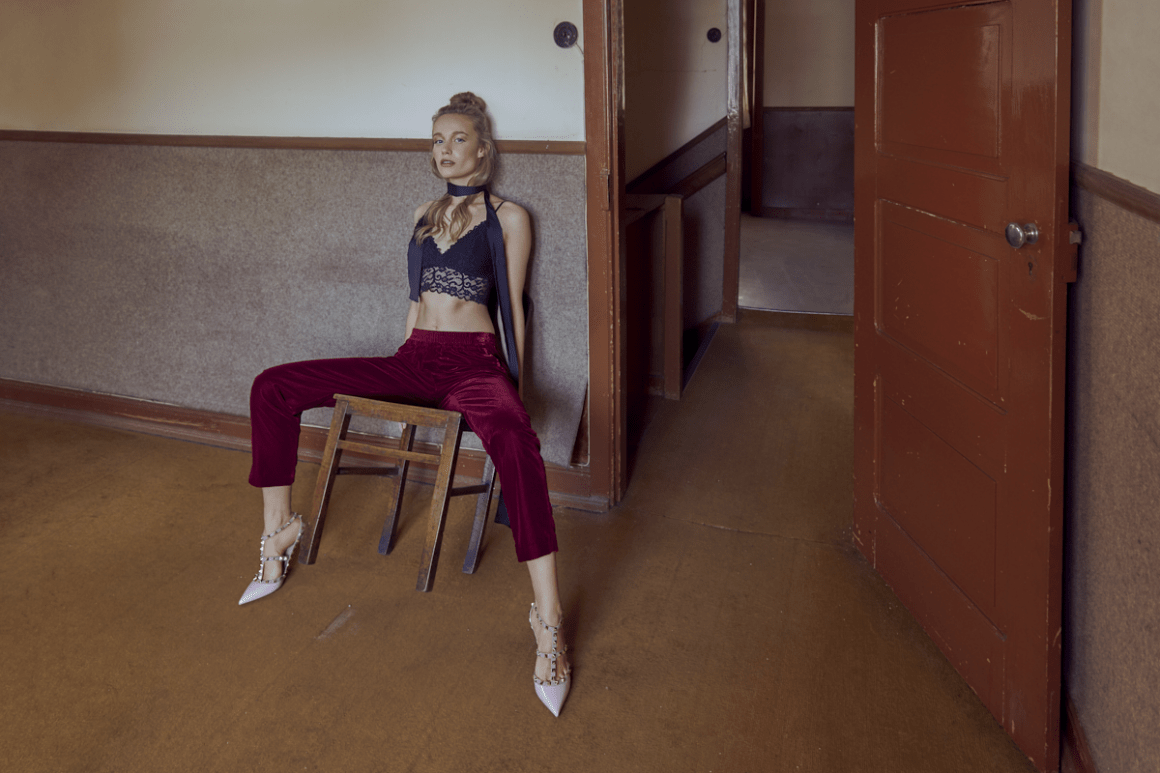
The issue of gender now permeates all cultural fields, and fashion is no exception. For several seasons now, the once strict boundaries between men’s and women’s wardrobes have been blurring, giving way to a more fluid, freer style that is more representative of contemporary identities. This movement goes far beyond an aesthetic trend; it reflects a profound change in attitudes.
Long structured around rigid categories, fashion has contributed to the construction of gender norms. Cuts, materials, colours and uses were codified, assigning bodies to specific roles. Today, these benchmarks are wavering. Designers are questioning these legacies and proposing silhouettes that no longer seek to distinguish, but to bring together.
Towards a style of dress free from norms
Clothing thus becomes a space for personal expression, free from social expectations. It no longer defines who we are supposed to be, but accompanies who we choose to become. It is in this dynamic that certain fashion houses are reinventing their formats and narratives.
During the presentation of its FW26 collection in Amsterdam, G-STAR offered a continuous fashion show bringing together male and female silhouettes around a common denim language, presented at RAWFACTORY, its global headquarters. This choice illustrates a desire to think of clothing as a narrative whole, beyond gender categories, emphasising function, material and the evolution of design.
When clothing ceases to categorise
Gender-neutral fashion is based on a simple principle: clothing has no gender; only its use gives it one. This approach frees design from unnecessary constraints and opens up a wider field of exploration. Silhouettes become more flexible, volumes are transformed, and pieces become modular and adaptable to different body types.
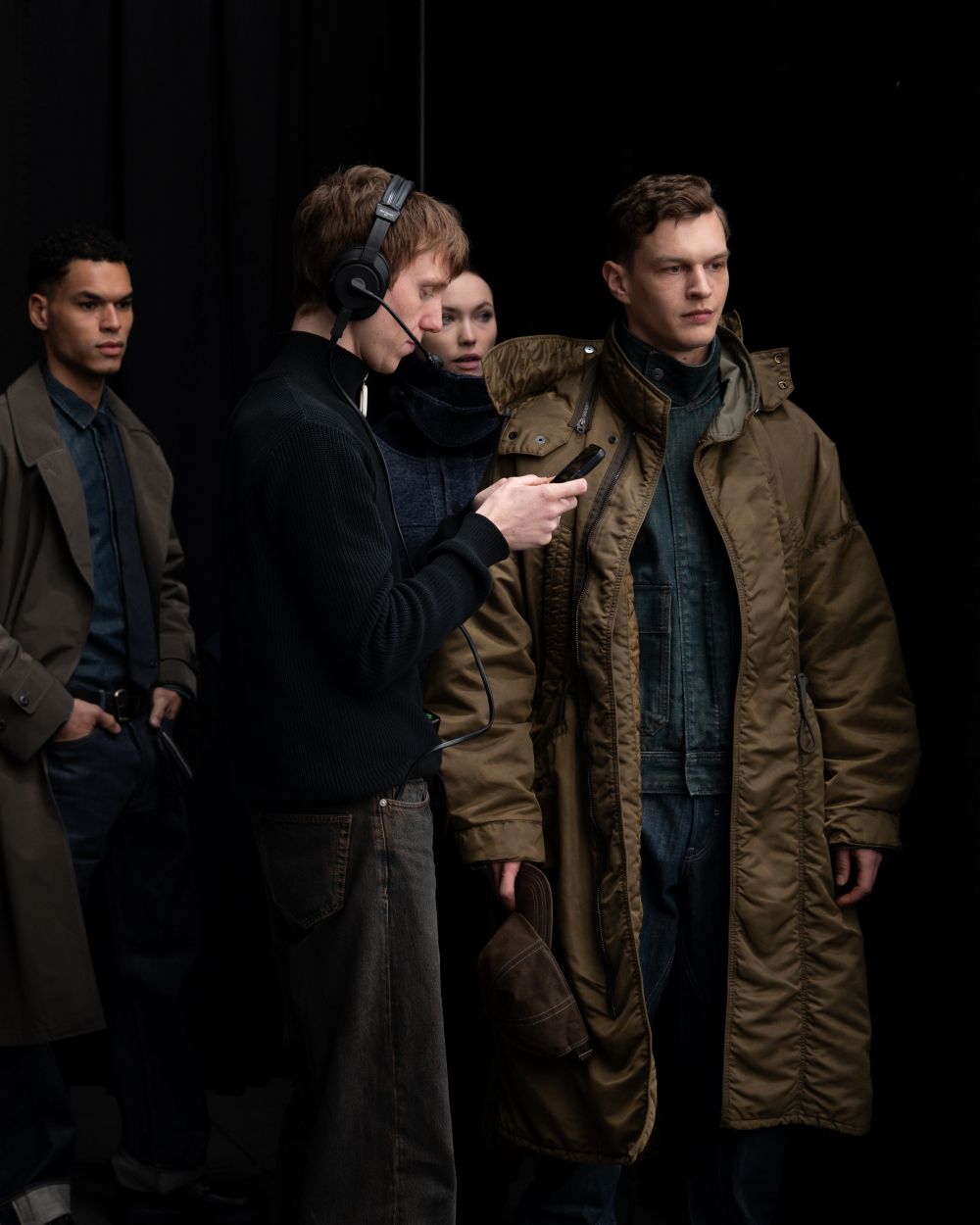
In this logic, clothing is no longer thought of in terms of opposition, but rather continuity. A jacket, jeans or coat are no longer associated with a specific gender, but rather with a function, an intention, a lifestyle. This apparent neutrality does not erase identity on the contrary, it makes it more personal.
A cultural response to multiple identities
By offering clothing that adapts to these trajectories, fashion becomes a tool for support rather than a normative framework. This phenomenon is particularly noticeable among younger generations, for whom style is above all a means of individual expression. Freedom of dress allows people to express themselves differently, without justification or assignment. Clothing becomes an intimate language, capable of translating states of mind rather than roles.
Storytelling rather than separation
Abandoning the strict distinction between men and women also allows us to rethink the way collections are presented. Mixed fashion shows, continuous shows and unified narratives are gradually replacing segmented formats. This approach promotes a more fluid interpretation of design, where each piece is part of an overall story.
Fashion is thus moving closer to other cultural disciplines, such as cinema and literature, by constructing coherent narratives rather than visual oppositions. Clothing is no longer isolated: it is part of an overall vision.
Towards a more inclusive and sustainable fashion industry
Gender-neutral fashion is finally paving the way for more responsible design. By reducing artificial segmentation, it limits the proliferation of collections and encourages more thoughtful consumption. Pieces become more sustainable, both aesthetically and symbolically.
Beyond the fashion effect, this approach reflects a paradigm shift: fashion no longer seeks to define, but to accompany. It is part of a cultural approach where clothing becomes a space for freedom, dialogue and personal expression.







Follow us on Instagram