
For decades, the eyewear market was dominated by a few major groups that owned the brands, the factories, and sometimes even the distribution networks. As a result, many shops stocked more or less the same products. In recent years, however, the landscape has been shifting. A new generation of independent brands is making its mark, bringing with it a fresh approach to eyewear.

Eyewear: a new fashion accessory in its own right
The primary driver of this trend is the changing status of eyewear. Long viewed merely as a medical device or a simple beach accessory, glasses have become a style statement on par with a handbag or a pair of sneakers. People no longer own just one pair; they switch them up depending on the season, their mood, or their outfit.
The figures confirm this: according to the National Consumer Institute, 71% of French people own at least one pair of sunglasses. It is, therefore, a mass market—yet one where a growing number of consumers are now looking to stand out.
Fewer logos, more design
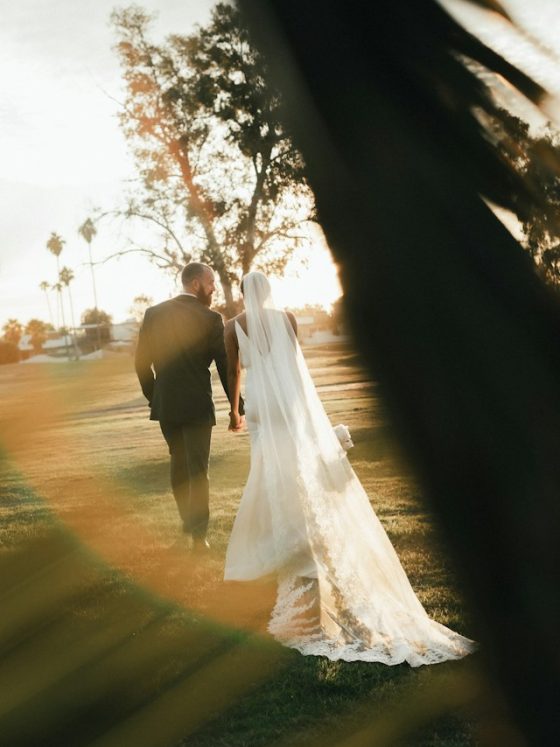
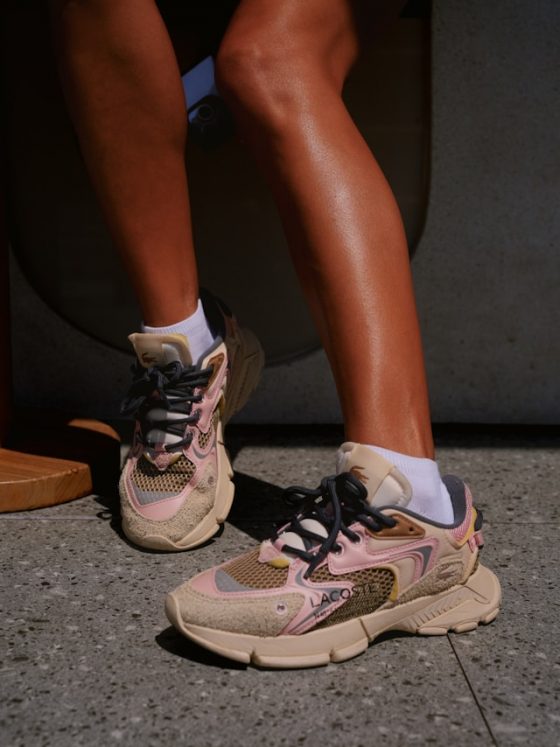
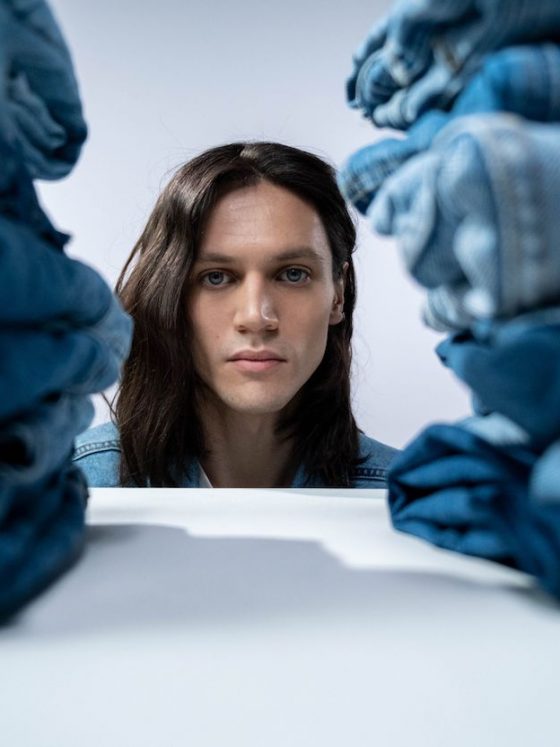
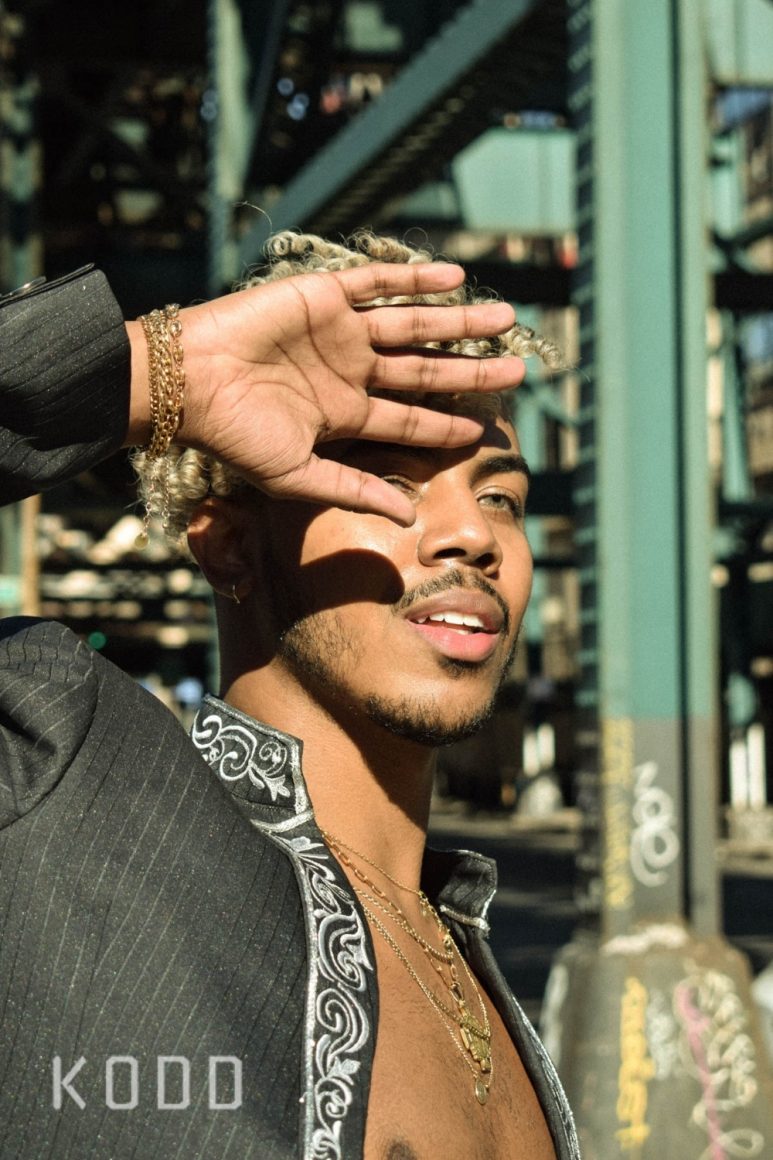
A second major trend is the growing weariness with “logomania.” A segment of the public—particularly design-conscious urbanites—is turning away from ostentatious logos in favor of understated yet carefully designed pieces. Independent brands are meeting this demand with curated collections, sophisticated silhouettes, and strong visual identities—often conceived as a cohesive whole, spanning everything from the frames themselves to the advertising photography.
This aesthetic coherence has become a key selling point. On social media, these brands convey a lifestyle or world rather than simply selling a product; they use color palettes, lighting, and atmosphere to build a community around the brand.
The independent optician back in favor
A third development—more subtle yet pivotal—is the alliance between independent brands and independent opticians. Facing competition from major chains, these opticians seek to differentiate themselves by offering collections not found elsewhere. Meanwhile, emerging brands gain a valuable physical showcase through this network, providing the opportunity for customers to try on frames and receive expert advice—services that online sales cannot match.
For the customer, the benefit is twofold: access to original designs combined with professional fitting and lenses tailored to their specific vision needs.
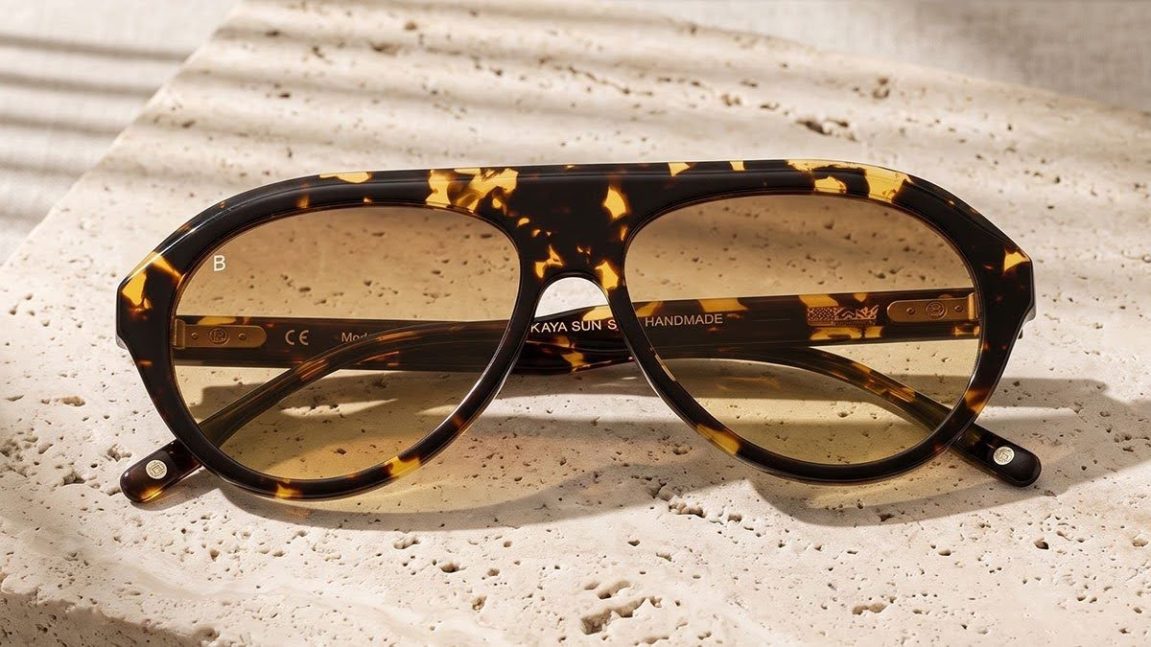
The example of BALI Eyewear
Among the labels exemplifying this trend, BALI Eyewear stands out as a textbook case. Founded in Paris, the brand draws on a dual inspiration: Parisian minimalism on the one hand, and a sun-drenched, tropical escape on the other. Its product range spans sunglasses, optical frames, and a children’s line, and it relies heavily on a network of independent opticians in France and abroad.
Like other players of its generation, the brand pays as much attention to its image as to its products, featuring a cohesive artistic direction—characterized by sand, terracotta, and black tones, along with a film-grain aesthetic—and an “accessible designer” positioning that sits between mass-market brands and traditional luxury.
Quality and price: a relationship that’s being re-evaluated
One question remains for many consumers: do you have to pay a high price for good protection? Tests conducted by the INC have shown that the quality of sunglass lenses is not linked to price.
As the DGCCRF points out, what matters is the CE mark and the filter category indicated on the frame. This works to the advantage of independent brands, allowing them to offer compliant, desirable products without the premium price tag associated with big-name brands.
A trend here to stay?
Everything points to this. The quest for uniqueness, a focus on design, and a return to in-store advice—the expectations driving these brands are not merely a passing trend.
The challenge for them will be to grow without losing what makes them appealing: a strong identity and close relationships with both their customers and the opticians who stock their products.















Follow us on Instagram