
The importance of swim shorts is often underestimated. Yet, this garment is a staple of your summer that goes far beyond just a few dips in the water: it accompanies you through water sports, sunbathing sessions, and seaside strolls.

Many men buy the first pair of swim shorts they come across, without really thinking about the consequences. The result? Unpleasant chafing, shorts that slip down at the slightest dive, or fabric that loses its shape after just three washes.
The criteria to consider go far beyond aesthetics. Above all, you are looking for comfort—both thermal and physical—true freedom of movement, and effective support. Not to mention the self-confidence that comes from a perfectly fitted garment. A well-chosen pair of shorts can last you for years, provided you opt for the right cut, suitable materials, and a style that transcends trends.
In this article, you will discover how to identify the cut that flatters your figure, which fabrics to prioritize for a balance of comfort and durability, how to select timeless colors and patterns, and—above all—how to extend the life of your shorts through proper care.
Find the cut that flatters your body shape
The art of choosing the right length
The length of swim shorts completely transforms the visual balance of your silhouette. Whether you choose a mid-thigh style, one that ends three-quarters of the way down the thigh, or one that stops just above the knee, each option creates a different look. Go too short, and you risk a disproportionate appearance depending on your body type; go too long, and you weigh down your look while restricting your movement in the water.
Most experts agree on one point: a length reaching mid-thigh—or sitting slightly above it—suits the majority of men. To see if a cut works for you, examine yourself from every angle, both front-on and in profile. The shorts should hit your leg at a strategic point that visually elongates the silhouette without creating an awkward break in the line. Forget fleeting trends; instead, tailor the length to your own proportions. This considered choice will remain stylish season after season.
Adjusting to size: a delicate balance
The fit at the waist determines your everyday comfort. It should be neither too tight—risking uncomfortable pressure on your stomach—nor too loose, to prevent the shorts from slipping down. The ideal combination? An elastic waistband paired with a drawstring. This dual-security feature allows you to adjust the fit based on your activities and slight changes in your physique.
How can you spot a poor fit? Look for unsightly creases at the waistband, fabric gaping at the sides, or chafing in the crotch area. Before buying, try a few simple movements: walk briskly and bend your legs slightly. A well-fitting pair of shorts stays in place naturally, without constricting you or hanging too loosely.
Materials and lining: the keys to lasting comfort
Quick-drying technical fabrics
Polyester, polyamide, technical blends… These synthetic fibers dominate the men’s swimwear market, and for good reason. Their main advantage? Quick drying—essential for avoiding that unpleasant, lingering chill and the irritation caused by fabric remaining damp against the skin.
Fabric density plays a crucial role in resistance to chlorine and saltwater. If the fabric is too thin, it becomes see-through when wet and wears out prematurely; if it is too thick, it dries slowly and restricts movement. When shopping, don’t hesitate to handle the fabric: touch it, assess its thickness, and test its flexibility. A good balance offers a pleasant texture, a reassuring sense of substance, and natural elasticity that moves with you.
The inner lining: that unsung hero
Full mesh liner, sewn-in brief, partial lining… Configurations vary, but the goal remains the same: to provide effective support while minimizing chafing in sensitive areas. A well-designed liner significantly improves the shorts’ overall fit and your total comfort.
Colors and patterns: how to avoid growing tired of them
Striking a balance between subtlety and character
Should you opt for solid-colored shorts or a patterned pair? This choice directly affects the versatility of your summer wardrobe. A solid-colored style pairs easily with any item and remains timeless. Patterned shorts, on the other hand, make a stronger statement about your personality but run the risk of losing their appeal more quickly.
Stylists generally recommend opting for balanced patterns rather than overly busy ones. Classic stripes, subtle geometric designs, or nature-inspired prints remain stylish over time. Ask yourself the right question: can you see yourself wearing these shorts in two or three years? Avoid impulse buys that will end up at the back of your closet. Colorful shorts pair perfectly with neutral basics—a white T-shirt or a lightweight linen shirt.
Match the colors to your skin tone
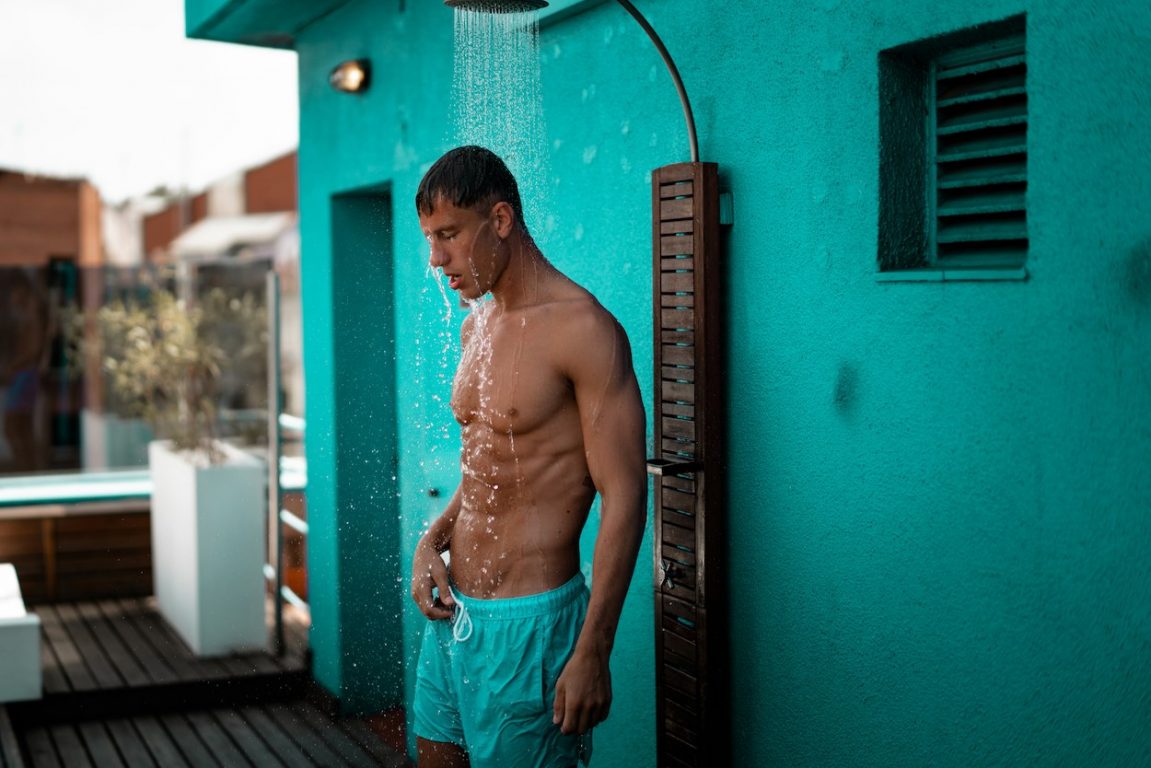
Certain very dark colors create stark contrasts against fair skin and can be unflattering. Muted or lighter tones—such as turquoise, brick red, petrol blue, or beige—naturally soften these contrasts and follow a wider range of skin tones.
Also consider the setting. A municipal pool, a family beach, and a seaside getaway don’t necessarily call for the same aesthetic choices. A practical tip: avoid very light colors if you frequent heavily chlorinated pools or if your shorts are regularly exposed to intense sunlight. These conditions accelerate fading, and your shorts will quickly lose their original vibrancy.
Spotting quality swim shorts
Tell-tale signs
A well-designed pair of swim shorts is distinguished by several telling details: a tailored yet non-restrictive fit, durable and quick-drying technical fabric, a comfortable and intelligently positioned lining, and meticulous finishing on the seams, drawstring, and any pockets.
These features are never the result of chance; they reflect careful consideration of how the garment is actually used. Reputable manufacturers pay close attention to these details, which explains the striking difference in durability and comfort compared to entry-level models.
Observe to choose better
To illustrate these quality criteria in concrete terms, certain models such as Vilebrequin swim shorts stand out thanks to a carefully considered cut and materials designed to withstand many summers. Such examples demonstrate how attention to technical details translates into superior comfort and remarkable durability.
Observing such examples sharpens your critical eye. You will learn to identify quality finishes, assess fabric density with a simple touch, and appreciate the ergonomics of a cut. These skills will serve you well in all your future purchases.
Caring for your shorts so they last for years
Essential daily habits
Proper care directly determines the longevity of your shorts. A few simple steps make all the difference: always rinse them in fresh water after swimming in the sea or a pool, wash them according to the label’s instructions, and avoid very hot water, which weakens the fibers.
Avoid using a tumble dryer as much as possible. Never leave your shorts damp and balled up in a bag for hours. Opt for air drying—ideally in the shade—to preserve color vibrancy. Proper care can extend the lifespan of your shorts by several years without them losing their original qualities.
Anticipate wear and tear to better prevent it
Repeated friction, grains of sand, harsh chlorine, sunscreen—all these factors accelerate fiber wear. To minimize these effects, avoid habitually sitting on abrasive surfaces like rough concrete or rocks. Always rinse your shorts after exposure to chlorine or sea salt.
Keep an eye out for signs of wear: elastic losing its stretch, fraying lining, or fabric becoming dangerously thin or starting to tear. These are signs that it is time to replace your shorts, even if you are particularly fond of them. Continuing to wear worn-out shorts compromises your comfort and can even cause skin irritation.
Key takeaways
Choosing the right swim shorts relies on several fundamentals: a fit perfectly tailored to your body type, high-performance technical fabrics, a comfortable lining, timeless colors and patterns, and proper, regular care. This thoughtful approach enhances your everyday comfort, boosts your confidence, and significantly extends the garment’s lifespan.
Before your next purchase, take the time to assess your actual needs. How often do you wear your swim shorts? In what settings—the sea, the pool, or for sports activities? What are your enduring aesthetic preferences? When trying them on, pay close attention to every detail: the cut, the fabric, the lining, and the finishing touches. An informed choice today ensures satisfaction and durability for many summers to come.


















Follow us on Instagram