Bringing together craftsmanship, cultural identity and economic empowerment, Atikuss champions a different vision of fashion.
Fashion also tells stories of land, memory and identity. On October 7, at the Hôtel Le Marois in Paris, Atikuss brought the story of Innu women artisans to the Parisian fashion scene. Founded by Josée Shushei Leblanc in Uashat mak Mani-Utenam, on Quebec’s North Shore, the fashion house has developed a distinctive universe in which ancestral techniques meet the codes of contemporary style.
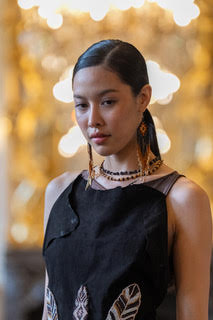
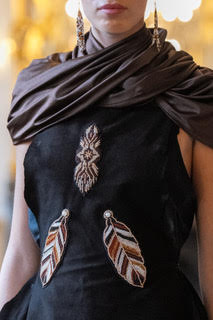
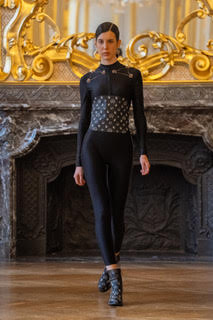
Leatherwork, beadwork, weaving, footwear and accessories come together in a creative language rooted in Indigenous culture without confining it to the past. The ambition goes beyond bringing traditional craftsmanship into fashion: it is about securing a lasting place for it within today’s creative economy.
The Boots of Hope: More Than a Fashion Statement
At the heart of Atikuss’s story are the Boots of Hope. The project grew out of a realization by Josée Shushei Leblanc: Indigenous women artisans were too often paid very little for their work. She turned this concern into the foundation of a business model designed to better recognize their skills and enable them to earn a living from their craft.
This approach changes how we perceive the finished product. A hand-beaded boot is more than a distinctive fashion piece; it reflects a body of knowledge, the time invested in its creation and the opportunity to pass these skills on to the next generation.
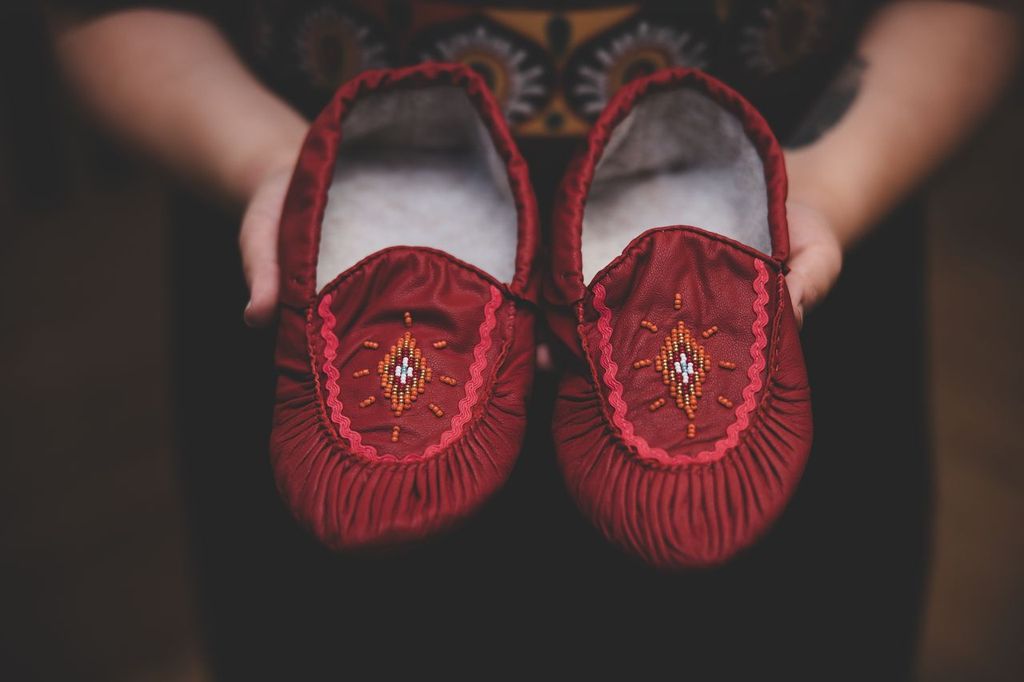
At Atikuss, natural materials, leatherwork and traditional beadwork are central to the brand’s identity. The fashion house also emphasizes material reuse, waste reduction and the benefits its activities bring to Indigenous communities.
A Creative Vision Driven by Women
Since 2015, more than 500 women from 11 Indigenous nations across Quebec have contributed to the project. This collective dimension is essential: Atikuss is shaped not only by its founder’s vision, but also by the hands and knowledge of the many artisans involved.
By creating economic opportunities for these women, Josée Shushei Leblanc champions an approach to entrepreneurship in which success is measured by the recognition of their work and the preservation of cultural heritage. Craftsmanship becomes a way to safeguard traditional techniques while giving them tangible value in today’s marketplace.
This vision also finds expression in Uashat, where the fashion house opened the ÉCONOMUSÉE® du Maskisin in 2023, dedicated to the moccasin. The space showcases the different stages of production and the knowledge associated with this iconic footwear.
From Quebec’s North Shore to Paris
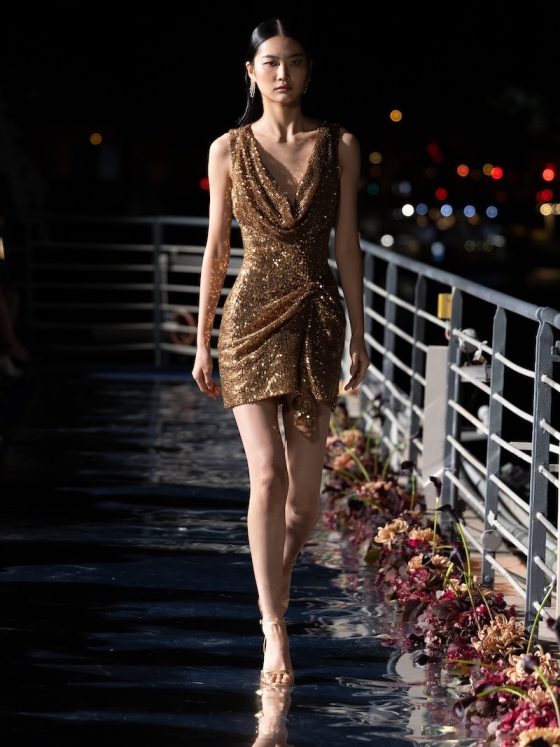
The Paris runway show brought together two worlds: a culture deeply rooted in its land and a capital that remains an international showcase for fashion and design. It gave Atikuss the opportunity to introduce its work to a new audience while bringing greater visibility to the artisans who contribute to its development.
The initiative also invites us to look beyond fashion trends. Who makes the pieces we wear? What value do we place on the time, skills and people behind a garment or accessory? And how can creativity become a vehicle for cultural transmission rather than simply an aesthetic exercise?
Through Atikuss, Josée Shushei Leblanc offers a response grounded in action: transforming Innu heritage into a creative and economic force, without separating the beauty of a piece from the story it carries.
In Paris on October 7, the collection presented was about far more than fashion. It brought a different way of thinking about the industry to the runway: one in which identity is not merely a decorative motif, but the very foundation of the project.







Follow us on Instagram