A symbol of character and assertiveness, the cuff has become an aesthetic statement piece, combining cultural heritage, radical elegance and contemporary freedom.
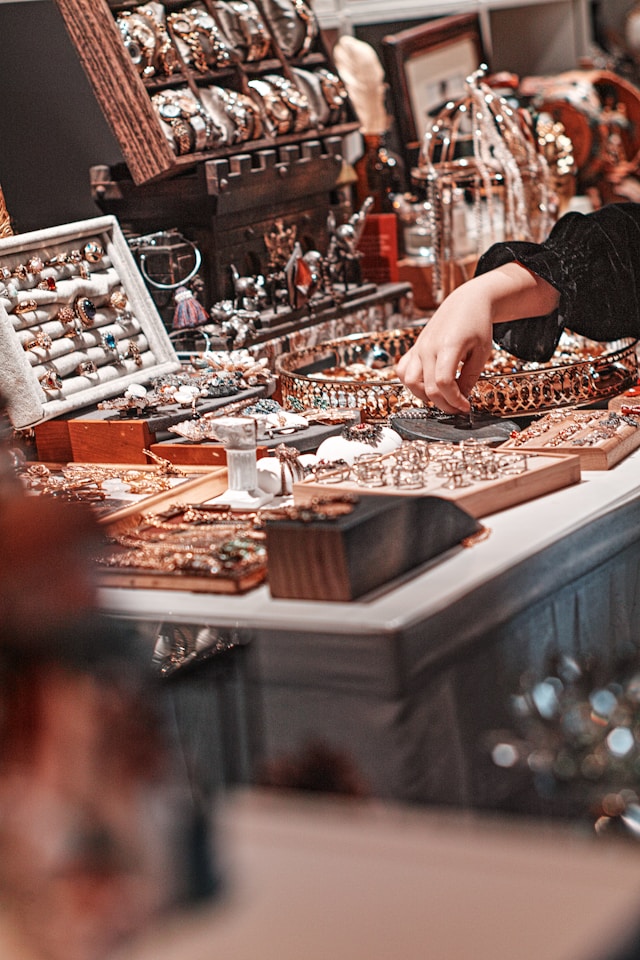
A piece of jewellery that is no longer just for decoration
Long confined to a decorative role, the cuff has gradually moved beyond being a simple accessory to take on a more symbolic significance. With its structured shape, confident presence and direct connection to the body, it attracts attention without seeking to seduce discreetly. It makes a statement. In an aesthetic landscape dominated by minimalism and neutrality, the cuff takes a different stance, one of affirmation.
Wearing a cuff is not about completing an outfit, it is about making a statement. The wrist becomes a space for expression, almost a visual anchor point, where intention, style and attitude are concentrated. This piece of jewellery does not seek to blend in with the whole, it dialogues with the body and imposes its presence.
Accessories as a cultural language
In contemporary cultures, accessories play an increasingly narrative role. They tell stories of journeys, choices and sometimes even resistance. Cuffs are very much part of this dynamic. Through their heritage, they evoke ancient adornments, symbolic armour and signs of social distinction. Today, they are breaking free from these constraints to become a personal language.
This shift reflects a broader evolution: that of a less normative, more introspective relationship with style. Jewellery is no longer chosen solely for what it represents socially, but for what it expresses intimately. The cuff becomes an extension of the body and identity, an object that accompanies a posture rather than a role.
Between elegance and radicalism
What sets cufflinks apart from other jewellery is their ability to maintain a balance. They navigate between classic elegance and contemporary radicalism. They can be precious without being fragile, chic without being submissive. This duality makes them particularly in tune with current aspirations, where style is built on nuance rather than excess or effacement.
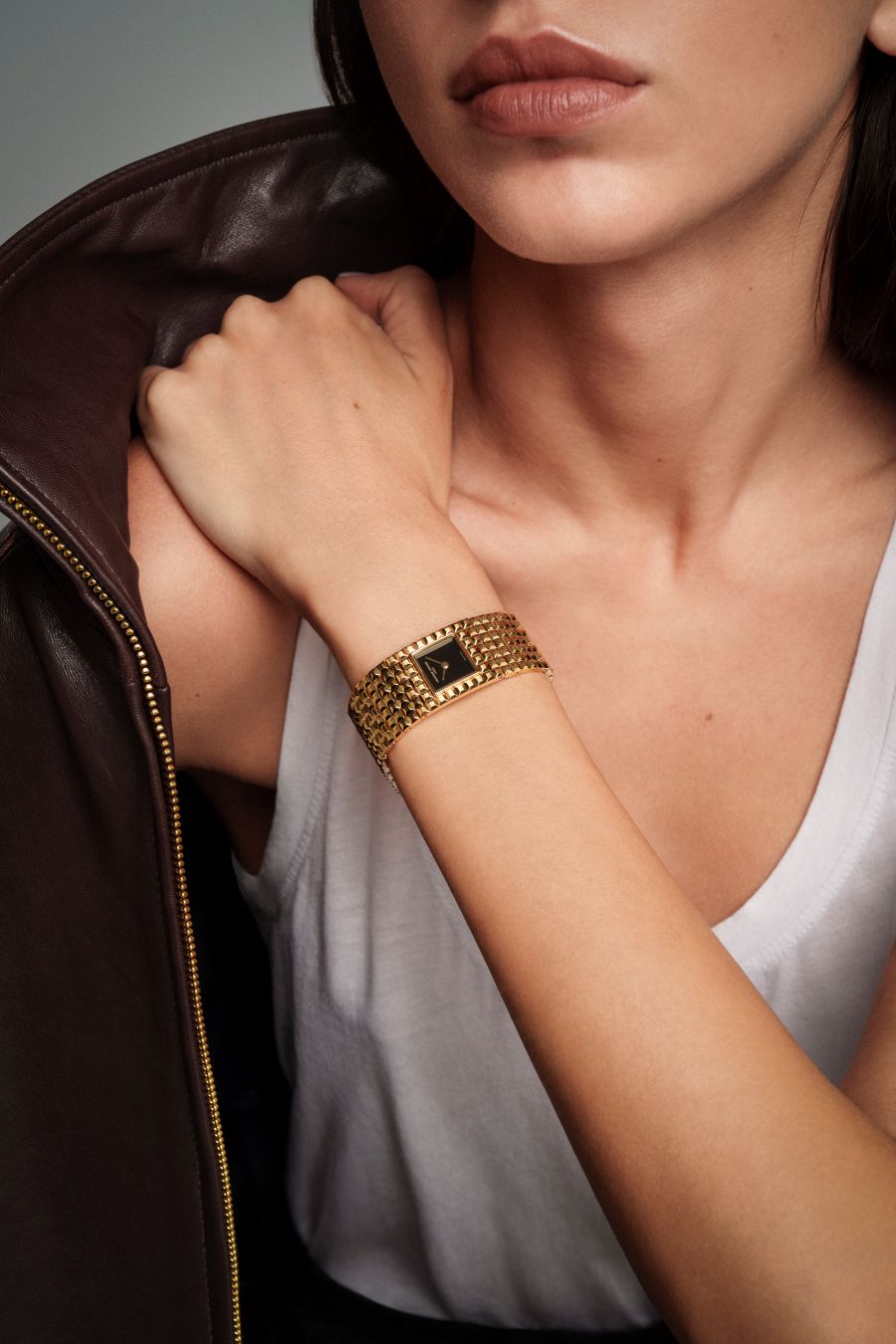
In this subtle balance, certain contemporary watchmakers and jewellers are reinterpreting the cuff as a hybrid object, somewhere between jewellery and a functional accessory. This is particularly true of Frédérique Constant, which, in one of its editions, combines gold with a black onyx dial, playing on contrast to offer a more assertive, almost rock-inspired take on the cuff, without compromising the elegance of its classic lines.
The wrist as a territory for expression
In a world saturated with images and discourse, style often becomes a means of expressing oneself without speaking. The cuff bracelet responds to this need for visual clarity. It requires no explanation. It is there, visible, unapologetic. It accompanies silhouettes that refuse total neutrality, without falling into provocation.
This return to accessories with a strong presence also reflects a weariness with overly smooth aesthetics. The cuff reintroduces texture, relief and a certain gravitas. It anchors style in something tangible, almost physical.
An aesthetic of freedom
Paradoxically, this structured piece of jewellery also conveys an idea of freedom. Freedom to break free from imposed codes of discretion, freedom to wear a bold piece without justification, freedom to compose one’s own aesthetic language. The cuff does not dictate anything, it accompanies.
It thus embodies a form of uncompromising elegance, where luxury no longer seeks to impress, but to express. From this perspective, the cuff becomes less an outward sign and more an intimate, visible, yet deeply personal statement.








Follow us on Instagram