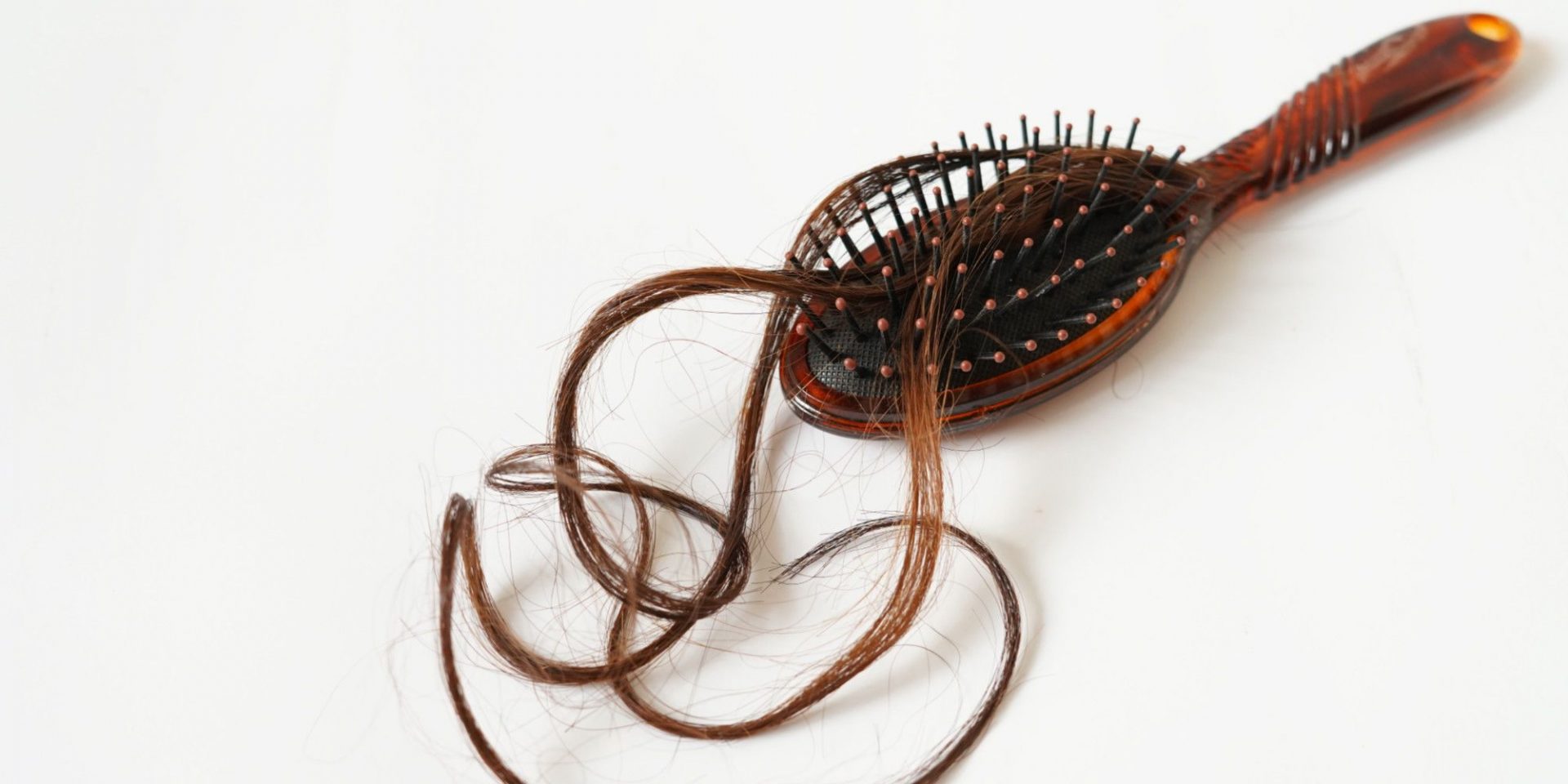
Hair loss affects many women, often at pivotal moments in their lives: after pregnancy, during breastfeeding, or during menopause. Faced with these hormonal changes, many wonder whether their hair is falling out due to a lack of vitamins or minerals. Here is what you need to know about this topic.
Hair loss and deficiencies: the often underestimated link
Although hair is a key aesthetic feature, it is not considered a priority by the body. When resources are scarce, the body prioritises vital organs, leaving hair fibres at the bottom of the list.
As a result, as soon as reserves of vitamins, minerals, amino acids or essential fatty acids decrease, the scalp slows down the production of new hair. Hair cycles become shorter, roots become more fragile and hair loss becomes more visible. This phenomenon is particularly true in women, whose hormonal balance already has a significant influence on hair density.

Pregnancy, postpartum, breastfeeding, menopause: periods of risk of deficiency
During pregnancy, the body redirects a large part of its nutrients to the baby for its development. The need for iron, B vitamins and omega-3s skyrockets, and even a balanced diet cannot always keep up.
The postpartum period is even more critical: intense fatigue, shortened nights, high mental load, sometimes skipped meals… Reserves are already low after childbirth, and breastfeeding continues to draw on what remains. Many women simply no longer have the appetite or energy to cook rich and varied meals. This combination leaves room for deficiencies and, consequently, hair loss.
Menopause is another key moment. Heavy periods in the years leading up to the end of menstruation can lead to iron deficiency, while hormonal changes disrupt hair growth. The drop in oestrogen also weakens the follicles and makes the hair fibre thinner and more brittle.
Key nutrients for healthier hair
Several nutrients play a major role in hair vitality. Iron, which is essential for transporting oxygen in the blood, directly supports the follicles, while zinc facilitates protein synthesis and tissue growth. They help reduce brittle hair and improve its density.
Vitamins B9 and B12 are involved in the formation of red blood cells and cell regeneration. A deficiency slows down growth and weakens the scalp. Anti-inflammatories such as omega-3 are also necessary, as they nourish the scalp and contribute to better hair fibre quality.
Hair supplements: when can they help?
When your diet becomes chaotic, fatigue takes over or you suspect you have a deficiency, the right supplement can be a valuable aid. These formulas provide precisely the vitamins, minerals and fatty acids your hair needs to regain its density. They help to quickly fill in any gaps, restart the hair cycle and strengthen the fibre from within.
Of course, supplements to combat hair loss are no substitute for a balanced diet, but they are a real help when the body is suffering from nutritional deficiencies. If in doubt, seek medical advice.












Follow us on Instagram