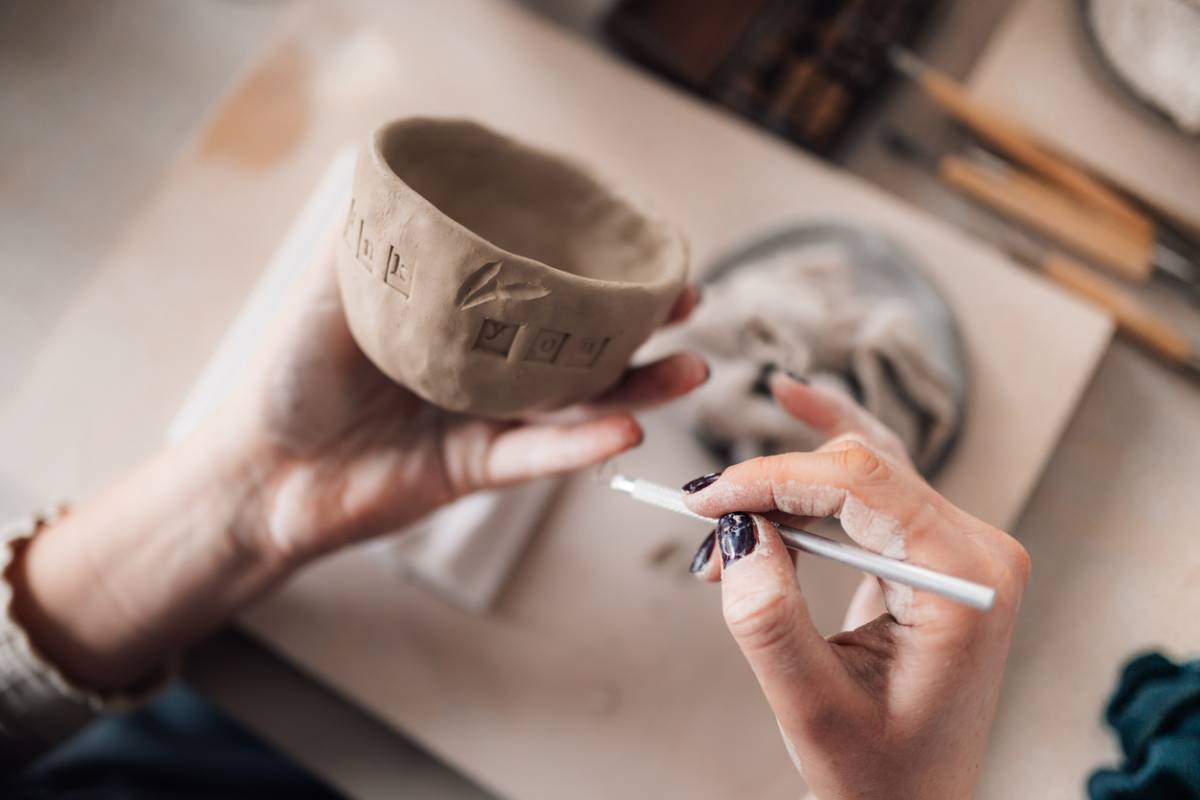
Today, the internet saturates our daily lives, and we feel the need to return to tangible activities. Pottery, an ancient art form, is now finding its way into our living rooms as a form of therapy through movement. Modeling clay calms the mind, slows down our inner rhythm, and reconnects us with our bodies. Each piece we create becomes a space of silence, grounding, and authentic creativity, far from screens and constant distractions.
What elements make up a high-quality clay pottery kit?
To get started in this art without turning your kitchen into a construction site, choosing the right materials is crucial. A complete kit should be designed for total autonomy. It usually includes a block of high-quality clay, but above all the essential shaping tools such as sculpting tools, digging tools, and a sponge for smoothing surfaces.
For beginners, it’s best to opt for ready-to-use solutions. If you want to take the plunge and turn your home into an artist’s studio, you can order a clay pottery kit from specialist websites. A good kit also includes acrylic paints and a protective varnish, allowing you to give your pieces (vases, trinket dishes, or sculptures) a professional finish once they are dry.
How does clay sculpting transform your moments of tension into creativity?
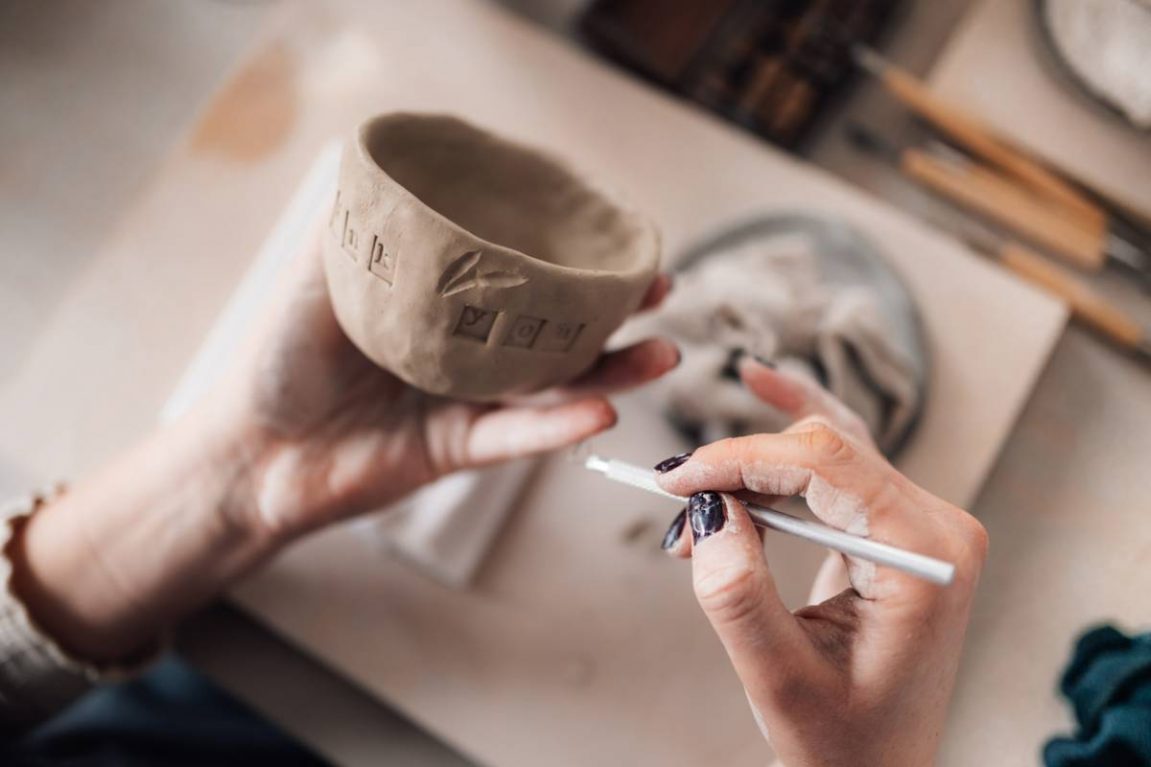
Science is unanimous: touching natural materials such as clay reduces levels of cortisol, the stress hormone. This is known as “mindfulness through touch.” When you knead clay, your attention shifts from your mental preoccupations to your tactile sensations.
Sculpting requires patience and precision. The goal is not perfection, but the expression of a feeling. Each press of the finger on the material becomes an outlet. At the end of the session, the satisfaction of having created a unique object with your own hands boosts self-esteem, acting as a soothing balm after a long day at work.
Getting started without a kiln: master self-hardening clay in three steps
For a long time, pottery was considered inaccessible because it required firing at very high temperatures. Self-hardening clay has changed all that. Here’s how to make your first creations at home:
- Shaping: work on a clean surface. Knead the clay to remove any air bubbles. Use a little water to join the pieces together (the slip technique) or to smooth out cracks.
- Natural drying: this is the key step. Leave your work in the open air, away from direct heat sources (to avoid cracks), for 24 to 48 hours. The clay will harden and lighten naturally.
- Decoration: once the piece is completely dry and solid, you can sand it lightly for a flawless finish. Then apply your colors and finish with a coat of varnish to waterproof the object and give it its final shine.
Long confined to artisan workshops, pottery is now accessible to everyone. It has become a real tool for refocusing for those who wish to nurture their inner balance through simple, conscious, and deeply soothing rituals.

















Follow us on Instagram